Cooper pledges £140m for urgent care as NHS braces for harder winter
Health Secretary Yvette Cooper has announced an extra £140m for urgent care in England, warning the NHS faces a more challenging winter than usual and saying preparations began in July.
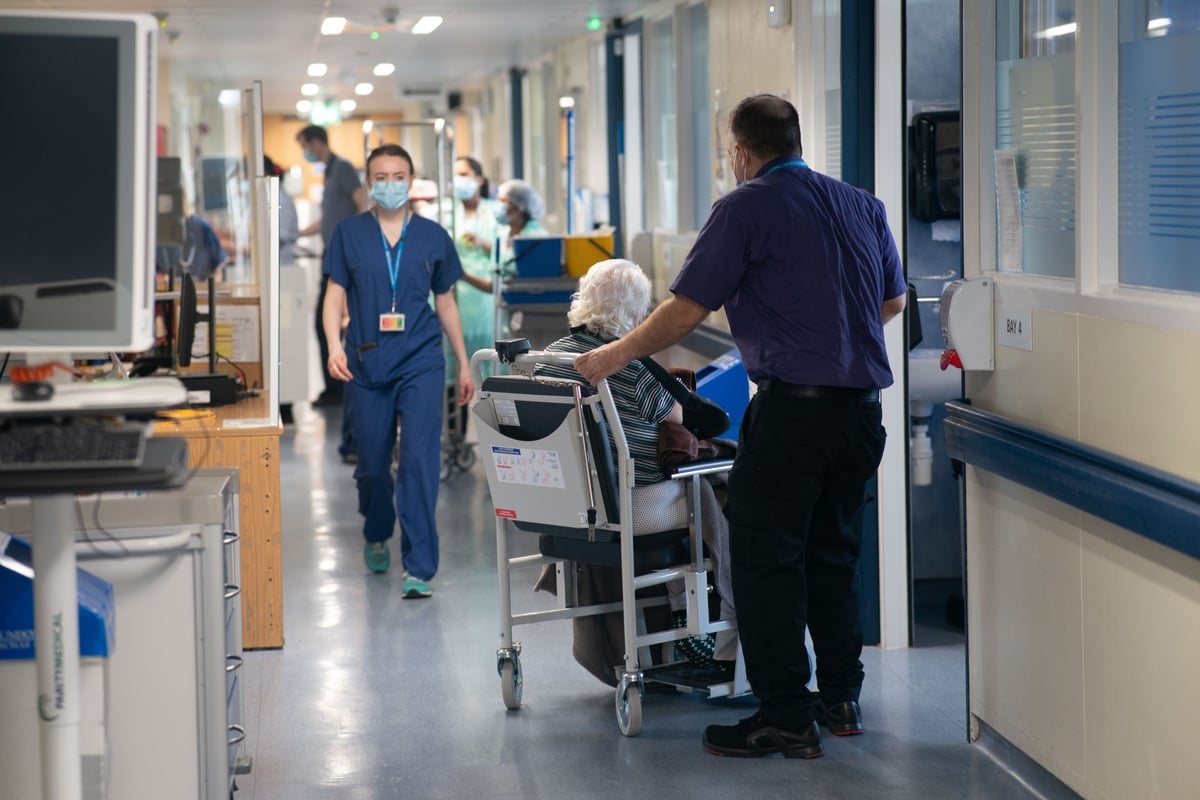
The NHS in England is facing a more difficult winter than normal, the health secretary has warned, as she announced an additional £140m for urgent care. Yvette Cooper said the funding would be used to increase capacity, including investment in ambulances and accident and emergency upgrades, and that the government had been preparing early for seasonal pressures.
Cooper said planning for the winter period had been under way since July, with the government investing in extra urgent care capacity to help the health service cope with the impact of seasonal illnesses. The money is intended to ease pressure on frontline services as demand rises over the colder months.
The warning comes after a summer in which accident and emergency departments recorded their busiest period on record. Almost 7.3 million people attended A&E between June and August, the highest figure for a summer period, according to figures cited in coverage of the announcement. That summer demand has added to concerns about how the service will manage when winter viruses and cold weather increase pressure further.
The health secretary framed the additional funding as part of an early and deliberate approach to winter planning, rather than a reactive measure. She said the government had been preparing since the summer and that the investment was aimed at building extra capacity in urgent and emergency care.
The announcement places urgent care capacity at the centre of the government's winter preparations. Ambulance services and A&E departments are typically the most visible pressure points when demand surges, and the funding is intended to support those areas directly.
Cooper's warning that this winter will be more challenging than normal signals that ministers expect sustained pressure on the health service in the months ahead. The additional £140m is intended to help the NHS absorb that pressure by expanding urgent care capacity and supporting preparations that began earlier in the year.
8