Home insulation and heat pumps 'would cut UK living costs more than new oilfields'
A study by the thinktank E3G suggests the government's £15bn warm homes plan would cut household energy bills by £1bn a year and create about 50,000 jobs, far more than the roughly 1,100 jobs linked to the Rosebank oilfield, as ministers consider budget savings.
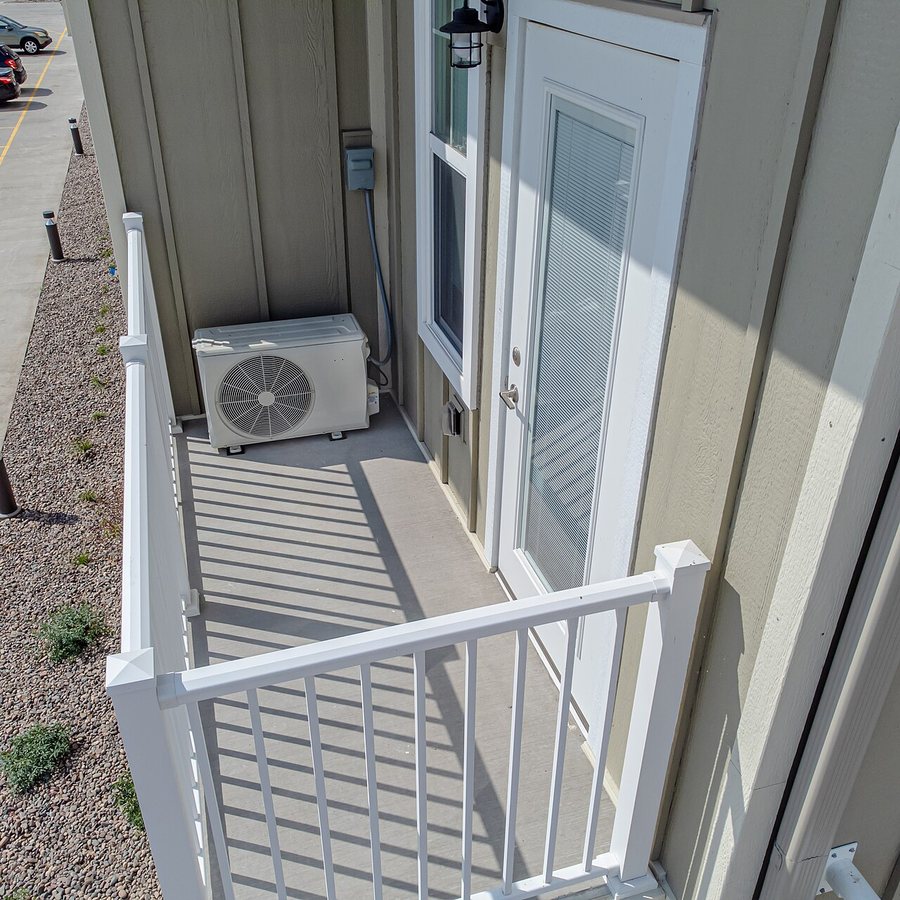
Insulating Britain's homes and investing in heat pumps would reduce the cost of living, create jobs and strengthen the economy more effectively than drilling for new oil, according to research by the thinktank E3G. The analysis suggests the government's £15bn warm homes plan would cut £1bn a year from household energy bills across the UK, with the savings concentrated among low-income households.
The study also estimates that the programme would provide a £1.6bn yearly boost to the economy and support about 50,000 new jobs spread across thousands of small businesses. By contrast, the Rosebank oilfield is associated with roughly 1,100 jobs, according to the findings, underlining the difference in employment scale between the two approaches.
The research comes as the warm homes plan is under threat of cuts while ministers seek budget savings. The comparison places the retrofit programme in direct competition with new fossil fuel extraction for government attention and funding at a time when household energy costs remain a pressing political and economic issue.
E3G's findings frame home upgrades as an economic measure as much as an environmental one. Reducing energy demand through insulation and heat pumps lowers the amount households must spend on heating, leaving more money in circulation and easing pressure on those on the lowest incomes. The estimated £1bn annual reduction in bills is presented as a direct benefit to living standards.
The employment figures form the second pillar of the case. The warm homes plan would distribute work across thousands of small businesses, according to the research, suggesting a broad geographic spread of jobs rather than concentration in a single industrial project. The Rosebank comparison is used to show that the labour-intensive nature of retrofit work could deliver a larger employment return than new oil extraction.
The £1.6bn yearly boost to the economy adds a macroeconomic dimension. The argument is that spending on insulation and heat pumps generates activity within the UK, whereas investment in new oilfields may offer a narrower set of jobs and benefits. For a government balancing budget pressures against growth and living costs, the study offers a rationale for protecting the warm homes plan rather than trimming it.
The political context is significant. The warm homes plan has been presented as a central element of efforts to improve housing quality and reduce energy waste, but its £15bn price tag makes it a target as ministers look for savings. The E3G research appears designed to shift that calculation by quantifying the returns from the programme in terms of bills, jobs and economic output.
The study does not provide a full cost-benefit comparison of the two options, and the figures are estimates from a thinktank rather than official projections. Nonetheless, the contrast it draws between roughly 50,000 jobs linked to warm homes and about 1,100 associated with Rosebank is likely to feature in the debate over whether the government should prioritise retrofit spending or new oil development.
For households, the immediate stake is the cost of heating. A £1bn annual reduction in energy bills, focused on low-income homes, would represent a material change for those spending a large share of their income on fuel. For businesses, particularly small installers and construction firms, the plan could mean a sustained pipeline of work. The decision ministers make on the warm homes budget will therefore carry consequences for living costs, employment and the wider economy.
6