Traders Place £7bn Bet Against the Pound Ahead of Healey's First Budget
Currency traders have taken a £7bn short position against sterling before Chancellor John Healey's first Autumn Budget, in what one market observer describes as a vote of no confidence in the government's fiscal plans.
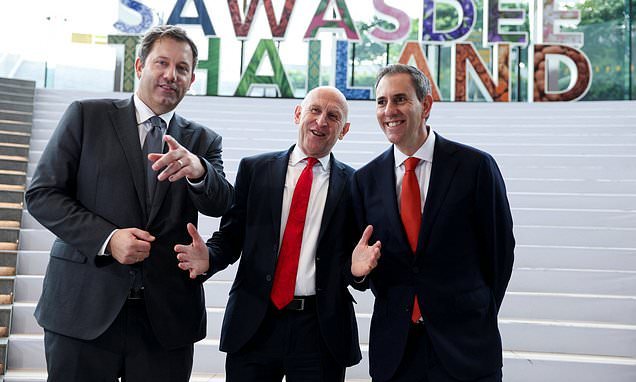
Currency traders have built a £7bn bet against the pound in the run-up to Chancellor John Healey's first Autumn Budget, in a move described as a «vote of no confidence» in the government's fiscal direction. The scale of the short position suggests that a significant section of the market expects sterling to weaken once the Budget measures are set out later this month.
The wager is one of the largest single bearish positions taken against the currency in recent memory, and it lands at a delicate moment for the UK's public finances. Healey is preparing to deliver his first Autumn Budget, with pensions, Inheritance Tax and fuel duty all expected to feature in the announcements. The Chancellor has also signalled that he intends to avoid what has been characterised as a Budget disaster, amid speculation that the government has concluded taxpayers are already carrying a heavy enough burden.
For the currency market, the concern is less about any single tax measure than about the overall credibility of the fiscal framework. A short position of this size implies that traders are positioning for a fall in sterling, either because they expect borrowing to rise faster than the government has indicated, or because they doubt that the growth assumptions underpinning the Budget will hold. When investors take a view against a currency ahead of a fiscal event, they are effectively pricing in the risk that the plans will be received poorly by bond markets and foreign investors.
The timing is significant. A Budget is one of the few moments when a chancellor can reset market expectations, and the run-up is typically a period of heightened volatility for sterling. The fact that traders have chosen to stake £7bn on a decline rather than wait for the details indicates that the position is a deliberate judgment on the government's approach, not simply a hedge against routine uncertainty. Market participants will be watching the Office for Budget Responsibility's forecasts closely, since the credibility of the fiscal numbers often matters more to currency traders than the political packaging around them.
The broader economic backdrop adds to the pressure. The UK has spent much of the past two years navigating weak growth, persistent inflation in services, and a public finances picture that leaves little room for error. Any Budget that is seen to loosen fiscal discipline, or that relies on optimistic assumptions about productivity and growth, risks provoking exactly the kind of market reaction the short sellers are betting on. Conversely, a Budget that reassures investors could force those same traders to close their positions quickly, producing a sharp rebound in the pound.
For households and businesses, the currency bet matters beyond the trading floor. A weaker pound raises the cost of imports, including energy and food, and can feed through into inflation at a time when the government is trying to ease the cost of living. It also affects the cost of government borrowing, since foreign investors demand a premium when they perceive fiscal risk. The Chancellor therefore faces a narrow path: he must raise revenue or restrain spending enough to satisfy markets, while avoiding measures that deepen the squeeze on households already facing high taxes.
The £7bn position will not by itself determine the pound's direction, but it is a clear signal of how the market is leaning. If the Budget is received calmly, the trade could unwind rapidly; if it is not, the bet may look prescient. Either way, the scale of the wager underlines that Healey's first Budget is being treated by financial markets as a test of the government's economic credibility, not merely a routine fiscal statement.
7