IMF Urges Chancellor to Cut Benefits Rather Than Tax Banks
The International Monetary Fund has advised the Chancellor to reduce welfare spending instead of imposing a levy on banks, arguing that benefit cuts would be more effective for fiscal consolidation.
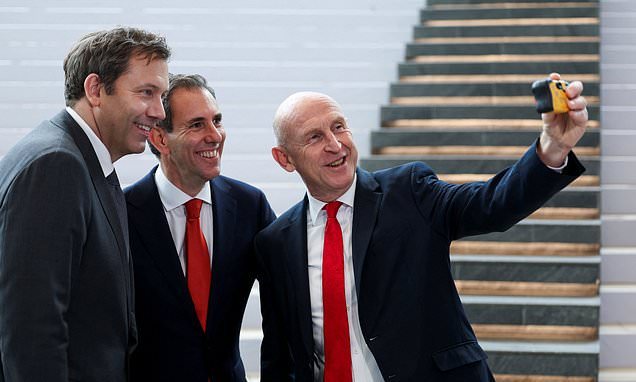
The International Monetary Fund has urged the Chancellor to cut benefits rather than impose a tax on banks, in a significant intervention ahead of the upcoming Budget. The IMF's recommendation, which challenges the government's apparent preference for a bank levy, argues that reducing welfare spending would be a more effective way to restore the public finances.
The Fund's advice comes as the Treasury seeks ways to fill a fiscal gap without raising taxes on working people. A bank tax has been floated as a politically attractive option, but the IMF warns that such a move could backfire by weakening the banking sector and reducing its contribution to the economy over the longer term. Instead, the IMF suggests that savings should be found in the welfare budget, where it argues there is scope for efficiency savings without harming the most vulnerable.
According to the IMF, the UK's fiscal position remains challenging, with high debt levels and persistent deficits. It notes that while the banking sector has recovered from the financial crisis, additional taxes could constrain lending and investment. The Fund's analysis points out that benefit spending has risen sharply in recent years, partly due to an ageing population and increased health-related claims. It argues that targeted reforms could generate substantial savings while protecting those genuinely in need.
The Chancellor is said to be considering a range of options, including a windfall tax on bank profits, which has been proposed by some within the governing party. However, the IMF's intervention may complicate those plans. The Fund's recommendation aligns with its long-standing position that fiscal consolidation should focus on spending restraint rather than revenue-raising measures that could distort economic activity.
Critics of the IMF's advice argue that cutting benefits would push more households into poverty at a time when the cost of living remains high. They contend that banks, which have benefited from higher interest rates, should contribute more to the public purse. The debate highlights the difficult trade-offs facing the government as it seeks to balance fiscal responsibility with social protection.
The IMF's report also notes that the UK's tax burden is already at its highest level in decades, suggesting that further tax increases could harm growth. It recommends that the government prioritise measures that boost productivity and investment, such as streamlining the planning system and improving skills training. These structural reforms, the Fund argues, would do more to improve the fiscal outlook than short-term tax measures.
The Chancellor has not yet responded publicly to the IMF's recommendation. The Treasury is expected to finalise its Budget plans in the coming weeks, with the bank tax still under consideration. The IMF's intervention adds to the pressure on the government to explain how it will achieve its fiscal targets without undermining economic growth or social cohesion.
In recent months, the banking sector has warned that additional taxes could make the UK less attractive as a financial centre. Industry groups have argued that banks already pay significant amounts in corporation tax and a separate bank levy. They caution that further charges could lead to reduced lending to businesses and households, ultimately harming the wider economy.
The IMF's advice is likely to be welcomed by fiscal conservatives who favour smaller government and lower taxes. However, it will be criticised by opposition parties and anti-poverty campaigners who argue that benefit cuts would disproportionately affect the poorest. The coming Budget will reveal whether the Chancellor heeds the IMF's advice or opts for a bank tax instead.
3