Pressure Mounts on UK National Security Adviser Over Wife's Palestine Action Support
Jonathan Powell faces calls to distance himself from his wife Sarah Helm's social media post backing Sally Rooney's support for the banned group Palestine Action, raising questions about security vetting and political accountability.
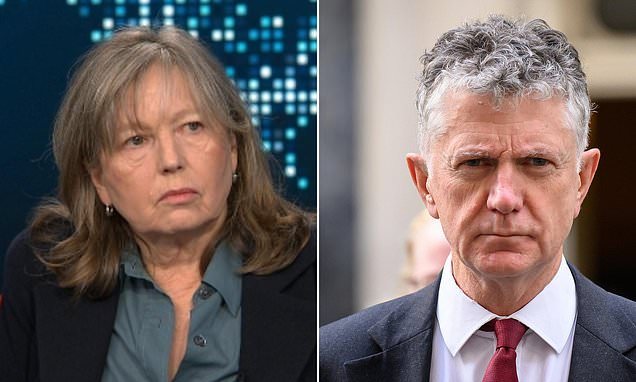
Jonathan Powell, the UK's national security adviser, is under mounting pressure to publicly distance himself from a social media post by his wife, the award-winning author Sarah Helm, in which she expressed support for the banned organisation Palestine Action. The controversy has triggered outrage across the political spectrum and raised fresh questions about the vetting and accountability of those closest to the heart of government security apparatus.
Helm, a critically acclaimed writer and journalist, wrote on the social media platform X: «God help us authors who support Palestine and Palestine Action.» The comment was made in defence of the Irish novelist Sally Rooney, who revealed she had been forced to withdraw her books from shelves in the UK after pledging proceeds from their sales to Palestine Action. Rooney's decision to redirect royalties to the proscribed group prompted a backlash from retailers and has now drawn Powell's household into the centre of a politically charged dispute over free expression, security, and the boundaries of acceptable protest.
Palestine Action is a direct action group that has been banned under UK terrorism legislation, making membership or support a criminal offence. The organisation has been associated with a campaign of disruptive protests targeting arms manufacturers and government contractors. Its proscription means that any expression of support — whether financial, verbal, or symbolic — can be treated as a serious matter by authorities. Helm's public endorsement therefore carries significant legal and political weight, particularly given her husband's role as the UK's most senior security adviser, a position that involves coordinating intelligence and counter-terrorism policy across government.
The timing of the controversy is particularly sensitive. Powell, a former chief of staff to Tony Blair and a veteran of the Northern Ireland peace process, was appointed to the national security adviser role to bring strategic direction to the UK's security architecture. His wife's comments have prompted opposition figures and commentators to demand that he clarify his own position on Palestine Action and explain whether he was aware of her views before they became public. Critics argue that the episode undermines public confidence in the impartiality of the national security apparatus at a time when the UK faces a range of domestic and international threats.
Supporters of Helm and Rooney, however, have framed the backlash as an attack on artistic freedom and legitimate political expression. They point out that support for Palestinian rights is not in itself unlawful and that the proscription of Palestine Action remains contested by civil liberties groups. The debate has become a proxy for wider tensions over how the UK balances counter-terrorism powers with freedom of speech, and how the personal lives of public officials intersect with their professional responsibilities.
Downing Street has so far declined to comment directly on Helm's post, describing it as a personal matter. But the refusal to engage has done little to quiet the row. Senior MPs from across the parties have called on Powell to make a statement, with some suggesting that the episode raises questions about the adequacy of security vetting for the families of those in sensitive roles. Others have warned against conflating the views of a spouse with the official duties of a government adviser, arguing that such an approach risks setting a precedent that could deter talented individuals from entering public service.
For now, the focus remains on whether Powell will address the controversy head-on. His silence has allowed speculation to grow, and the story shows no sign of fading from the headlines. The episode has also reignited a broader conversation about the reach of UK terrorism legislation and the consequences for writers, artists, and public figures who engage with contentious political causes. As the pressure builds, the national security adviser faces a delicate choice: to distance himself from his wife's remarks and risk appearing to undermine her, or to stay silent and allow the controversy to overshadow his work at the centre of government.
4