IMF Meeting in Bangkok Faces Global Economic Strain Amid Wars and Trade Tensions
Finance ministers and central bank governors gather in Bangkok for the IMF annual meeting as the global economy weathers wars, an energy shock, rising inflation, and US-China trade tensions without a full-blown crisis.
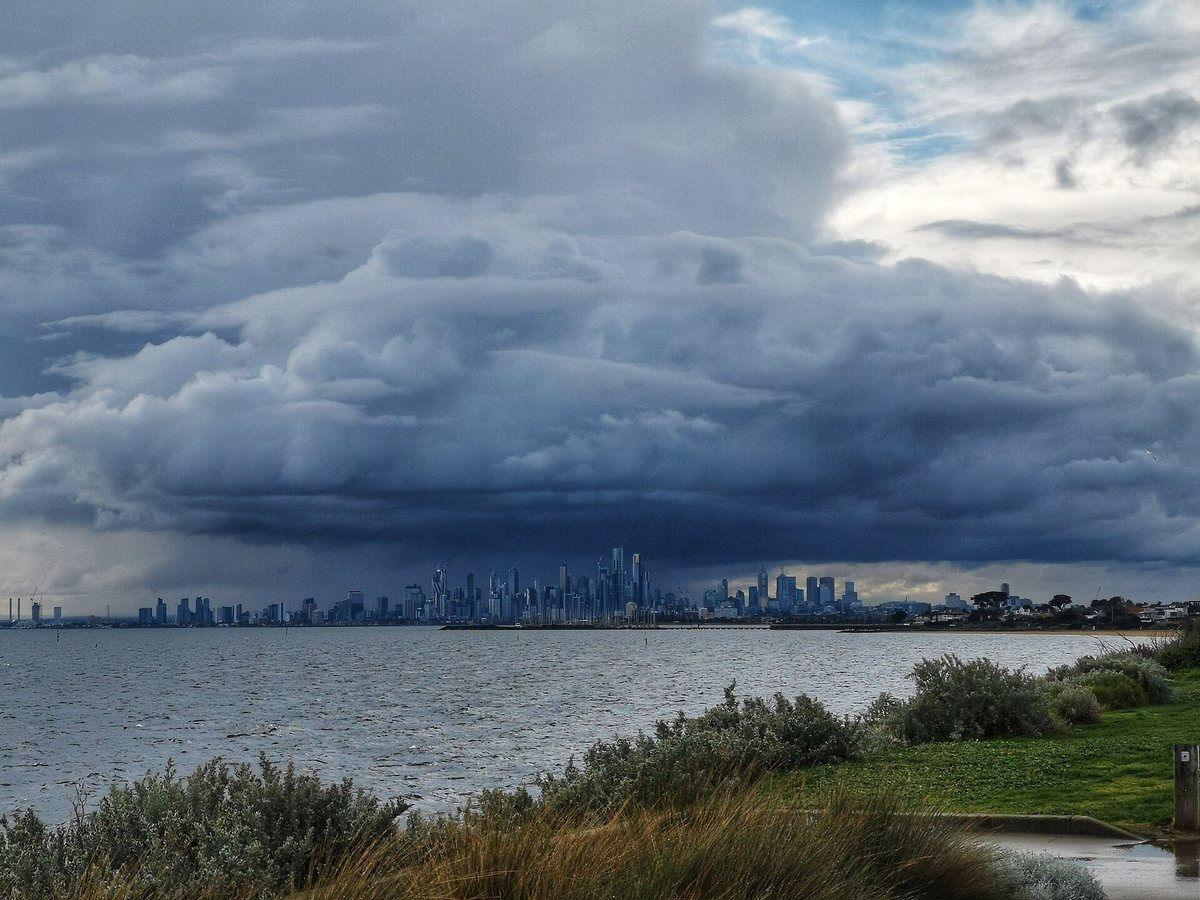
Finance ministers and central bank governors are convening in Bangkok for the annual meeting of the International Monetary Fund against a backdrop of severe global economic strain, yet the gathering is notably free of the emergency atmosphere that defined past crises. Two major regional wars are destabilising prices and supply chains worldwide, an energy shock is squeezing businesses and consumers, inflation is driving up government borrowing costs, and the United States and China remain locked in a trade dispute. Despite these pressures, the impact on the global economy has so far been modest, a outcome that analysts describe as something of a miracle.
The meeting is not comparable to the autumn of 2008, when finance officials assembled during the worst of the global banking meltdown. This time, the crisis is diffuse rather than acute, but the underlying vulnerabilities are no less serious. The wars have disrupted commodity markets and shipping routes, feeding through to higher costs for energy, food, and manufactured goods. Consumers in advanced and emerging economies alike are feeling the pinch, while businesses face uncertainty over input prices and demand.
Rising inflation has compounded the problem by making it more expensive for governments to service their debts. As central banks have raised interest rates to contain price growth, borrowing costs have climbed, squeezing fiscal space for countries already burdened by high levels of public debt. The combination of war-driven supply shocks and tighter monetary conditions has created a difficult environment for policymakers, who must balance the need to support growth against the risk of entrenching inflation.
Trade tensions between China and the United States add another layer of risk. The two economic giants remain at loggerheads over tariffs, technology restrictions, and market access, with knock-on effects for global supply chains and investment decisions. Multilateral cooperation is widely seen as essential to addressing these overlapping crises, but the prospects for meaningful coordination appear slim. Finance ministers arriving in Bangkok are aware of the need for collective action, yet the political will to deliver it is in short supply.
The IMF meeting thus takes place in a climate of managed strain rather than outright panic. The global economy is muddling through, but the absence of a full-blown crisis should not be mistaken for stability. The combination of geopolitical conflict, energy market fragility, inflationary pressure, and trade fragmentation leaves little room for error. Should any of these factors worsen, the current resilience could quickly erode, and the finance ministers gathered in Bangkok may find themselves confronting the storm they have so far avoided.
8