RNLI volunteers' children bullied at school over Channel migrant rescues
Children of RNLI lifeboat volunteers are facing bullying at school because their parents take part in migrant rescue operations in the English Channel, according to reports. The issue highlights growing social tensions around migration and the pressure on frontline volunteers.
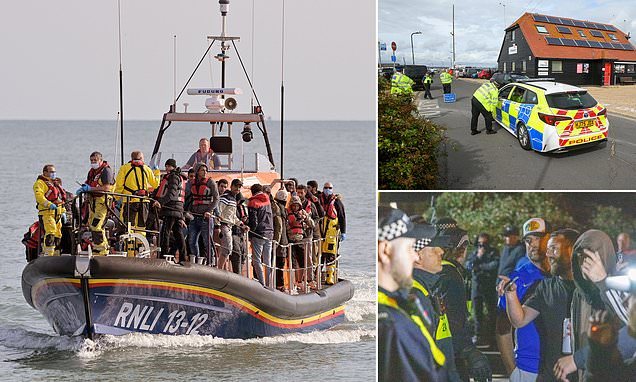
Children of Royal National Lifeboat Institution volunteers are being bullied at school because their parents rescue migrants attempting to cross the English Channel, according to reports. The abuse directed at the children of lifeboat crews has emerged as a significant social consequence of the polarised debate around small boat arrivals on the south coast of England.
The RNLI, which operates lifeboats around the British and Irish coasts, has been drawn into the political controversy over migration in recent years. Its volunteers are obliged under maritime law and longstanding tradition to assist anyone in distress at sea, regardless of nationality or legal status. That duty has placed crews in the middle of a wider national argument about border control and asylum policy.
According to the reports, the bullying has affected children whose parents serve on lifeboats involved in responding to small boats in the Channel. The abuse is said to take place at schools, with pupils facing taunts and hostility linked to their parents' role in rescue operations. The details point to a spillover of political anger into the daily lives of families who have no direct involvement in policy decisions.
The RNLI has previously faced criticism from some quarters for its role in rescuing migrants, with accusations that its lifesaving work amounts to facilitating illegal crossings. The charity has consistently rejected that characterisation, stating that its volunteers respond to people in danger at sea and that saving lives is not a political act. The organisation has also received a surge in donations at various points when it became the focus of public debate.
The reported bullying of children adds a new dimension to the pressures facing volunteer crews. Lifeboat volunteers are ordinary members of coastal communities who give up their time to respond to emergencies. Their families may now be bearing a social cost for decisions taken far from their control, including the operational choices of the RNLI and the wider immigration policies of the UK government.
The English Channel remains one of the busiest shipping lanes in the world and a dangerous route for people attempting to reach the UK in small, often unseaworthy vessels. Rescue operations are frequently launched when boats get into difficulty, and the RNLI is often among the first responders. The humanitarian and legal obligations of mariners to assist those in distress are long established in international law.
The social tensions described in the reports reflect a broader pattern in which national political disputes over migration are felt at community level. Schools, workplaces and neighbourhoods in coastal areas have become settings where the wider argument plays out, sometimes with consequences for children who are not part of the debate. The bullying of volunteers' children is one example of how political narratives can translate into personal hostility.
The RNLI has not commented specifically on the reported bullying in the source material. The charity's public position has been to emphasise the apolitical nature of its rescue work and the commitment of its volunteers to saving lives at sea. It has also highlighted the mental health and wellbeing support available to crews who deal with traumatic incidents, including rescues involving vulnerable people.
The issue raises questions about how public institutions and schools handle political tensions that enter the classroom. For families of volunteers, the expectation that they should not be targeted for their parents' lifesaving role is straightforward. Yet the reports suggest that in some cases, children are being held responsible for a national controversy they have no part in shaping.
The wider context is a migration debate that has intensified over several years, with successive governments promising to reduce small boat crossings. The RNLI's role has become a lightning rod for those who disagree with current rescue practices, even though the charity operates within legal and humanitarian frameworks. The human cost of that controversy is now being measured in the experiences of volunteers' children.
7