Microplastics May Generate Harmful Molecules on Contact With Blood
New research suggests microplastics can spontaneously produce reactive oxygen species when they meet water and blood, potentially explaining links to cell damage and cardiovascular disease. Scientists caution the health impact remains unclear.
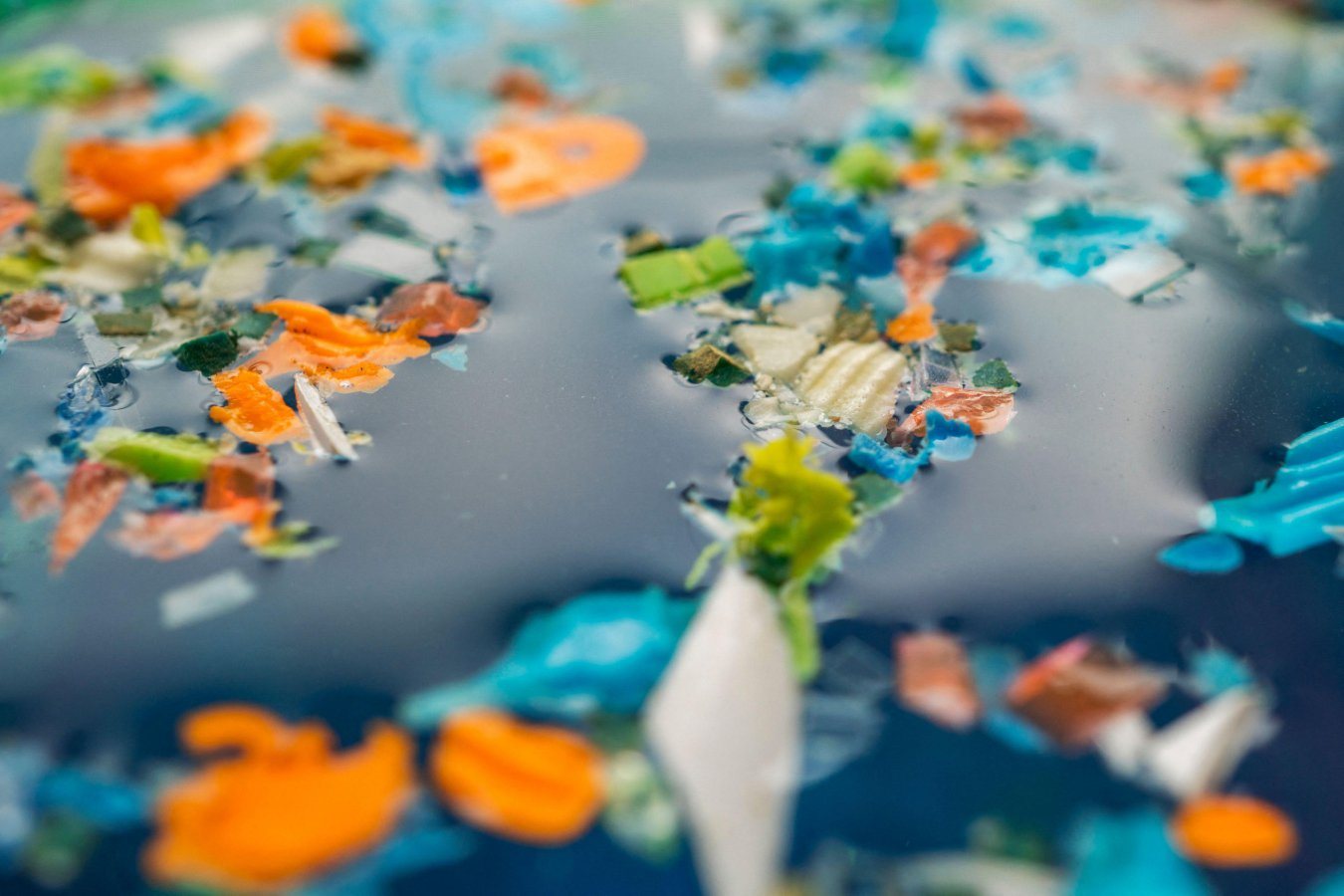
Microplastics may generate potentially harmful molecules when they come into contact with blood, according to new research that could help explain why the tiny plastic particles have been linked to cell damage and cardiovascular problems. The study, published in Nature, found that reactive oxygen species form spontaneously at the boundary between plastic and water, a reaction driven by the large surface area of microparticles.
Reactive oxygen species are destructive molecules that can react with components inside cells, contributing to inflammation and other health issues. Several recent studies have associated microplastics — which form when plastics degrade in the environment — with poor cognition and cardiovascular disease. Until now, however, it was unclear how common plastics, which do not always contain oxygen and are often considered chemically inert, could trigger such effects.
Wei Min at Columbia University in New York and his colleagues studied microparticles of widely used plastics including polystyrene, polyethylene and polypropylene. Using fluorescence microscopy and electron spin resonance spectroscopy, they showed that hydroxyl radicals, a type of reactive oxygen species, form spontaneously at the plastic-water interface. Min said water is «a key player» in the process, describing the water at that boundary as «not regular water anymore».
The team linked the effect to electric charges that develop at the plastic-water interface. These charges may strip electrons from hydroxide ions in water, generating volatile hydroxyl radicals. In experiments, the electric charge attracted biological molecules such as DNA to the surface of microplastics suspended in water, and this appeared to damage both proteins and red blood cells.
When the researchers suspended microparticles in blood serum, hydroxyl radicals were still generated, though the effect was weaker than in pure water. Min said the signal remained «still detectable». Microplastics have previously been detected in blood, although some signals of their presence in the body may result from contamination or false positives.
If microplastics do enter the bloodstream, laboratory studies have linked them to cellular inflammation, DNA damage and cell death — all of which can be caused by reactive oxygen species. The new findings could help explain how those molecules are produced, Min said, though he cautioned that the size of the potential effect is unclear and other mechanisms may be involved. Whether the body clears microplastics may also matter. «How much plastic is in a regular human being?» he asked. «We have no idea right now.»
Hao Chen at the New Jersey Institute of Technology called the results «very important». While they do not directly answer how dangerous microplastics might be, he said they «provide a starting point» for understanding how the particles interact with cells. Matthew Campen at the University of New Mexico described the work as a «critical building block». He noted that surface area is probably central to the effects, pointing out that a half-centimetre ball of plastic could degrade into a quadrillion 50-nanometre microparticles, increasing its surface area 100,000 times.
Campen nonetheless urged caution. «I encourage people to take a deep breath,» he said. When the researchers added a surfactant — a chemical that weakens the forces holding water molecules together — radical generation was dampened. Some lipids act as surfactants in the body. «Microplastics hit your lung and they are surrounded by surfactants immediately,» Campen said. «In most situations that I can imagine in a biological system, they will be surrounded by those lipids.»
The study also found that the most water-repelling plastics tested, such as polyethylene and polypropylene, showed stronger radical-generating activity than more hydrophilic materials such as PET. Campen noted, however, that the plastics with the lowest activity are also probably the ones that break down more slowly in the environment. «How do you make that trade off?» he asked.
Min said the findings could help scientists design safer materials. For now, researchers say the priority is to understand whether the reaction occurs inside the body and how it might affect health over time. «The big concern is [whether] this is getting worse over time, and we really need to get a handle on what the health effects are, or could be, so that we can avoid exposures,» Campen said.
4