Middle-aged women warned over hidden high blood pressure risk
A leading doctor warns that a single GP check-up often fails to detect high blood pressure in middle-aged women, urging wider awareness of the silent condition and its long-term health consequences.
Middle-aged women are being urged to recognise the warning signs of high blood pressure after a doctor warned that a single check-up at the GP surgery frequently fails to identify the condition. Dr Tomas Bothe said he has seen countless women in this age group living with elevated blood pressure without realising it, putting them at greater risk of heart disease, stroke and other serious health problems.
The warning highlights a persistent gap in how the condition is detected and managed. Because high blood pressure typically produces no obvious symptoms, many people remain unaware of it until a serious medical event occurs. For middle-aged women in particular, hormonal changes associated with the menopause can affect blood pressure regulation, yet the condition is often overlooked during routine appointments.
Dr Bothe stressed that a single reading taken at the GP surgery tells you nothing definitive about your overall risk. Blood pressure fluctuates throughout the day and can be temporarily elevated by stress, physical activity or the anxiety of a clinical setting — a phenomenon sometimes called white-coat hypertension. Conversely, some people experience masked hypertension, where readings appear normal in the surgery but are consistently high at home.
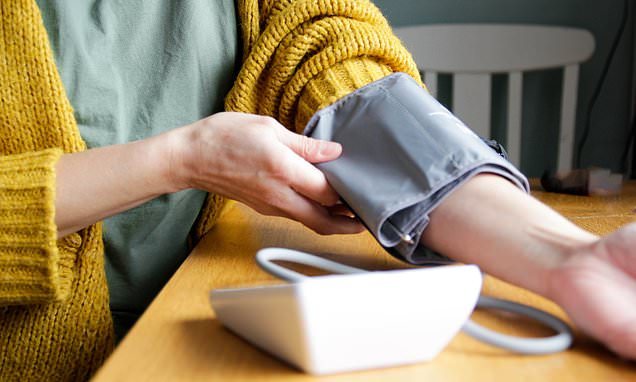
According to the doctor, the most reliable way to understand your true blood pressure profile is through regular monitoring outside the clinic. This can involve home blood pressure monitors or ambulatory monitoring devices worn over a 24-hour period, which capture readings during normal daily activities and sleep. Such methods provide a far more accurate picture than a one-off measurement.
Women are advised to know their numbers and to keep a record of readings taken at different times of day. A normal blood pressure reading is generally considered to be below 120/80 mmHg, while consistently elevated readings may indicate hypertension. Anyone concerned about their readings should discuss them with a healthcare professional rather than self-diagnosing.
Lifestyle factors play a significant role in managing blood pressure. Regular physical activity, a diet rich in fruit and vegetables, reduced salt intake, maintaining a healthy weight and limiting alcohol consumption can all help lower blood pressure. In some cases, medication may be necessary, and doctors can tailor treatment to individual needs.
The doctor also noted that women going through the menopause may experience changes in blood pressure that are not always picked up in standard consultations. Oestrogen is thought to have a protective effect on blood vessels, and its decline during the menopause can contribute to rising blood pressure. This makes monitoring particularly important for women in midlife.
Despite the availability of effective treatments, hypertension remains underdiagnosed and undertreated in many countries. Public health experts have long argued that improving detection rates could prevent thousands of heart attacks and strokes each year. The challenge is not only clinical but also educational, ensuring that people understand the importance of knowing their blood pressure and acting on it.
For middle-aged women, the message is clear: do not assume that a normal reading at the GP means you are in the clear. Ask about home monitoring, keep track of your numbers over time, and raise any concerns with your doctor. Early detection and consistent management can make a substantial difference to long-term health outcomes.
Dr Bothe's warning serves as a reminder that high blood pressure is often a silent condition, and that proactive monitoring is essential. Women who take steps to understand their own readings are better placed to reduce their risk of serious cardiovascular events later in life.
8