Swinney pledges public control of Scotland's bus network by 2031
Scotland's First Minister John Swinney has told the SNP conference that franchising and regulation will bring the bus network back into public control by the end of the parliamentary term, with legislation due at Holyrood next year.
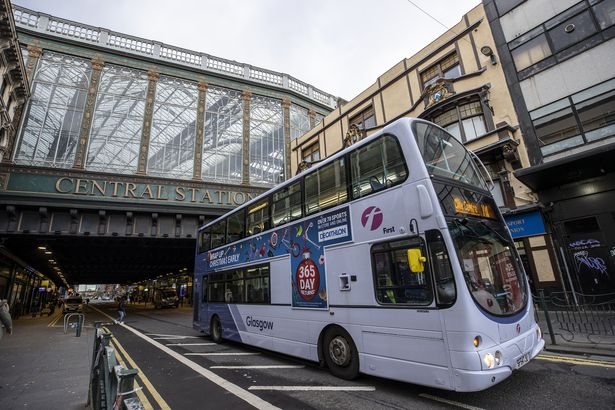
Scotland's bus network will be brought back under public control by the end of the current parliamentary term, First Minister John Swinney has pledged, setting a target of 2031 for the shift. The SNP leader said franchising and regulation would be used to change how services are run across the country.
Addressing the party's conference, Swinney said: «By the end of this Parliament, through franchising and regulation, the SNP will bring the bus network back into public control.» The commitment places buses at the centre of the Scottish Government's domestic agenda, framing the reform as a question of who decides how transport is provided rather than a technical adjustment to contracts.
Legislation is expected to be tabled at Holyrood next year, according to the plans set out alongside the announcement. That timetable means the detailed mechanics of the change — how far franchising powers are extended, how existing operators are brought into a regulated model, and what role local authorities will play — will be settled through the parliamentary process rather than in the conference hall.
The pledge draws on powers already available to ministers and councils, including franchising, under which a local transport authority can specify routes, timetables and fares and then award contracts to operators to run them. Regulation offers a second lever, allowing conditions to be placed on how services are delivered. Together, the two approaches are presented as the route to public control without the state necessarily owning the buses themselves.
For passengers, the significance lies in what franchising and regulation can change: which routes survive, how often buses run, how fares are set and how reliably services connect communities that operators might otherwise consider marginal. Bus travel remains the main form of public transport for many people outside the big cities, and decisions about timetables and fares have a direct effect on access to work, education and health services.
The announcement also carries political weight. Transport is devolved to Holyrood, and the SNP has governed in Scotland for close to two decades, so the promise invites scrutiny of why the network was not brought under public control sooner and how the 2031 deadline will be met. The First Minister's language — «back into public control» — casts the reform as a restoration rather than an innovation, appealing to a long-standing argument within the party that essential services should be accountable to the public rather than to commercial imperatives.
Operators will be watching the detail closely. Franchising changes the commercial relationship between bus companies and the state, replacing a largely deregulated market with contracts that specify what services must be provided. The transition period will determine whether existing firms bid for the new contracts, how staff are affected and whether the promised improvements arrive before the end of the decade.
The commitment sits alongside the SNP's wider programme, including its campaign for a second independence referendum, which Swinney has said has «already begun» and will be backed by a six-figure war chest. The bus pledge is a domestic policy promise that can be delivered within the current constitutional settlement, and it gives the party a concrete service reform to present to voters ahead of the next Holyrood election.
What remains to be seen is the content of the legislation due next year and whether the 2031 target survives contact with the parliamentary timetable. For now, the First Minister has set a clear marker: the SNP intends to be judged on whether Scotland's buses are run under public control by the end of the term.
4