Tens of thousands protest across France over rising prices as arrests exceed 150
Nationwide demonstrations against high prices and weakening public services have led to violent clashes with police, more than 150 arrests and a revival of the gilets jaunes movement.
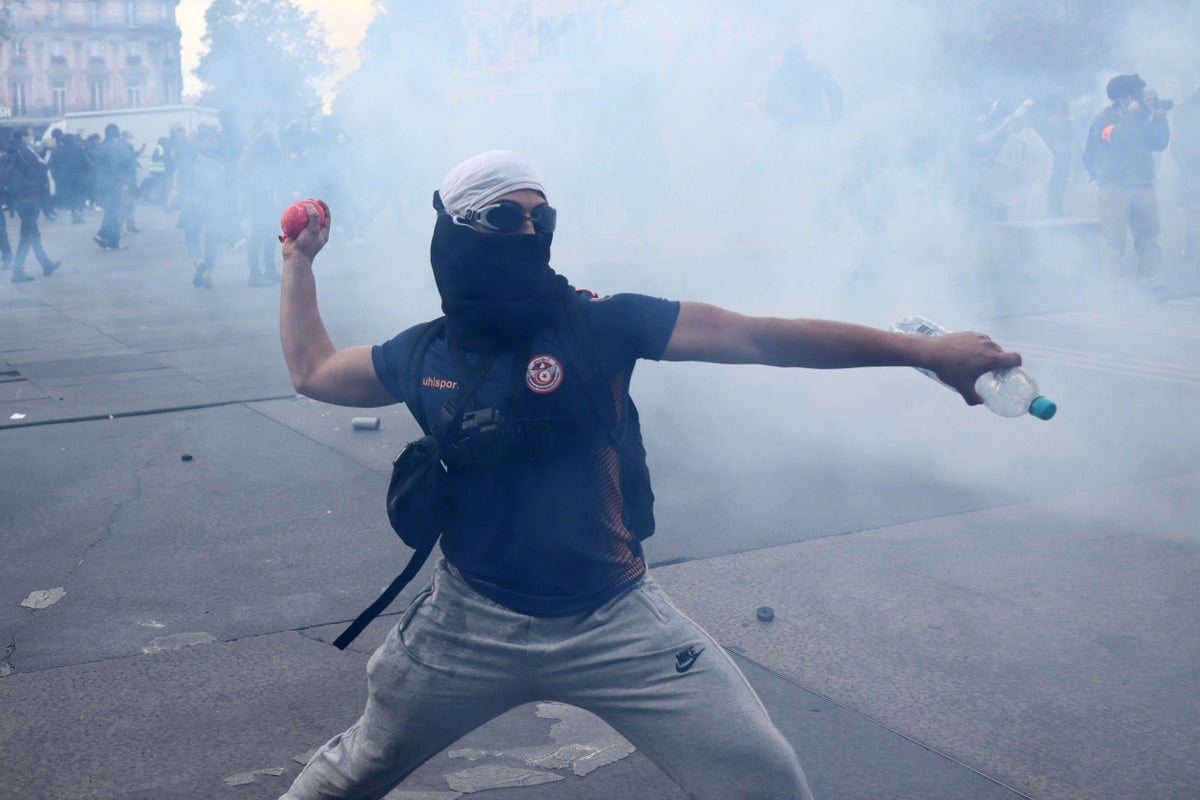
Tens of thousands of people have taken to the streets across France in a nationwide protest against rising prices and the fraying of the country's social security model, with violent clashes between police and demonstrators leading to more than 150 arrests. The mobilisation, which drew on social media calls to revive the gilets jaunes movement, has spread from Paris to Marseille and other cities, where fires were set and officers deployed tear gas.
The protests reflect mounting public anger over the cost of living and what demonstrators describe as weak public spending, particularly in the education system. In Paris and Marseille, the demonstrations turned confrontational as groups of protesters clashed with riot police, while the broader movement remained largely peaceful in many locations. Authorities have not yet released a full breakdown of the arrests or injuries, but the scale of the turnout and the intensity of the clashes in major cities have made this one of the most significant outbursts of social unrest in France in recent years.
The unrest follows calls circulated on social media to reactivate the gilets jaunes, or yellow vests, movement that first emerged in 2018 in response to social injustice and fuel taxes. That earlier wave of protests shook the French government and became a symbol of grassroots resistance to policies seen as favouring the wealthy. Organisers of the current mobilisation have framed the demonstrations as a continuation of that struggle, arguing that the pressures on ordinary households have intensified rather than eased.
At the heart of the discontent is the rising cost of basic goods and services, which protesters say has outpaced wage growth and left many families struggling to make ends meet. The demonstrations have also highlighted concerns about the underfunding of public services, with students and education workers among those taking part. The combination of economic pressure and perceived neglect of social provision has given the movement a broad base, drawing in people from different regions and backgrounds.
The French government has yet to issue a detailed response to the protests, but the scale of the turnout and the clashes in major cities will add to pressure on the administration to address the grievances. Previous rounds of yellow vest protests prompted concessions from the government, including tax cuts and increases in the minimum wage, and there are signs that similar demands are being voiced again. For now, the immediate focus is on restoring order in the affected cities and assessing the damage caused by the disturbances.
The protests come amid a wider European context of cost-of-living pressures and strained public finances, though the French mobilisation has been driven by specific national concerns about social security and public spending. As night fell, police remained deployed in central Paris and Marseille, and further demonstrations were being called for in the coming days. The coming weeks will test whether the movement can sustain its momentum and whether the government can find a way to respond to the anger without further inflaming tensions.
5