Katie Zacharia exits White House press secretary role after five days
The White House confirmed on Friday that Katie Zacharia is leaving her role as press secretary after just five days, following a lacklustre briefing debut and scrutiny over her legal credentials. Her rapid departure has exposed flaws in a hiring process reportedly driven by television appearances rather than professional vetting.
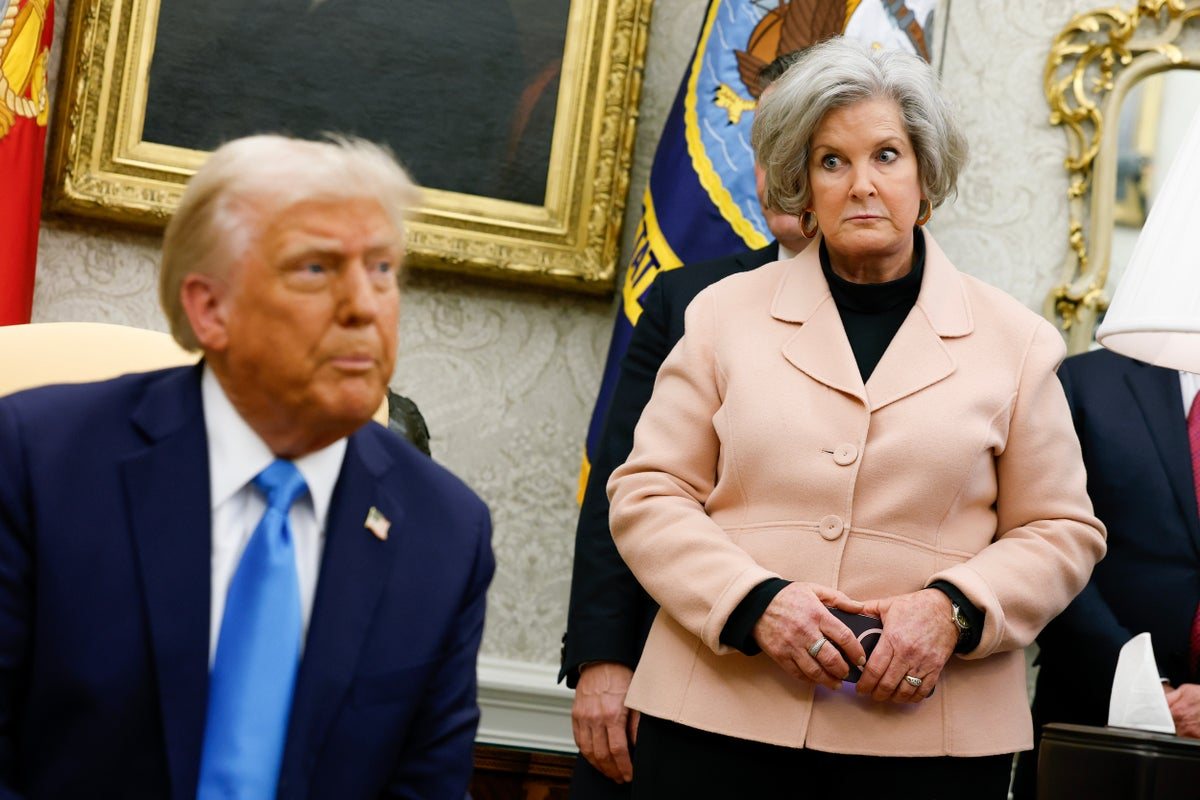
The White House confirmed on Friday that Katie Zacharia is leaving her role as press secretary after just five days in the job, a tenure so brief it has already entered the lexicon of short-lived political appointments. Her departure followed a lacklustre debut at the press briefing podium and mounting scrutiny over her legal credentials, according to officials.
Zacharia was reportedly chosen by the president after he saw her on television, a hiring approach that bypassed traditional vetting and consultation with senior staff. The decision to appoint her without consulting the veteran chief of staff, Susie Wiles, has been described as a significant misstep that could signal deeper dysfunction in the administration's staffing operations.
Her first press briefing was widely criticised as underwhelming, and subsequent interviews did little to steady the situation. Questions about her legal qualifications added to the pressure, with scrutiny intensifying after she appeared to distance herself from earlier claims about her professional background. The combination of a weak public performance and unresolved questions about her credentials sealed her fate within days.
The episode has drawn comparisons to other notoriously short-lived appointments, including Anthony Scaramucci's eleven-day stint as White House communications director and Liz Truss's brief tenure as UK prime minister. Such comparisons underscore how quickly a promising television presence can unravel when tested against the demands of a high-profile government role.
Critics have pointed to the hire as evidence of a broader pattern in which media appearances are prioritised over experience and proper vetting. The decision to bring in Zacharia without the input of the chief of staff has raised questions about internal decision-making processes and the influence of informal advisers over established channels.
Reaction to her exit was swift, with commentators and social media users mocking the brevity of her tenure. Some MAGA pundits defended her, but the prevailing sentiment was one of bemusement at yet another rapid turnover in a key communications post. The episode has also fuelled speculation about the stability of the administration's public-facing operation.
For the White House, the challenge now is to restore credibility in its communications strategy. The press secretary role is critical for conveying the administration's message and managing relations with the media. A five-day tenure leaves the position weakened and raises doubts about how the next appointment will be handled.
The departure also highlights the risks of relying on television charisma as a primary qualification for senior government roles. While a strong media presence can be an asset, it cannot substitute for the substantive knowledge, legal grounding, and institutional experience required to navigate the pressures of the briefing room.
Zacharia's exit is unlikely to be the last word on the matter. Questions remain about who advised the president on the hire and why standard vetting procedures were apparently overlooked. Those questions will continue to dog an administration already known for its high turnover and unconventional staffing choices.
As the White House searches for a replacement, the episode serves as a cautionary tale about the perils of mixing entertainment instincts with governance. The next press secretary will inherit a role diminished by the chaos of the past week, and will need to move quickly to rebuild trust with both the press corps and the public.
6