Swinney closes SNP conference with personal pledge on Scottish independence
The Scottish First Minister told the SNP's annual gathering in Aberdeen that he is determined to deliver independence so his teenage son is not trapped in a post-Brexit Britain, and confirmed plans to bring buses under public control by 2031.
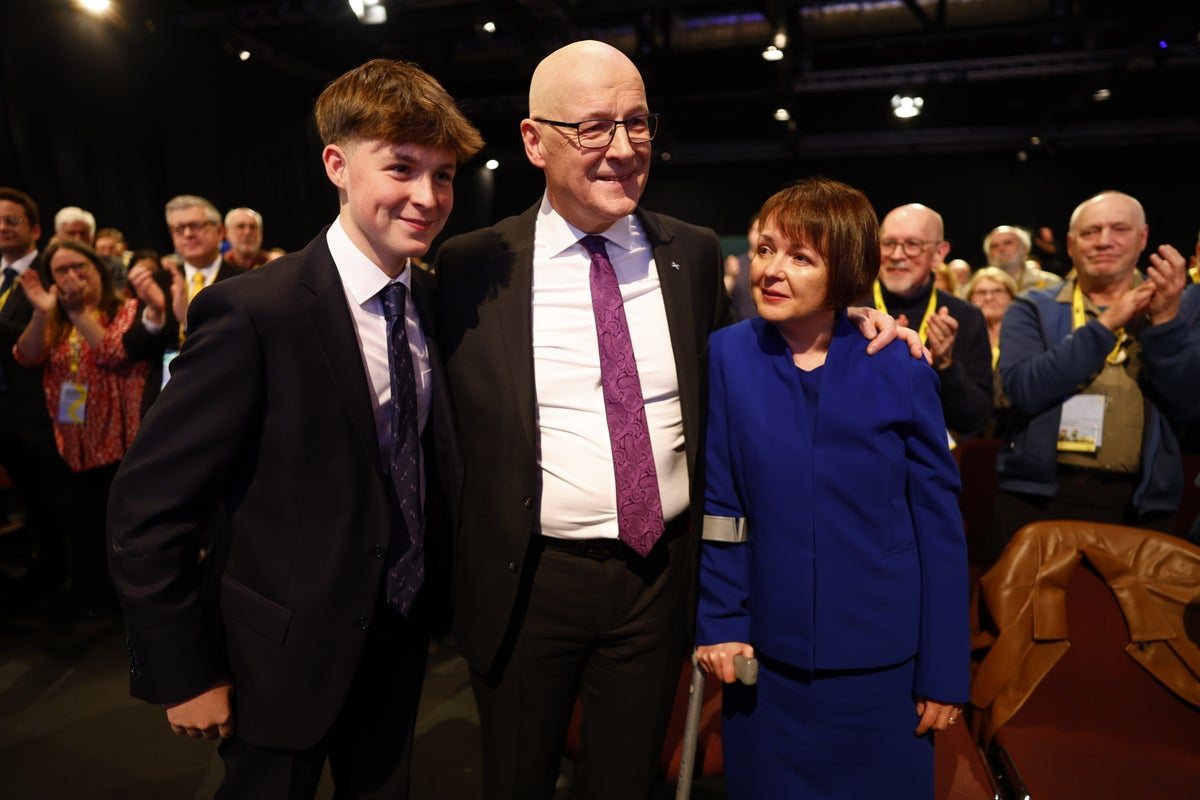
John Swinney has closed the SNP's annual conference in Aberdeen with a personal commitment to deliver Scottish independence, telling delegates he wants his teenage son to grow up in a country free of what he called the constraints of Brexit Britain. The First Minister and SNP leader used his closing speech to frame the constitutional question in generational terms, arguing that remaining inside the UK would leave younger Scots with fewer opportunities than they deserve.
Swinney said the case for independence was not abstract but rooted in the everyday prospects of families like his own. He described his son's future as a motivating force behind his leadership, and insisted that Scotland did not need to be «trapped in Brexit Britain» — a phrase that drew an emotional response from the conference floor. The remarks marked a shift in tone for the SNP leader, who has generally presented independence as an economic and democratic argument rather than a personal one.
The speech came at the end of a conference that has sought to project unity and purpose after a period of internal turbulence for the party. By returning repeatedly to the next generation, Swinney appeared to be appealing to voters who may be unconvinced by constitutional arguments framed around sovereignty alone, and instead to those concerned about jobs, living standards and the long-term direction of the country.
Alongside the independence message, the First Minister set out a domestic policy commitment that will form part of his government's programme. He confirmed that legislation will be tabled at Holyrood next year to bring bus services under public control by 2031, a move that would give ministers and local authorities greater say over routes and fares. The plan is likely to be presented by the Scottish Government as a way of improving services in areas that private operators have deprioritised.
The bus reform pledge gives the SNP a concrete delivery item to set against its constitutional ambitions, and it will be watched closely by councils, transport operators and passengers who have complained about declining services. The timetable means the policy would extend well beyond the current parliamentary term, raising questions about how the transition would be funded and managed.
For Swinney, the conference close was an opportunity to define his leadership around a clear purpose. His personal framing of independence is likely to shape the SNP's messaging in the months ahead as the party seeks to rebuild support and press the case for a fresh referendum. Whether that emotional appeal translates into political momentum will depend on how voters respond to a message that ties the constitution directly to the prospects of the next generation.
5