France Deploys Tear Gas and Makes 400 Arrests as Cost of Living Protests Sweep Cities
Riot police across France have used tear gas and water cannon against demonstrators protesting the cost of living, fuel prices and public services, with at least 400 people detained as school blockades add to nationwide disruption.
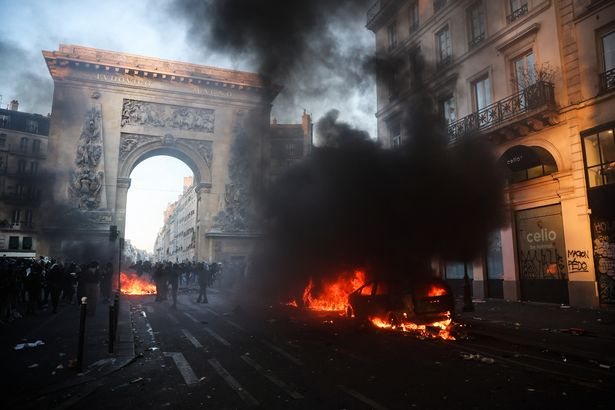
French riot police have fired tear gas and deployed water cannon in cities across the country and detained at least 400 people, as thousands of demonstrators took to the streets over the cost of living, soaring fuel prices and the condition of public services. The unrest has spread from major urban centres to towns nationwide, with school blockades adding a further layer of disruption to an already tense standoff between the public and the state.
The protests reflect mounting frustration over household budgets squeezed by rising prices, particularly at the fuel pump, alongside anger at what demonstrators describe as the deteriorating quality of public services. In Paris and other major cities, officers in riot gear confronted crowds as streets filled with protesters, and the scale of the detentions underlines the determination of the authorities to contain the movement.
School blockades have become a defining feature of the current wave of unrest. Students have joined the wider protest movement, disrupting lessons and adding a generational dimension to a crisis that began as a response to living costs. The involvement of young people has widened the movement's reach and complicated the government's response, as the grievances now span wages, fuel, education and the broader social contract.
The French government has launched an investigation after it emerged that police used 4x4 vehicles funded by the British taxpayer to charge at student protesters during the school demonstrations. The vehicles were originally paid for by the UK government specifically to prevent asylum seekers crossing the Channel. The confirmation of the investigation, involving an incident in Dunkirk, has raised questions about how equipment supplied for border-control purposes came to be deployed in domestic public-order operations.
The unrest has drawn international attention, with analysts asking whether the French movement could inspire similar protests elsewhere in Europe, where cost-of-living pressures are also biting. The combination of fuel prices, public-service decline and youth mobilisation has created a volatile mix that the authorities are struggling to defuse, and the use of force has intensified debate about the government's handling of the crisis.
President Emmanuel Macron's administration faces a familiar challenge: containing street unrest while addressing the underlying economic grievances. The protests have not yet shown signs of abating, and the detention of hundreds of people signals that the state is prepared to take a hard line. For now, the focus remains on whether dialogue can replace confrontation, and whether the government can offer measures that speak to the concerns of both workers and students.
The events have also highlighted the interconnected nature of European politics, where domestic unrest can quickly become a continental issue. As French cities recover from the latest round of clashes, the question of how the cost-of-living crisis is reshaping public protest across the continent remains open, and the coming days will be critical in determining whether the movement grows or subsides.
4