
UK House Prices Rise Overall but Some Areas See Falls of More Than 20 Per Cent
Average house prices across Britain are higher than a year ago, yet parts of the country have recorded sharp declines of more than 20 per cent, creating a divided property market for buyers and sellers.
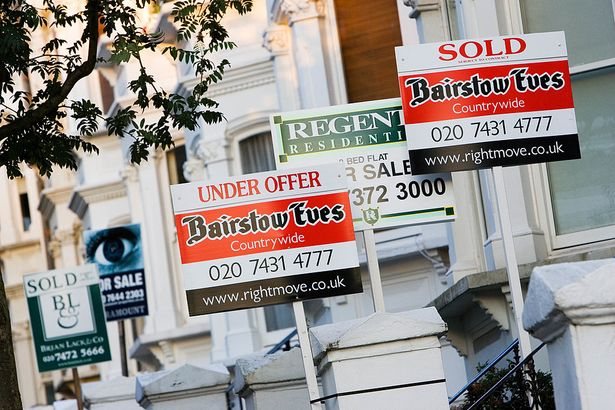
Buyers across Britain are on average paying more for homes than they were a year ago, but the national figure masks steep falls in some areas where property values have dropped by more than 20 per cent. The divergence means that while the headline average continues to rise, a significant number of local markets are moving in the opposite direction.
The pattern reflects a housing market that is no longer moving as one. Areas where prices have fallen sharply offer buyers the chance to purchase a property for substantially less than they would have paid 12 months earlier, even as the national average edges upward. For sellers in those locations, the adjustment means accepting lower valuations than they might have expected during the more buoyant phases of the market.
Falls of upward of 20 per cent in some parts of the country are large by the standards of the British housing market, where annual changes are often measured in single digits. Such declines can reshape local affordability, alter the calculations of first-time buyers, and affect homeowners considering remortgaging or selling. They also influence how lenders assess risk and how surveyors value properties in the affected areas.
The national average, by contrast, continues to show that buyers will on average pay more for homes across Britain than they did a year ago. That headline figure is shaped by stronger performances elsewhere, where demand has held up and prices have continued to climb. The result is a market of stark regional contrasts rather than a single national trend.
For prospective buyers, the practical consequence is that location matters more than ever. In areas where values have fallen by a fifth or more, the same budget can now secure a more expensive property than it could a year ago, or the same property at a considerable discount. In areas where prices have risen, buyers face the opposite pressure, with affordability stretched further.
The divergence also carries implications for the wider economy. Housing is a major component of household wealth in Britain, and sharp local falls can dampen consumer confidence in the affected communities. They can also affect local authority revenues tied to property, the viability of development schemes, and the willingness of owners to move, which in turn influences transaction volumes.
Analysts routinely caution that national averages conceal as much as they reveal. A single figure for Britain combines markets with very different fundamentals, from commuter towns and coastal areas to cities and rural districts. When some of those markets fall by more than 20 per cent while others rise, the average becomes a less reliable guide for anyone trying to judge what their own home is worth or what they can afford to buy.
For households, the most useful reference point remains the performance of their own local market rather than the national headline. Buyers and sellers in areas where prices have fallen sharply are operating in a different environment from those where values continue to rise, and the gap between the two is now wide enough to matter for decisions about buying, selling, and borrowing.