
Diesel and Gas Prices Hit Record Highs as Experts Warn of Further Increases
US fuel costs surge to unprecedented levels amid geopolitical tensions, with President Trump calling the expense a necessary price for the Iran conflict. Analysts predict further spikes, straining consumers and the economy.
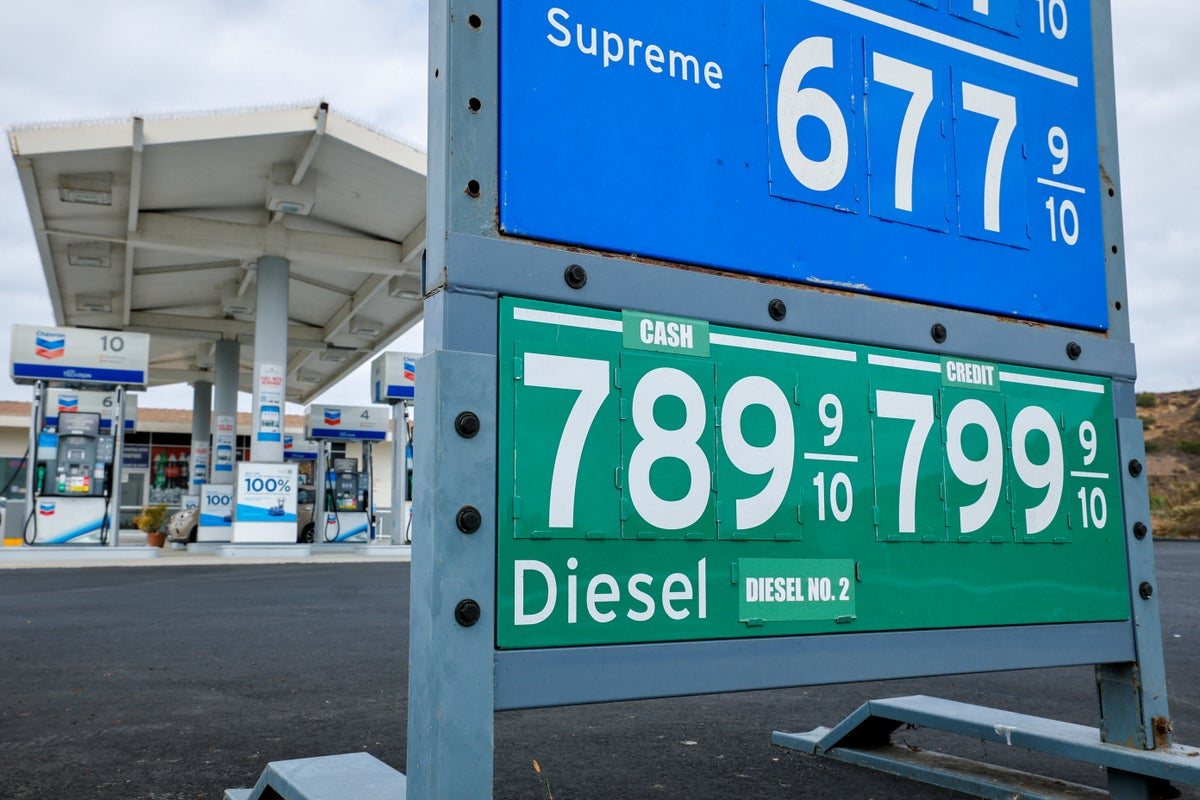
Diesel and gasoline prices in the United States have surged to record levels, with experts cautioning that the situation is likely to deteriorate further. The sharp increase comes as President Donald Trump describes the rising fuel costs as «a very inexpensive price to pay» for his administration's military actions involving Iran. The remarks have ignited debate over the economic burden on ordinary Americans and the broader implications for the global energy market.
According to industry analysts, the spike is driven by heightened geopolitical tensions in the Middle East, particularly the escalating conflict with Iran, which has disrupted supply chains and raised fears of supply shortages. Diesel prices, a key indicator of economic health due to their impact on transportation and logistics, have climbed to unprecedented levels. Gasoline prices have followed a similar trajectory, placing additional pressure on household budgets and businesses already grappling with inflationary pressures.
Experts warn that without a swift de-escalation of tensions or a significant increase in supply, prices could continue to rise. «We are seeing a perfect storm of geopolitical risk and tight refining capacity,» said one energy analyst. «Consumers should brace for further increases in the coming weeks.» The situation is compounded by seasonal demand and maintenance at refineries, which typically tightens supply during this period.
The political ramifications are already evident. President Trump's comment that the higher fuel costs are a small price for national security has drawn criticism from opposition lawmakers and consumer advocacy groups, who argue that the administration is underestimating the financial strain on working families. The White House has not announced any immediate measures to alleviate the price surge, such as releasing strategic reserves or negotiating with oil-producing nations.
For the broader economy, sustained high fuel prices act as a regressive tax, disproportionately affecting lower-income households and small businesses. Transportation costs ripple through the supply chain, potentially driving up prices for goods and services, and complicating the Federal Reserve's efforts to manage inflation. The energy sector, meanwhile, sees windfalls for oil companies, but the volatility creates uncertainty for investment and planning.
As the situation unfolds, all eyes are on diplomatic and military developments involving Iran, which will largely determine the trajectory of fuel prices. For now, American consumers and businesses are left to navigate an increasingly costly energy landscape, with little relief in sight.