
Bank of England Holds Rates at 3.75% and Warns Middle East War Could Force Future Rises
The Bank of England has kept interest rates unchanged for a sixth consecutive meeting, but warned that continued fighting in the Middle East could push inflation higher and force borrowing costs up. It also announced a surprise plan to sell billions of pounds in government bonds back to the Treasury.
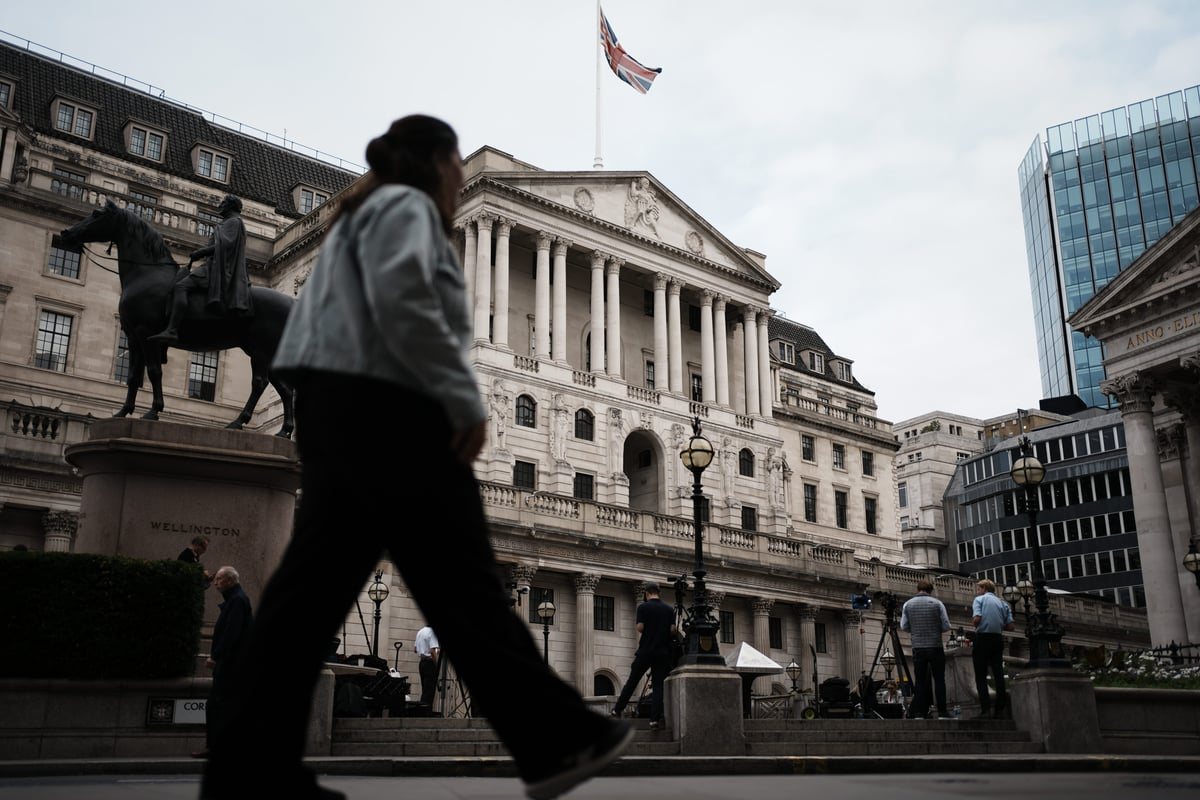
The Bank of England has left interest rates unchanged at 3.75 per cent, but warned that a continuation of the bitter fighting in the Middle East could force it to raise borrowing costs amid mounting fears over inflation.
The decision marks the sixth consecutive meeting at which the Bank's Monetary Policy Committee has kept rates on hold. The central bank also announced a surprise plan to sell billions of pounds in UK government bonds back to the Treasury, a move designed to avoid fuelling turbulence in the gilt market.
The bond sale could have significant consequences for the public finances ahead of next month's budget. By returning government bonds to the Treasury, the Bank aims to reduce the risk of disruption in the gilt market, which has been sensitive to shifts in fiscal policy and global economic conditions.
The warning over the Middle East conflict reflects growing concern that prolonged instability could drive up energy prices and disrupt supply chains, feeding through to higher consumer prices. The Bank has repeatedly stressed that it will act to bring inflation back to its two per cent target, and the latest statement suggests that further tightening remains possible if price pressures intensify.
Inflation has remained stubbornly above target in recent months, complicating the Bank's decision-making. The conflict in the Middle East has added a new layer of uncertainty, with policymakers wary that a sustained rise in oil and gas prices could reignite inflationary pressures across the economy.
The hold at 3.75 per cent gives households and businesses some short-term certainty on borrowing costs, but the Bank's forward guidance makes clear that this stability may not last. Mortgage holders and firms with variable-rate debt could face higher repayments if the Bank decides to raise rates in the coming months.
The decision also comes against a backdrop of political pressure and fiscal constraints. The government is preparing its next budget, and the Bank's bond sale plan could affect the fiscal headroom available to the Chancellor. By reducing the stock of bonds held by the Bank, the move may lower the interest costs the Treasury pays on its debt, but it also removes a source of demand in the gilt market.
Economists have noted that the Bank's stance is finely balanced. On one hand, holding rates steady supports growth at a time when the economy is fragile. On the other, failing to act against inflation risks could undermine the Bank's credibility and force more aggressive action later.
The Bank's warning about the Middle East conflict underscores how geopolitical events can quickly transmit to domestic economic policy. A sustained rise in energy costs would squeeze household budgets, raise business costs, and potentially slow growth, creating a difficult trade-off for policymakers.
For now, the Bank has chosen to wait and assess incoming data. But its message is clear: if the war continues and inflation pressures build, interest rates could rise again. The next budget and the trajectory of the conflict will be critical in shaping the Bank's next move.