Tories Challenge Chancellor to Rule Out Tax Rises in Budget as Badenoch Faces Backlash Over Bank of England Gaffe
The Conservative Party has challenged the Chancellor to rule out tax increases in next month's Budget, while Kemi Badenoch faces criticism for a gaffe concerning the Bank of England. The political row intensifies as the Tories seek to brand the government as 'tax and spend socialists'.
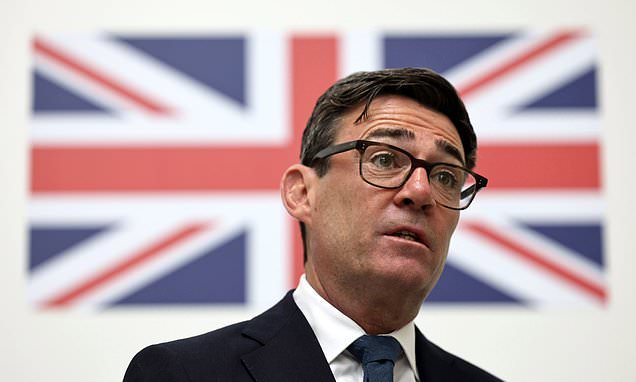
The Conservative Party has formally challenged the Chancellor to rule out any tax rises in next month's Budget, escalating a political battle over the government's fiscal plans. The demand comes as the Tories seek to brand the administration as a «traditional tax and spend socialist government», a label they hope will resonate with voters concerned about the cost of living.
The challenge was issued as part of a broader Conservative offensive on economic policy, with the party promising to produce a report on regulatory burdens facing small businesses and the self-employed. The report, to be compiled by Craig Mackinlay and Robert Colvile, will take evidence from small business and self-employed organisations and is due in December. It will examine why past attempts to reduce regulatory and compliance burdens have failed and what should be done differently.
At the centre of the row is a gaffe by Conservative leader Kemi Badenoch, who has been labelled an «embarrassment» following a mistake concerning the Bank of England. The incident has provided Labour with ammunition, with the party quick to remind the Conservatives of their own economic record. A Labour spokesperson said: «We won't take any lectures from the Tories on the economy — not least when it was only last week that Andrew Griffith was praising the 'lots of good things' in Liz Truss's disastrous mini-budget.»
The Labour response also targeted Griffith directly, noting that he was the minister who abolished the Office for Tax Simplification after the tax code ballooned to 23,000 pages. «Why on earth would anyone believe him now?» the spokesperson added, citing the Conservatives' record on IR35, frozen VAT thresholds, and what Labour describes as a «betrayal» of businesses through red tape.
The political clash underscores the broader economic stakes as the government prepares to unveil its Budget. With inflation and public spending under scrutiny, the opposition is attempting to frame the fiscal debate around tax discipline, while the government counters by highlighting the Conservatives' recent economic missteps, including the fallout from the Truss mini-budget.
The Conservative report on small business regulation is expected to feed into this narrative, with the party arguing that reducing red tape is essential for growth. However, Labour's rapid rebuttal suggests the government will not allow the Tories to claim the economic high ground without a fight.
As the Budget approaches, the exchange is likely to intensify, with both parties seeking to define the economic choice facing voters. The Conservatives' demand for a tax pledge from the Chancellor places the government in a difficult position, as any hint of future tax rises could be seized upon by the opposition.
The row also highlights the ongoing political vulnerability of Kemi Badenoch, whose leadership has been marked by a series of controversies. The «embarrassment» label, applied by critics over the Bank of England gaffe, adds to pressure on her position as the Tories attempt to rebuild their economic credibility.
With the Budget set to dominate the political agenda in the coming weeks, the challenge over tax rises is likely to become a central battleground. The government has yet to respond directly to the Conservative demand, but Labour's pre-emptive strike suggests it is prepared to defend its record and go on the offensive over the Tories' own economic legacy.