Reeves still vague on when Labour will cut benefits spending
Chancellor Rachel Reeves has not set a timetable for cutting welfare spending, a gap that a former adviser to Andy Burnham says left markets unconvinced that the government will balance the books.
The Chancellor has yet to say when Labour will bring down the cost of welfare, a question that critics say her first Budget failed to answer. A former adviser to Andy Burnham has warned that the statement did nothing to reassure financial markets that the government's public finances will be balanced.
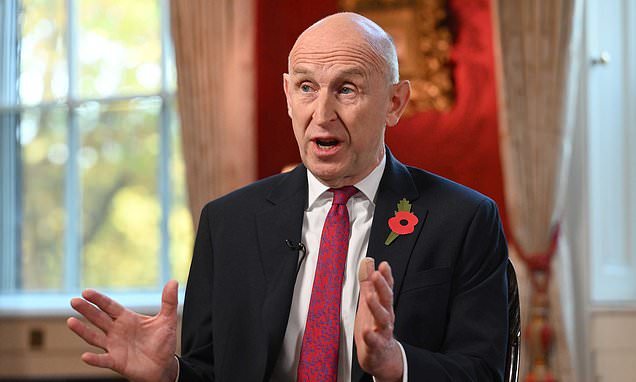
Ministers insist that the welfare bill will come down under Labour, but they have not committed to a date for the savings. John Healey, the Defence Secretary, has said that the welfare bill will fall, but he added: «We never set a timetable for savings». The Chancellor delayed major changes to the welfare system until 2027 in her first Budget, and her office has said that the timetable for reform has been set out, even if the savings have not been pinned to a specific schedule.
That distinction is at the heart of the criticism. Markets tend to respond to clear fiscal rules and credible timelines, and the absence of a firm date for welfare savings leaves investors uncertain about how the government intends to close its spending gap. The former Burnham adviser argued that the Budget's failure to tie welfare reductions to a specific timeline weakened confidence that the books would be balanced over the medium term.
The question has been pressed repeatedly in the days since the Budget. Healey's remarks came as the Chancellor was asked to explain how and when the reductions would arrive, and the answer he gave confirmed that no fixed schedule of savings had been published. Opponents have seized on the gap between the promise that the bill will fall and the lack of any date attached to that promise.
The episode highlights a wider tension within the government's approach. Labour has tried to combine investment in public services with a commitment to fiscal discipline, and welfare spending is one of the largest and most politically sensitive lines in the budget. Any cut to benefits carries political risk, while leaving the cost to rise undermines the government's stated aim of stable public finances.
Reaction from the financial sector and think tanks has focused on whether the Chancellor will be forced to bring forward firmer proposals. Until a timetable is published, the question of how Labour will reduce welfare spending is likely to remain a central line of attack from opponents and a point of pressure from economists watching the public finances closely.
4