UK Air Traffic Outage Caused by Millisecond Software Defect, NATS Report Finds
A software defect corrupted flight data in a millisecond, triggering a six-hour UK air traffic control outage that grounded flights and disrupted hundreds of thousands of passengers. Ministers say the report leaves urgent questions unanswered.
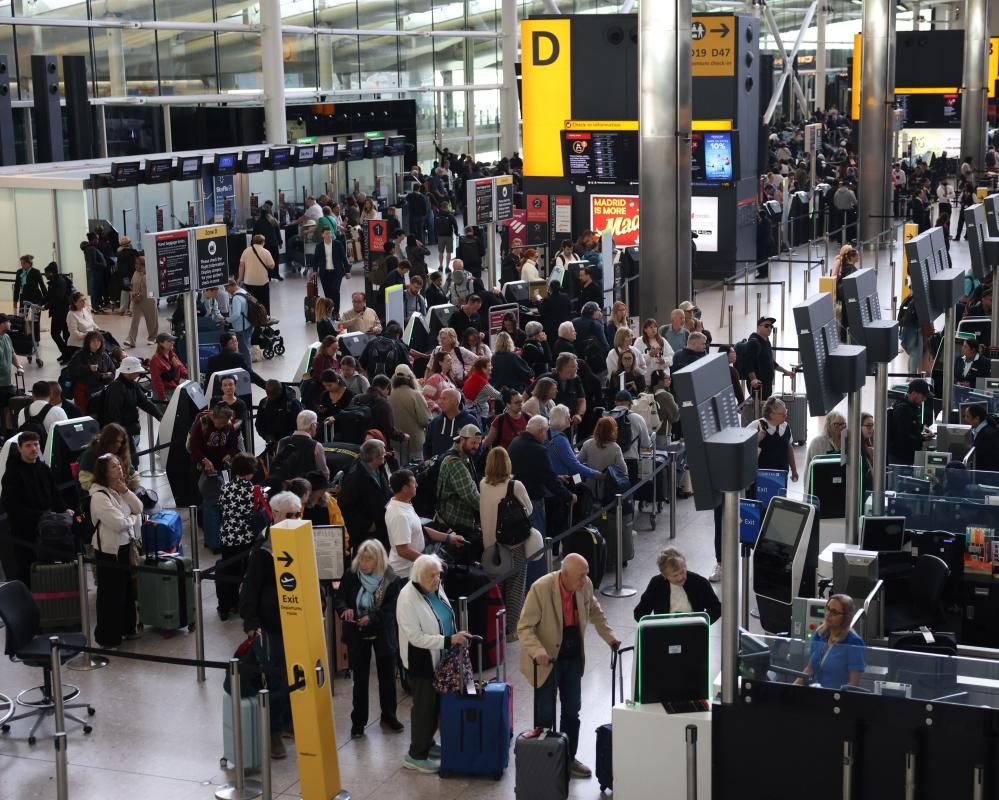
A software defect in the UK's air traffic control system corrupted flight data in the space of a millisecond, causing a six-hour outage that led to mass airline cancellations and delays across the country, National Air Traffic Services has said. The fault, detailed in a new report, affected flights both in and out of the UK and disrupted hundreds of thousands of passengers.
According to NATS, the problem originated in a specific part of the air traffic control system and unfolded with extraordinary speed. Within a single millisecond, flight data was corrupted, triggering a failure that took six hours to resolve. The resulting disruption rippled through UK airspace and beyond, forcing airlines to axe services and leaving travellers stranded at airports including Heathrow and Gatwick.
Ministers responded to the report by saying it still leaves critical questions unanswered. They argued that the focus must now shift to why the defect was not identified and corrected before it caused widespread chaos. The government has called for an urgent explanation of how such a vulnerability could remain undetected in a system of national importance.
The incident has raised fresh concerns about the resilience of the UK's air traffic control infrastructure. While NATS has provided a technical account of the failure, the political reaction suggests that the report does not fully address the oversight and maintenance failures that allowed the defect to persist. The disruption affected not only domestic flights but also international services arriving at and departing from UK airports.
Passengers faced cancelled flights, long delays and uncertainty as the outage unfolded. The scale of the impact — hundreds of thousands of travellers affected — has intensified scrutiny of how quickly the problem was diagnosed and resolved. The six-hour duration of the outage has also prompted questions about contingency planning and the ability of the system to recover from unexpected software faults.
The report from NATS describes a fault that corrupted flight data almost instantaneously, but it does not explain why the issue was not caught earlier. Ministers have made clear that they expect answers on the timeline of the defect, the testing regime that should have detected it, and the measures needed to prevent a repeat. The incident has become a test case for how the UK manages the safety and reliability of critical national infrastructure.
As airlines and airports continue to deal with the aftermath, the focus is now on the steps that will be taken to ensure the air traffic control system can withstand similar failures in future. The government's demand for urgent clarity signals that the technical explanation alone is not sufficient, and that accountability for the disruption remains an open question.