Supermarket fridges across Europe overheat in suspected cyber-attack
Retail chains in Sweden, Belgium, Luxembourg and Ireland report refrigeration and freezer systems failing overnight, prompting fears of a hack similar to one that caused major food losses in France.
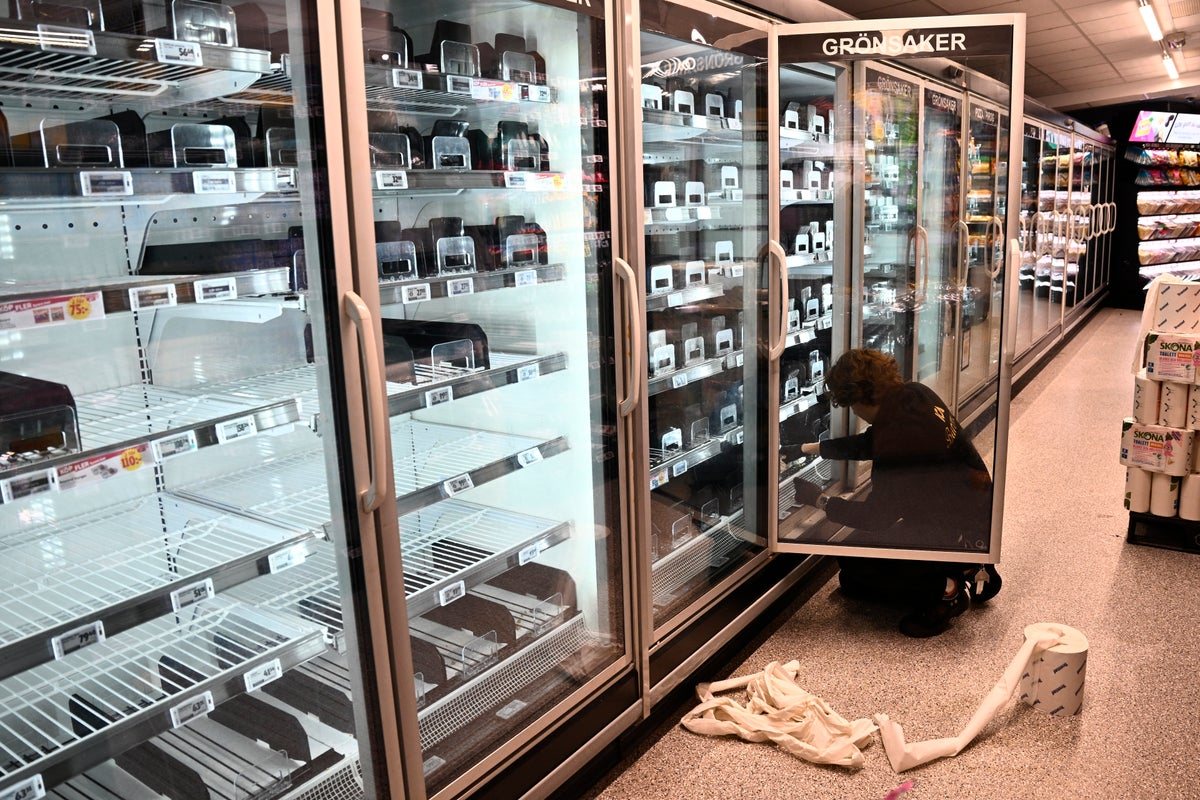
Supermarket chains in several European countries have reported that the temperatures of refrigerators and freezers in dozens of stores rose overnight, prompting fears of a cyber-attack. The incidents have hit retailers in Belgium, Ireland, Luxembourg and Sweden, and have led to spoilt food being thrown away.
Sweden’s Coop chain told the daily Aftonbladet on Monday that six of its stores had been affected. The rival chain ICA said it was aware that a limited number of stores had been hit by an incident overnight that affected their refrigeration and freezer systems. Supermarket chains in Luxembourg and Belgium have also reported that fridge and freezer temperatures in dozens of their stores rose during the same period, with the scale of the problem described as similar across the countries involved.
The disruption has been compared with an earlier episode in France, where a suspected cyber-attack on supermarket refrigeration systems caused losses of millions of euros in food. The resemblance between the two sets of incidents has raised concern among retailers and officials that a similar technique may be being used against food chains across the continent. The Guardian’s reporting notes that the chains themselves have drawn that comparison, pointing to the French case as a reason for their fears.
For the affected supermarkets, the immediate consequence is the loss of perishable stock that can no longer be sold safely. Refrigerated products such as dairy, meat and prepared foods must be kept within strict temperature limits, and when cooling systems fail, the food has to be discarded. An Irish report on the affected chains quoted a source describing the situation as very scary, reflecting the worry among staff who watched temperatures climb in cabinets they are responsible for.
Refrigeration in large supermarkets is typically run through networked control systems that monitor and adjust cooling units remotely. That connectivity, which allows central management of many stores at once, also creates a route through which an attacker could alter settings or disable equipment. Whether that is the cause in the current cases has not been confirmed, and the incidents are described so far as suspected rather than proven attacks.
The chains have not publicly attributed the failures to any particular group, and investigations into the cause are ongoing. Retailers are expected to review the security of their building management and refrigeration networks as the investigations continue, while the overnight timing of the failures has been noted as a common feature across the affected countries.
Source: independent.co.uk
6