Holiday Cottage Owners Warn Burnham Tax Rise Could Force Closures
Tourism operators in Greater Manchester fear a proposed council tax surcharge on second homes and holiday lets will make their businesses unviable, with warnings of a catastrophic knock-on effect on the local economy.
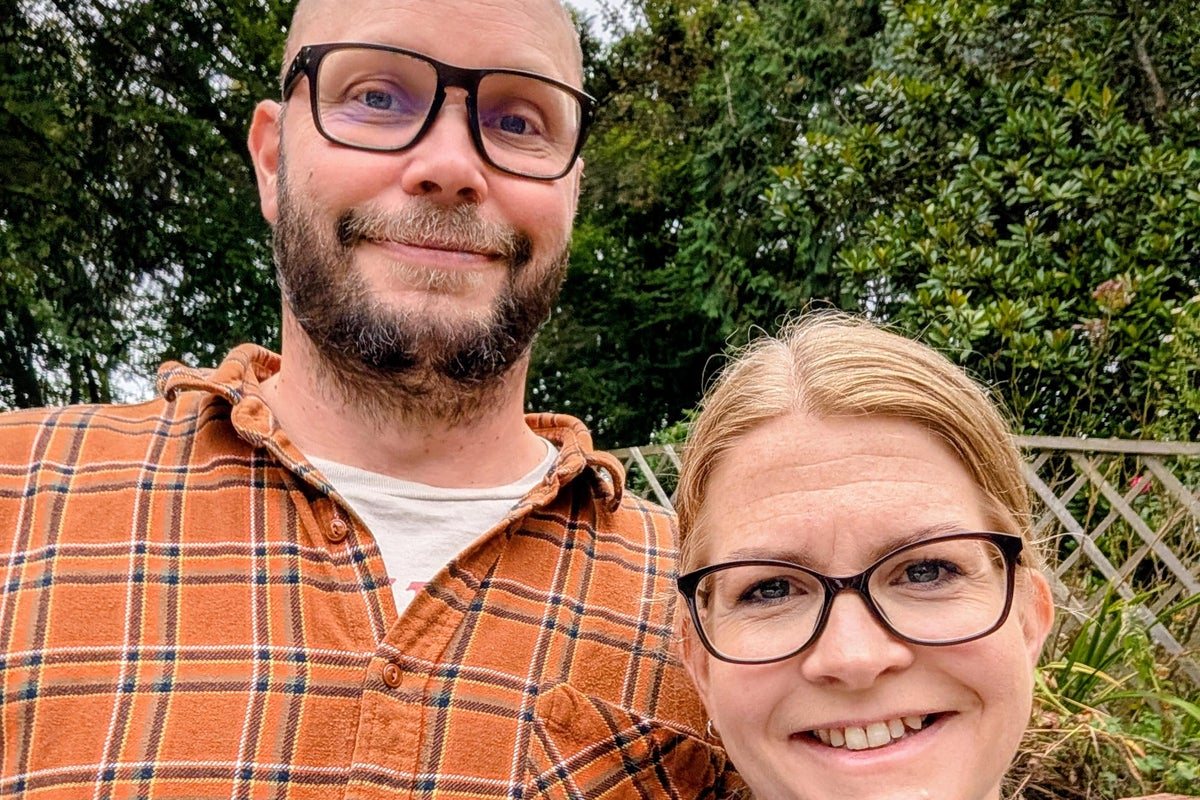
Holiday cottage owners in Greater Manchester have warned that a proposed tax increase by mayor Andy Burnham could force them to close their businesses, with tourism bosses predicting a «catastrophic knock-on effect» on the wider local economy.
The plan, which would raise council tax on second homes and holiday lets, is being considered as part of efforts to address the region's housing shortage and generate additional revenue for public services. But operators of small tourism accommodation say the extra cost would make many of their businesses unviable, particularly those already operating on thin margins after several difficult years.
Owners argue that holiday cottages are not simply investment properties but small enterprises that support local jobs, supply chains and visitor spending in rural and semi-rural parts of Greater Manchester. They say a significant rise in council tax would reduce profitability to the point where some would have to sell up or cease trading altogether.
Tourism industry representatives have echoed those concerns, warning that the loss of holiday accommodation would ripple through the local economy. Fewer overnight visitors would mean reduced custom for pubs, restaurants, shops and attractions that depend on tourism spending, they say, with the impact felt most acutely in areas where alternative accommodation is limited.
The proposed tax change forms part of a broader debate about how to balance the need for affordable housing with the economic benefits of tourism. Similar measures have been introduced or discussed in other parts of the UK, where local authorities have sought to discourage properties being kept as second homes or short-term lets in areas facing housing pressure.
Supporters of such policies argue that higher taxes on second homes and holiday lets can help free up housing for local residents and ensure that owners contribute more fairly to the communities where their properties are located. They point out that in some popular tourist areas, the proliferation of holiday lets has reduced the supply of homes available for long-term rent or purchase, driving up prices for local people.
Opponents, however, contend that blanket tax increases fail to distinguish between large-scale property investors and small family-run tourism businesses. They argue that holiday cottages often form part of a diversified rural economy and that closing them would remove an important source of income and employment in areas with fewer alternative opportunities.
The consultation and decision-making process around the proposed tax rise is ongoing, with stakeholders on both sides making their cases. For holiday cottage owners, the uncertainty itself is a challenge, as they attempt to plan for the future without knowing whether their costs will rise sharply or by how much.
If the tax increase goes ahead in its current form, some owners say they will have no choice but to close, while others may attempt to pass on the additional cost to visitors through higher prices. That in turn could reduce demand, particularly among price-sensitive domestic tourists who might choose cheaper alternatives or holiday abroad.
The outcome will be closely watched by tourism operators across the UK, as local authorities elsewhere consider similar measures to address housing pressures and raise revenue. For now, holiday cottage owners in Greater Manchester are urging policymakers to consider the potential economic consequences before finalising any changes.