Ukraine's Starlink Access Still Capped Despite Trump Claim of Restoration
Ukrainian officials say satellite internet speeds remain limited to 161km/h, contradicting President Trump's assertion that Starlink access has been fully restored, as Austria expels four more Russian diplomats over espionage concerns.
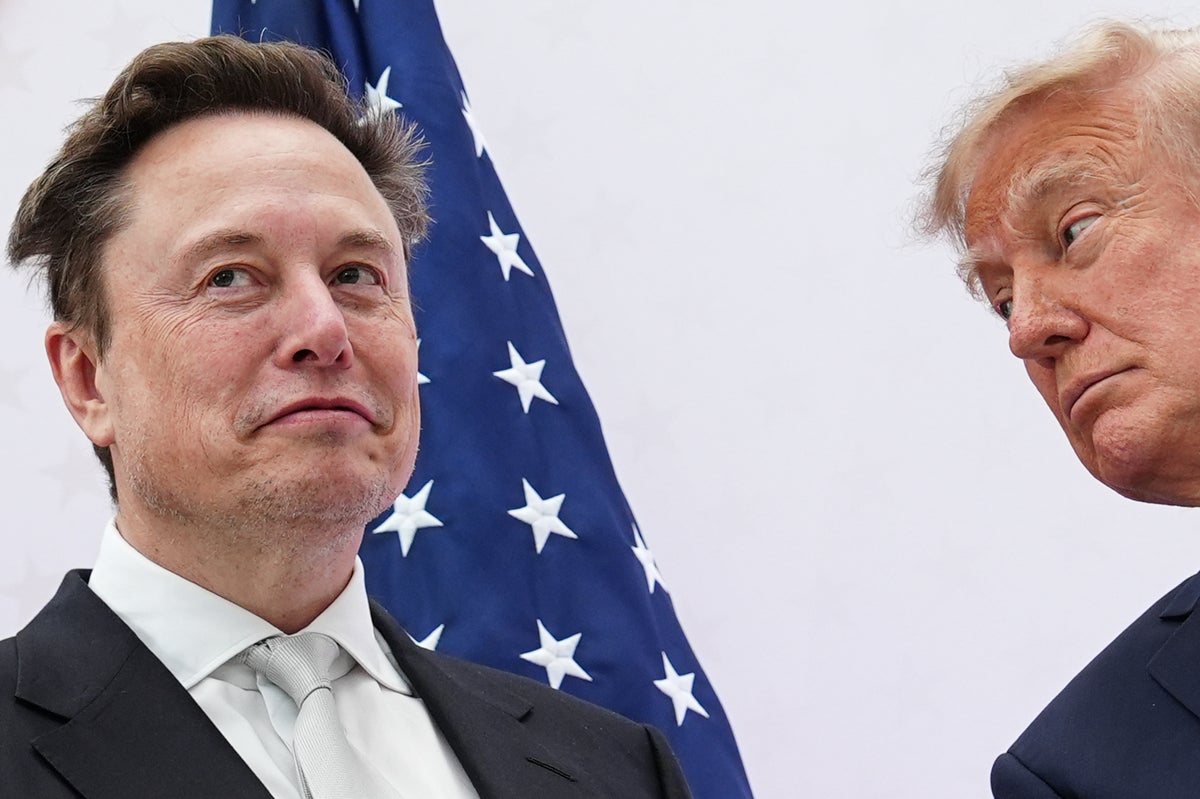
Ukrainian military officials have said that access to SpaceX's Starlink satellite internet service remains restricted, despite US President Donald Trump's claim that the service had been restored. The service is still operating under a speed cap of 161km per hour, according to officials, a limitation that is crippling key air defence systems.
The discrepancy emerged after Trump publicly stated that Ukraine's Starlink access had been reinstated, but batted away questions about Elon Musk's role in the decision. Ukrainian military sources indicated they had not yet observed any change in satellite internet speeds, suggesting the restriction remains in place.
The cap on Starlink speeds is particularly significant for Ukraine's military operations, as the satellite service is used extensively for communication and targeting in air defence. The limitation could affect the country's ability to respond to aerial threats, including drone and missile attacks.
Starlink, operated by SpaceX, has been a critical component of Ukraine's communications infrastructure since the early stages of the full-scale invasion. The service provides connectivity in areas where traditional networks have been destroyed or are unavailable, and its use has been a point of contention in international discussions about technology and warfare.
The contradiction between Trump's statement and the reports from Ukrainian military sources raises questions about the reliability of information regarding the service's status. Neither SpaceX nor the US administration has provided further clarification on the matter.
In a separate development, Austria's foreign ministry announced that it is expelling four more Russian diplomats over activities incompatible with their diplomatic status, a phrase typically used to denote espionage. Three of the diplomats worked at the Russian embassy in Vienna, while the fourth was assigned to the Organization for Security and Cooperation in Europe, focusing on arms control.
The Austrian authorities said the individuals had been under surveillance for some time by security services before the decision to expel them was made. The move adds to a growing pattern of diplomatic expulsions across Europe as tensions with Russia continue.
The Starlink restriction and the diplomatic expulsions come amid ongoing international efforts to support Ukraine's defence capabilities while managing relations with Russia. The speed cap on satellite internet could have operational implications for Ukraine's military, which relies on reliable connectivity for coordination and intelligence sharing.
Trump's claim about Starlink restoration, made without providing evidence, contrasts with the on-the-ground reports from Ukrainian sources. The situation highlights the challenges of verifying information in a fast-moving conflict environment and the importance of satellite communications in modern warfare.
Austria's decision to expel the diplomats follows similar actions by other European countries in recent months. The OSCE, where one of the expelled individuals worked, has been a forum for dialogue on security issues, but the presence of alleged intelligence officers has complicated its operations.
The Austrian foreign ministry did not provide further details about the specific activities that led to the expulsions, but the use of the standard diplomatic formula indicates serious concerns about espionage. The Russian embassy has not yet commented on the expulsions.
The combination of the Starlink limitation and the diplomatic expulsions underscores the broader geopolitical tensions affecting Europe and Ukraine. As the conflict continues, the role of private companies like SpaceX in providing critical infrastructure has become a subject of intense scrutiny and political debate.
11