Karoline Leavitt Calls Katie Zacharia's Five-Day Tenure as Press Secretary «Tough»
Former White House Press Secretary Karoline Leavitt has spoken publicly for the first time about Katie Zacharia, who was fired by President Donald Trump after just five days in the role, leaving the administration without a spokesperson weeks before the midterm elections.
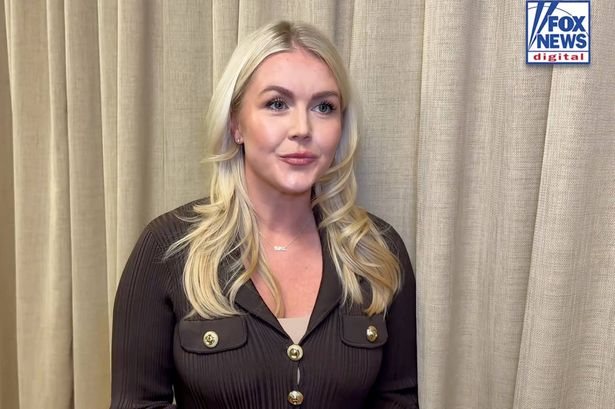
Karoline Leavitt, the former White House Press Secretary, has broken her silence on the abrupt dismissal of her short-lived successor Katie Zacharia, describing the situation as «tough». Zacharia was fired by US President Donald Trump after only five days in the job, a decision that has left the administration without a permanent spokesperson just weeks before the country's midterm elections.
Leavitt's public comment marks the first time she has addressed the rapid turnover in the press office since leaving the role herself. Her remark that the episode was «tough» offers a rare glimpse into the internal dynamics of a communications operation that has now seen two press secretaries depart in quick succession. The former spokesperson did not elaborate further on the circumstances of Zacharia's removal, but her intervention places the staffing turmoil firmly in the public domain.
The dismissal of Zacharia after less than a week on the job is highly unusual in modern White House history. Press secretaries typically serve for months or years, and a five-day tenure is almost without precedent. The timing is particularly sensitive: midterm elections are approaching, a period when the administration needs a clear and consistent public voice to defend its record and counter opposition messaging. Instead, the president is currently without a confirmed spokesperson at a moment when political communication is at a premium.
Trump's decision to remove Zacharia so swiftly has raised questions about the stability of his communications team and the internal vetting process for senior appointments. The role of press secretary is one of the most visible in any administration, requiring daily engagement with journalists and the ability to articulate policy under pressure. A rapid turnover in that position can disrupt relationships with the press corps and complicate the delivery of the administration's message.
Leavitt's own departure from the press secretary role had already drawn attention, and her comments now add a further layer to the story of a press office in flux. While she did not criticise the president directly, her description of the situation as «tough» suggests the transition has been difficult for those involved. The former spokesperson's willingness to speak publicly may also be read as an attempt to draw a line under the episode while acknowledging its awkwardness.
For the administration, the immediate challenge is to fill the vacancy quickly and restore a sense of continuity. With the midterm elections looming, the absence of a permanent press secretary leaves a gap in the daily communication between the White House and the media. Opposition figures are likely to seize on the disarray as evidence of a broader dysfunction, while supporters may dismiss it as a routine staffing matter.
The episode also highlights the pressures faced by those who take on the press secretary role in a highly polarised political environment. The job demands loyalty to the president, credibility with reporters, and the resilience to handle scrutiny on a daily basis. Zacharia's brief tenure illustrates how quickly those pressures can become untenable, and how decisively a president can act when he judges that a spokesperson is not working out.
Leavitt's comments, though brief, ensure that the story remains in the public eye at a time when the administration would prefer to focus on its electoral message. Whether her intervention helps or hinders the White House's efforts to move on from the episode remains to be seen, but it has certainly added a human dimension to a story otherwise dominated by process and personnel.
10