US judge orders Trump to sit for deposition in $10bn BBC lawsuit
A federal judge has ordered Donald Trump to cooperate with discovery in his $10bn lawsuit against the BBC and sit for a deposition by 11 December, warning that failure to comply could lead to sanctions including dismissal of the case.
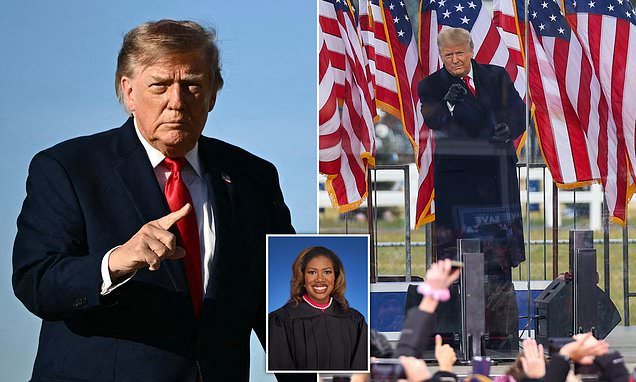
Donald Trump has been ordered by a US federal judge to cooperate with the discovery process in his $10bn lawsuit against the BBC and to sit for a deposition by 11 December, with the judge warning that failure to comply could trigger sanctions, including the possible dismissal of the case. The order marks a significant procedural step in a legal action that has already drawn international attention because it pits the US president against Britain's public broadcaster.
The lawsuit centres on a Panorama documentary aired by the BBC that spliced together comments made by Trump during a rally on 6 January 2021, before the US Capitol riot. Trump's legal team argues that he was personally damaged by the broadcast under Florida's Unfair and Deceptive Trade Practices Act, even though the programme was not readily available to view in Florida. The case has been filed in the United States, where Trump's lawyers contend the relevant consumer protection law applies.
The judge's order requires Trump to submit to a deposition — a formal pre-trial questioning under oath — by the deadline, and to engage fully with the discovery process in which both sides exchange evidence. The threat of dismissal underscores the court's insistence that the plaintiff comply with standard legal obligations rather than seek to avoid scrutiny of his claims. Sanctions could also include other penalties at the judge's discretion if the deadline is missed or cooperation is deemed insufficient.
The dispute has been characterised in some quarters as a defamation action that could backfire on the president, given the legal exposure that a deposition entails. Questioning under oath would allow the BBC's legal team to probe the basis of Trump's claims of personal damage and the circumstances surrounding the broadcast. The case also raises questions about the reach of US consumer protection law over a British broadcaster's editorial decisions and the extent to which a public figure can claim commercial harm from a documentary aired primarily in the United Kingdom.
The BBC has not commented publicly on the specifics of the discovery order, but the broadcaster has previously defended its journalism. The Panorama programme in question examined the events leading up to the Capitol riot and used edited footage of Trump's remarks. The splicing of comments has been a central point of contention, with Trump's team alleging that the editing distorted his statements and caused reputational and financial harm.
The order sets a clear timetable for the next phase of litigation. If Trump complies, the deposition will take place before 11 December, potentially opening a new chapter in a case that has already generated headlines on both sides of the Atlantic. If he does not, the judge has signalled that the lawsuit itself could be at risk. The outcome will be watched closely by media lawyers and free-speech advocates, as it tests how US courts handle claims brought by a sitting president against a foreign public service broadcaster.
The case continues to develop, with both sides preparing for the discovery phase. The judge's warning that the $10bn claim could be dismissed represents one of the most direct judicial interventions in the dispute so far, and it places the burden squarely on Trump to demonstrate that his case merits proceeding to trial.
6