
Trump claims agreement reached for Hamas disarmament in Gaza
Donald Trump has announced an agreement for Hamas to disarm and Israeli forces to withdraw from Gaza, but officials on both sides have signalled that disputes over how it would work remain unresolved.
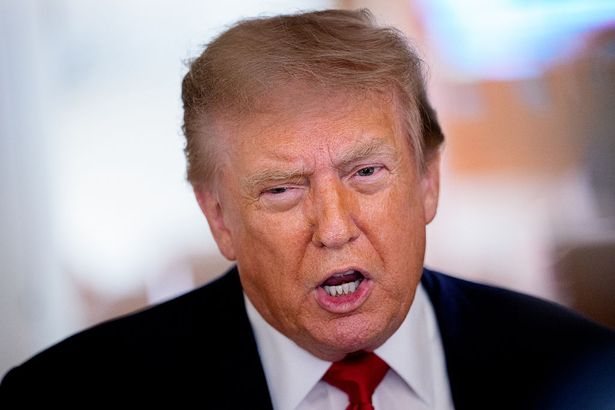
Donald Trump has announced that an agreement has been reached for Hamas to completely disarm and for Israeli forces to withdraw from Gaza, hailing the deal as a critical step towards a new Palestinian government in the territory.
In a social media post, the US president said the agreement would allow Gaza to be governed by a new Palestinian administration working closely with his Board of Peace, the body created to help negotiate an end to the conflict. The Board of Peace described the deal as a major breakthrough in the long-running Middle East crisis.
Trump wrote that the agreement was «a critical step towards Gaza finally being governed by a new Palestinian government that will work closely with the Board of Peace to help the Palestinian people». He described the arrangement as historic in its scope.
However, statements from Israeli and Hamas officials have exposed sharp differences over how the agreement would be implemented, leaving significant doubts about whether it can be carried out as described. A senior Hamas official said the group would only disarm if Israel fulfilled its commitments, an indication that the two sides have not yet settled on the terms of the deal.
Under the outline presented by the United States, Hamas would hand political and security control in Gaza over to international troops, a newly established Palestinian police force and a transitional government body of nonpartisan experts. Israeli forces would then withdraw from the territory, paving the way for the new Palestinian government to assume control.
The announcement represents the most ambitious attempt so far to resolve the question of who will govern Gaza once the fighting stops. The proposed framework is designed to replace Hamas's control with an internationally backed administration, while seeking to address Israel's security concerns through a complete disarmament process. The plan also envisages an international presence in Gaza during the transition, with foreign troops and a new local police force helping to keep order.
The cautious responses from the parties involved have underlined the fragility of the agreement. The idea of a transitional government made up of nonpartisan experts would require the endorsement of both Israel and Palestinian factions, and Hamas's insistence on linking disarmament to Israeli commitments raises questions about what would happen if those commitments are not met.
The Board of Peace has presented the deal as a diplomatic success for Trump, who has made ending the war in Gaza and securing the release of remaining hostages central goals of his foreign policy. Yet with briefings from both sides revealing different interpretations of what was agreed, the situation on the ground remains far more complicated than the president's announcement suggested.
For now, the agreement exists in principle rather than in practice. Whether it leads to the complete disarmament of Hamas, the withdrawal of Israeli forces and the establishment of a new Palestinian government will depend on whether both sides can overcome the disagreements that remain publicly unresolved. The initial reactions from the parties suggest that difficult negotiations lie ahead before the deal can be turned into reality.