
Oil and gas prices climb after Saudi Arabia closes east-west pipeline
Brent crude rose about 3% to $108 a barrel after Saudi Arabia shut its east-west pipeline following new Houthi strikes, while global stocks fell ahead of expected interest-rate hikes in the US and Japan.
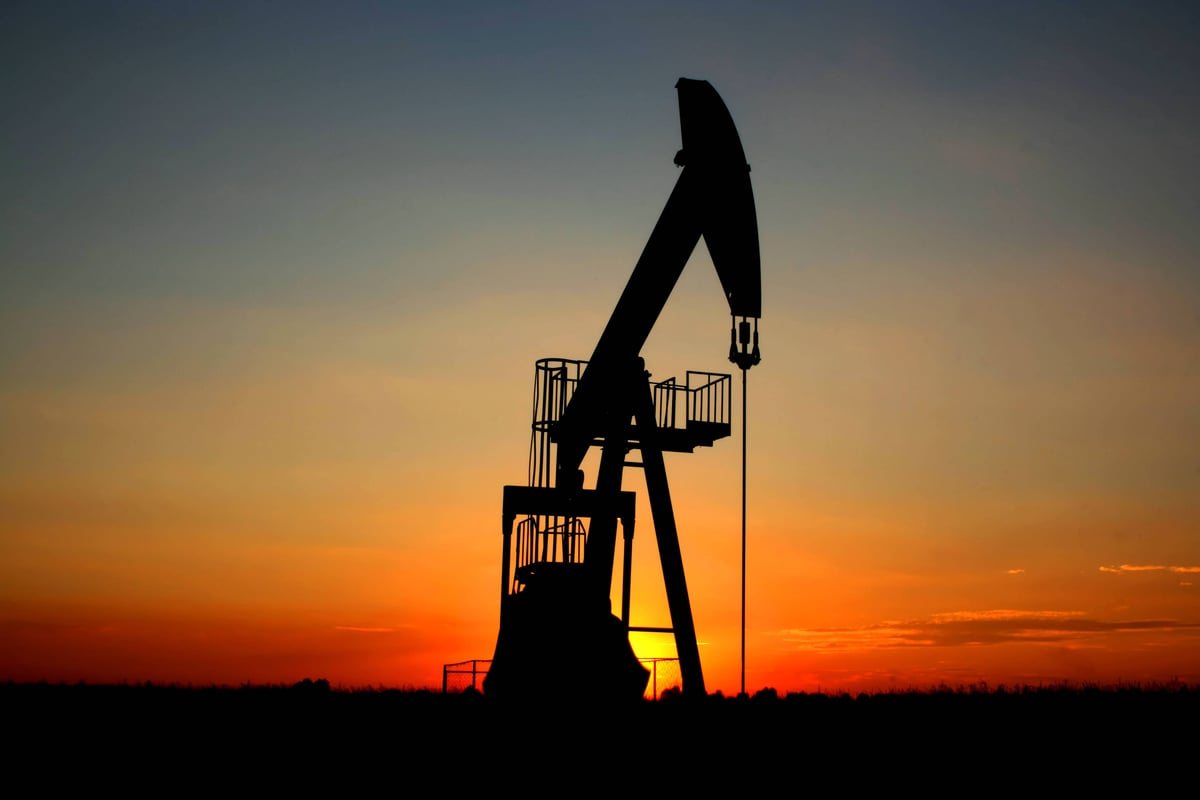
Brent crude oil climbed to around 108 US dollars a barrel on Monday morning, a rise of roughly 3%, after Saudi Arabia closed its east-west pipeline in response to fresh attacks. The shutdown of the key export route has tightened an already fragile supply picture and pushed energy prices higher across global markets.
The pipeline closure followed new strikes on Saudi Arabia, which also disrupted shipping in the Gulf. Oil prices rose above 107 dollars a barrel as traders reacted to the combined effect of the pipeline halt and attacks on vessels in the region. The developments mark another setback for stability in the Middle East and for efforts to keep energy flows uninterrupted.
Global stocks fell on Monday as investors were unnerved by the surge in the oil price. The drop came ahead of likely interest-rate hikes in the United States and Japan this week, adding to pressure on equity markets already sensitive to higher energy costs. Rising crude prices feed directly into transport, manufacturing and household energy bills, and can complicate central banks' efforts to bring inflation under control.
The east-west pipeline is a critical piece of Saudi infrastructure, allowing crude to move across the country to Red Sea terminals and bypass the Strait of Hormuz. Its closure removes a significant alternative route for exports at a time when Gulf shipping is already under threat. The attacks on ships in the Gulf have raised concerns about the safety of commercial vessels and the potential for further disruption to global supply chains.
Diplomatic efforts to reduce tensions have also suffered. Crucial talks in Oman were postponed, a blow to peace efforts that had been underway. The postponement followed an attempt by former US President Donald Trump to claim control over Hormuz oil, a move that further complicated the already delicate negotiations. The combination of military strikes, pipeline closures and stalled diplomacy has left the region on edge and markets searching for direction.
For the UK and Europe, the immediate effect is higher fuel costs and renewed pressure on inflation. Brent at 108 dollars a barrel is well above the levels seen earlier this year and could feed through to petrol prices, heating bills and industrial input costs. The Bank of England and other central banks may face a tougher trade-off between supporting growth and containing price rises if energy costs remain elevated.
Investors are also watching the US and Japanese central banks, both of which are expected to raise rates this week. Higher rates tend to strengthen the dollar and can weigh on oil demand, but the current supply shock is dominating sentiment. The combination of tighter monetary policy and rising energy prices has historically been a difficult environment for equities, and Monday's falls reflect that unease.
The situation remains fluid. Saudi Arabia has not indicated when the pipeline might reopen, and the risk of further attacks on energy infrastructure or shipping remains high. Any escalation could push oil prices higher still, with knock-on effects for global growth and consumer prices. For now, the market is pricing in a sustained risk premium, and the closure of the east-west pipeline stands as a stark reminder of how quickly geopolitical events can reshape the energy landscape.