
Bank of England Expected to Hold Rates at 3.75% but Warned to Stay Ready on Inflation
The Bank of England's Monetary Policy Committee is widely expected to keep interest rates unchanged at 3.75% at its meeting on Thursday, though economists caution it must remain prepared to act if inflation pressures persist.
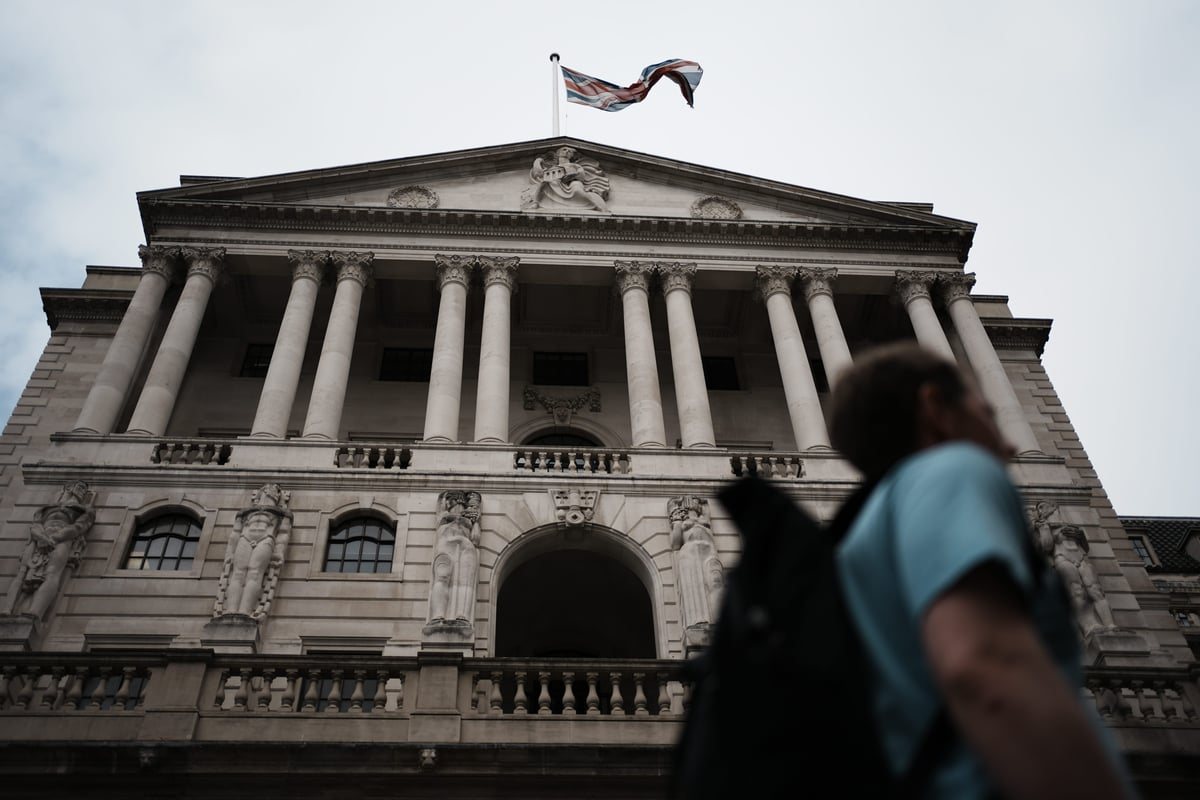
The Bank of England is expected to leave interest rates unchanged at 3.75% when its Monetary Policy Committee meets on Thursday, according to a broad consensus among economists. The decision would mark a pause in the tightening cycle that has dominated UK monetary policy over the past two years, as policymakers weigh signs of easing inflation against persistent price pressures in parts of the economy.
Most economists surveyed ahead of the meeting anticipate that the nine-member committee will vote to hold the Bank Rate, citing a mixed picture on inflation and growth. While headline inflation has retreated from its peak, services prices and wage growth remain elevated, complicating the case for an early cut. The Bank has repeatedly stressed that it will keep rates restrictive for as long as necessary to return inflation sustainably to its 2% target.
The expectation of a hold comes amid heightened global uncertainty, including tensions in the Middle East and the ongoing war in Iran, which have added volatility to energy markets and supply chains. These factors could feed through to consumer prices in the coming months, giving the committee reason to retain a hawkish bias even as it pauses. Economists argue that the Bank «needs to be ready» to act on inflation should those risks materialise.
The European Central Bank has also been navigating a similar path, with policymakers in Frankfurt weighing the timing of their own rate adjustments. The Bank of England's decision will be scrutinised for signals about the future path of policy, particularly whether the committee is moving closer to cutting rates or remains concerned about sticky inflation.
Financial markets have largely priced in a hold, with attention focused on the accompanying minutes and the vote split. A unanimous decision to keep rates steady would reinforce the view that the Bank is in no rush to ease, while any dissent in favour of a cut could be read as a sign that the debate is shifting. The Bank's quarterly Monetary Policy Report, also due on Thursday, will provide updated forecasts for growth and inflation that could shape expectations for the rest of the year.
For households and businesses, a hold at 3.75% means borrowing costs will remain elevated in the near term. Mortgage holders on variable rates and firms with floating-rate debt will continue to face pressure, while savers may still benefit from relatively attractive returns on deposits. The Bank has acknowledged the strain that higher rates place on the economy but has argued that allowing inflation to become entrenched would ultimately prove more damaging.
The decision will be announced at midday on Thursday, followed by a press conference with the Governor. Economists will parse the language for any shift in the Bank's assessment of inflation persistence and the balance of risks. With global tensions simmering and domestic price pressures still evident, the committee's message is likely to be one of caution rather than complacency.