
London Children Trapped in £500m County Lines Drug Trade
Organised gangs are forcing children into violent slavery on an industrial scale across Britain, with warning signs frequently missed by schools, police and social care, according to a new investigation into the £500m County Lines drug trade.
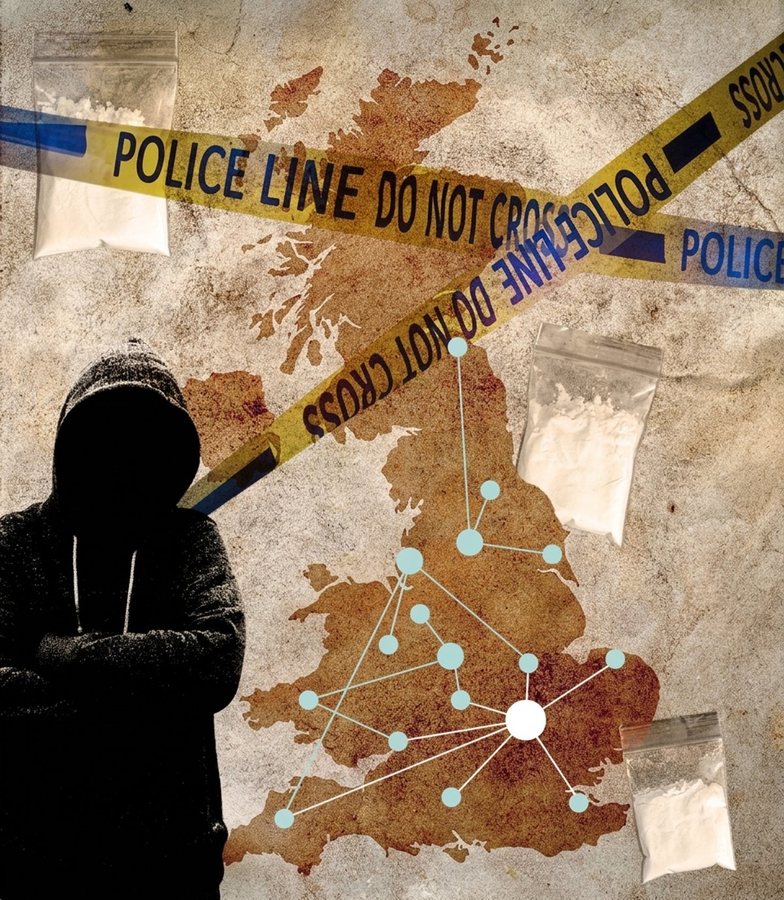
Organised criminal gangs are trapping London children in a form of violent slavery on an industrial scale, according to a new investigation into Britain's £500m County Lines drug trade. The network, which moves illegal drugs from urban centres into smaller towns and rural areas, relies heavily on children who are coerced, threatened and exploited, yet the warning signs are often missed by the very institutions meant to protect them.
County Lines operations involve gangs establishing dedicated phone lines to sell drugs across county boundaries. Children as young as primary school age are recruited, often through grooming techniques that mimic romantic relationships or offer a sense of belonging and status. Once drawn in, they are used as couriers and dealers, frequently subjected to physical violence, sexual exploitation and debt bondage. The trade is estimated to be worth £500m annually, making it one of the most lucrative criminal enterprises in the country.
The investigation highlights that schools, police forces and social care services repeatedly fail to identify children who are being exploited. Warning signs such as unexplained cash, new phones, missing school, staying out late, or returning home with injuries are often overlooked or dismissed as typical teenage behaviour. In some cases, children are criminalised for offences they committed under coercion rather than being recognised as victims of modern slavery.
According to the report, the industrial scale of the operation means thousands of children across the UK are affected, with London serving as a major hub for recruitment and dispatch. Gangs deliberately target vulnerable young people, including those in care, those excluded from school, and those living in poverty. The exploitation is described as a form of slavery because the children have no real ability to leave, facing threats to themselves and their families if they attempt to break free.
Professionals working in child protection have long warned that a lack of joined-up working between agencies allows the problem to persist. Police may treat a child as a suspect, while social services may not have the resources to intervene early, and schools may not have the training to spot the signs. The result is that many children fall through the gaps and remain trapped in a cycle of violence and criminality.
The report calls for a more coordinated response, including better training for teachers, police officers and social workers, as well as a shift in approach that treats exploited children as victims rather than offenders. It also points to the need for greater awareness among parents and communities about how gangs operate and who they target.
While the government has introduced measures to tackle County Lines, including increased funding for specialist teams and a national taskforce, critics argue that enforcement alone will not solve the problem. Without addressing the underlying vulnerabilities that make children susceptible to grooming — such as poverty, family breakdown and exclusion from education — the cycle is likely to continue.
The investigation serves as a stark reminder that behind the statistics are real children whose lives are being destroyed. It urges society to recognise the scale of the crisis and to act decisively to protect those who cannot protect themselves.