
US Petrol Stations Hit Display Limit as Prices Reach $9.999 a Gallon
Fuel retailers across the United States are running out of digits on their forecourt price boards, which typically cap at four characters, as pump prices approach the $10 mark.
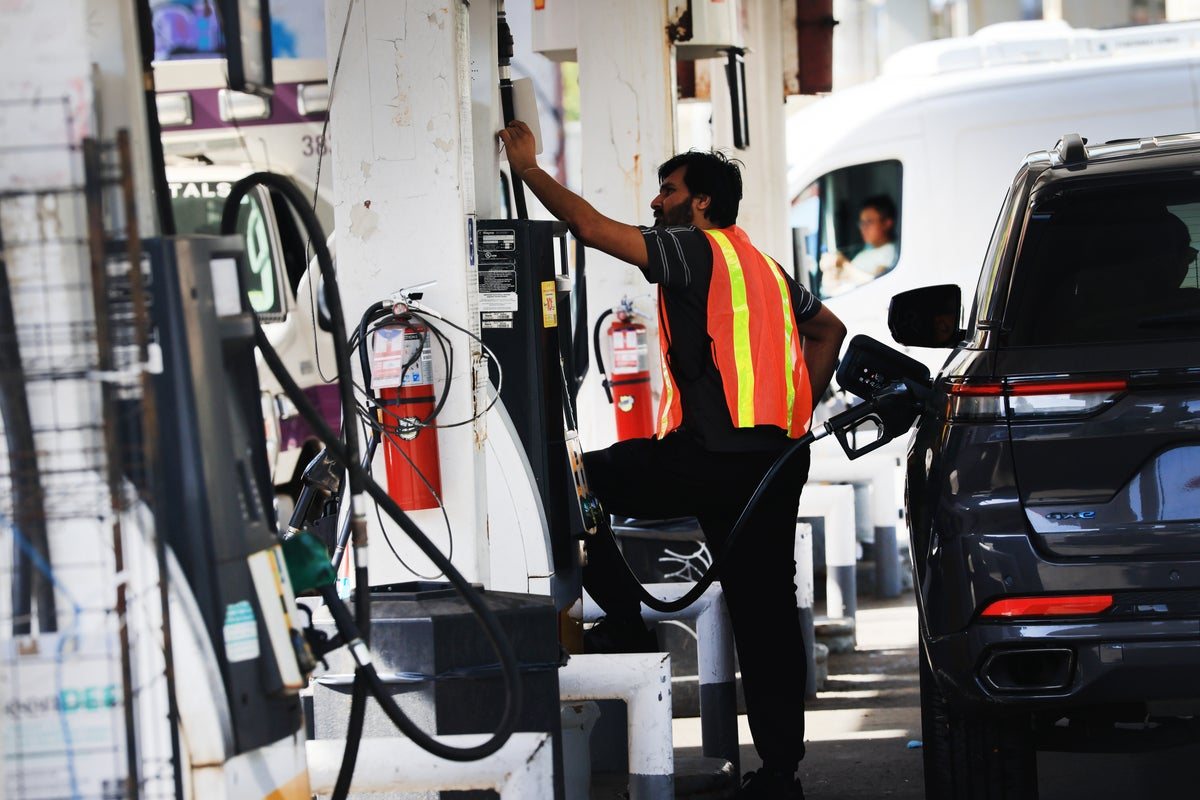
Petrol stations in the United States are confronting a physical limit on how much they can charge motorists, with forecourt displays increasingly showing $9.999 a gallon because standard price boards only carry four digits and cannot register a figure of $10 or more.
The constraint is a practical one rather than a policy decision. Most American fuel retailers use mechanical or digital price signs built around a four-digit format, which allows them to display amounts up to $9.99 and, in some cases, a further decimal place. Once the price per gallon reaches double digits, the boards have no way of showing the full amount, leaving stations to either cap the displayed figure or find alternative ways to communicate the cost.
The development reflects the broader pressure on fuel prices in the United States, where the cost of petrol is a politically sensitive indicator that feeds directly into household budgets, transport costs and inflation expectations. For drivers, the difference between a displayed $9.999 and an actual price above $10 is not merely cosmetic: it signals that the cost of filling a tank has moved into territory that the retail infrastructure was never designed to handle.
Fuel retailers operate on thin margins, and the price boards are a central part of how they compete. A station that cannot display its true price risks losing customers to a rival that appears cheaper, even when the underlying cost is similar. Some operators have responded by adding supplementary signage or digital displays, but the transition is uneven and depends on the size of the operator and the age of the equipment.
The four-digit limit has surfaced before in periods of sharp fuel price increases, but the approach to $10 a gallon gives the issue renewed prominence. It also highlights how consumer-facing infrastructure can lag behind market conditions, leaving businesses to improvise when the numbers move beyond the range their systems were built for.
For motorists, the practical effect is a growing gap between what is advertised on the forecourt and what is charged at the pump. That discrepancy can complicate comparisons between stations and make it harder for drivers to judge where they are getting the best deal. It also adds a layer of confusion to an already volatile cost that many households monitor closely.
The situation is being watched as an indicator of how far fuel prices have travelled. While the display limit is a technical detail, it captures a wider economic reality: the cost of energy has risen to a point where everyday retail systems are being stretched beyond their original design. Whether stations invest in new signage or continue to work around the constraint will depend on how long prices remain at these levels and how quickly the market adjusts.
For now, the $9.999 figure has become a visible marker of the pressure at the pump, a number that tells drivers as much about the limits of the equipment in front of them as it does about the cost of the fuel itself.
74