
UK Climate Messaging Faces Trust Deficit After Summer of Extremes
As wildfires, excess deaths and hosepipe bans bring the climate crisis home, experts argue that local, collective action — not institutional warnings — is what shifts public behaviour in the UK.
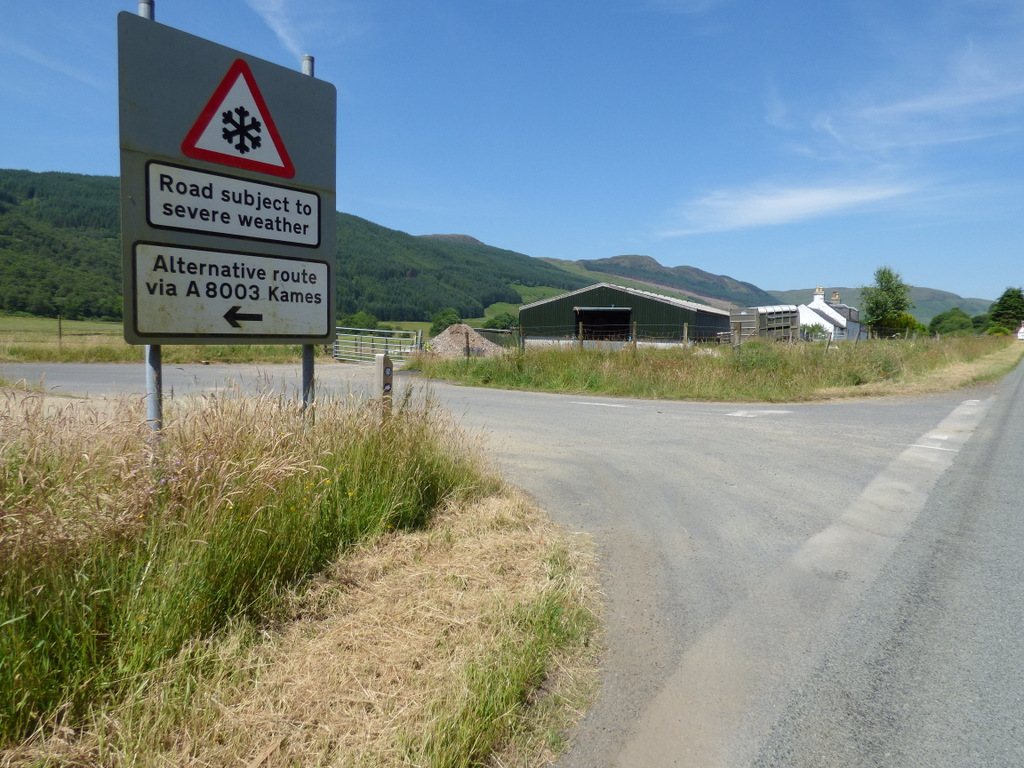
Wildfires, excess deaths, hosepipe bans and school closures have made this summer's climate crisis a lived reality for many people across the UK, creating what experts describe as a rare opening for policymakers to engage the public on preparing the country for the years ahead. The question now is whether that opening can be used before the memory of a drought-stricken summer fades.
Trust in institutions is wavering, and experts say that is precisely why traditional top-down warnings struggle to cut through. Instead, local and collective action is proving more effective at driving change, because it speaks to people through the communities and networks they already rely on rather than through distant official channels.
The scale of this summer's disruption has been unusually broad. Wildfires, excess deaths, hosepipe bans and school closures are not abstract projections but events that many British people have experienced directly, in some cases for the first time. That shared experience gives climate communicators a platform that did not exist in previous years, when the crisis was often framed as a distant or future problem.
Reflecting on a summer he described as «as hot as hell», the UN's head of climate, Simon Stiell, pushed back against the idea that climate is a partisan or cultural battleground. «Climate is sometimes seen as a partisan issue, as territory in the culture wars. That is palpably false,» he said. His intervention underlines the central communications challenge: the science is settled, but the politics around it are not, and that gap shapes how warnings are received.
For UK policymakers, the practical test is whether messaging can survive the recovery of the landscape. As yellowed, drought-stricken grass begins to turn green again, the urgency that defined the peak of the summer tends to recede from public attention. Experts warn that this natural cycle of attention is one of the biggest obstacles to sustained engagement, because the moment of maximum public receptiveness is also the moment when the visible evidence is already disappearing.
The emerging consensus among climate experts is that warnings delivered from the centre are less persuasive than action organised at the local level. Community-led initiatives, neighbourhood networks and collective responses appear better placed to build the habits and preparedness that national campaigns struggle to instil. That shift implies a different role for government: not simply issuing alerts, but enabling and resourcing the local structures through which people actually respond.
This summer's events also illustrate why preparedness matters beyond the immediate emergency response. Excess deaths during periods of extreme heat, disruption to schooling, pressure on water supplies and the strain placed on emergency services all point to the same conclusion — that adaptation is not a future cost but a present one. Each of these impacts carries consequences for public services, households and local authorities that outlast the weather itself.
Stiell's remarks suggest that framing climate as a partisan issue is not only inaccurate but counterproductive, because it allows the debate to be absorbed into existing cultural divisions rather than treated as a shared practical problem. For communicators in the UK, the lesson from this summer may be that the most effective message is not a warning at all, but an invitation to act alongside others.
Whether that lesson is applied before the next period of extreme weather will depend on whether institutions can rebuild enough trust to be heard — or whether communities will continue to lead the response on their own terms.
67