Polish Minister Warns Russia Threat Is 'Inside the House' After Drone Scare on Boris Johnson's Train
A Polish minister has said the threat from Russia is now 'inside the house' after a drone warning forced a security alert on a train carrying former UK Prime Minister Boris Johnson and other officials returning from a conference in Kyiv.
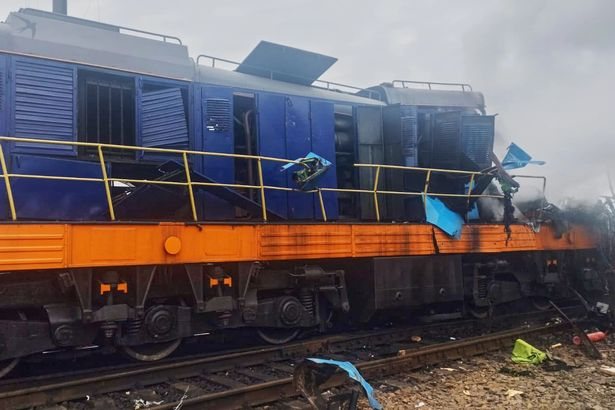
A Polish minister has described the threat posed by Russia as being «inside the house» after a drone warning disrupted a train carrying former UK Prime Minister Boris Johnson and four other officials returning from a security conference in Kyiv. The incident has heightened concerns about the reach of Russian military activity beyond Ukraine's borders and into NATO territory.
Johnson was among five officials travelling on a «special train» when a warning was issued about drone strikes near the Polish border. The former prime minister later condemned what he called Vladimir Putin's «warped logic», saying the attack demonstrated the random and senseless nature of the war. He noted that Ukrainians endure such threats every day.
The drone is reported to have targeted the train line on which Johnson was travelling. The warning forced those on board to take precautionary measures, though it is not clear whether the drone struck the train or was intercepted. The incident occurred as the officials returned from a security conference in the Ukrainian capital, where discussions likely focused on continued support for Kyiv and the broader regional security situation.
The Polish minister's remark that the threat is «inside the house» reflects growing unease in Warsaw and other Eastern European capitals about Russia's willingness to test NATO's resolve. Poland, a key logistical hub for Western aid to Ukraine, has repeatedly warned that the conflict could spill over into alliance territory. The drone warning so close to the Polish border underscores those fears.
Boris Johnson, who served as UK prime minister from 2019 to 2022, has been a vocal supporter of Ukraine since Russia's full-scale invasion. His visit to Kyiv and subsequent near-miss with a drone highlight the risks faced by international figures travelling in the region. The incident also draws attention to the persistent danger of drone warfare, which has become a defining feature of the conflict.
The event is likely to intensify calls for strengthened air defences along NATO's eastern flank and for continued military support for Ukraine. It also serves as a reminder that the war's consequences are not confined to the battlefield but can reach into the heart of Europe's political and security networks.
No injuries have been reported, and Johnson has not been harmed. The other officials on the train have not been named. The drone warning was issued as a precaution, and it remains unclear whether the device was shot down or simply failed to reach its target. The incident is under investigation.
The Polish minister's comments add to a growing narrative in Eastern Europe that Russia's aggression is not limited to Ukraine and that NATO must be prepared for further provocations. The phrase «inside the house» suggests that the threat is no longer distant but present within the alliance's own neighbourhood.
For now, the immediate danger has passed, but the political fallout is likely to continue. The incident will feed into debates about European security, defence spending, and the West's response to Russian tactics. It also reinforces the message that the war in Ukraine remains a direct concern for all of Europe.