
EU Delays Post-Brexit Border Checks in Nine Countries After Airport Chaos
Nine EU countries have postponed the introduction of new post-Brexit border controls on UK travellers after airports across the bloc experienced severe disruption, citing the need for technology and systems to function correctly before enforcement begins.
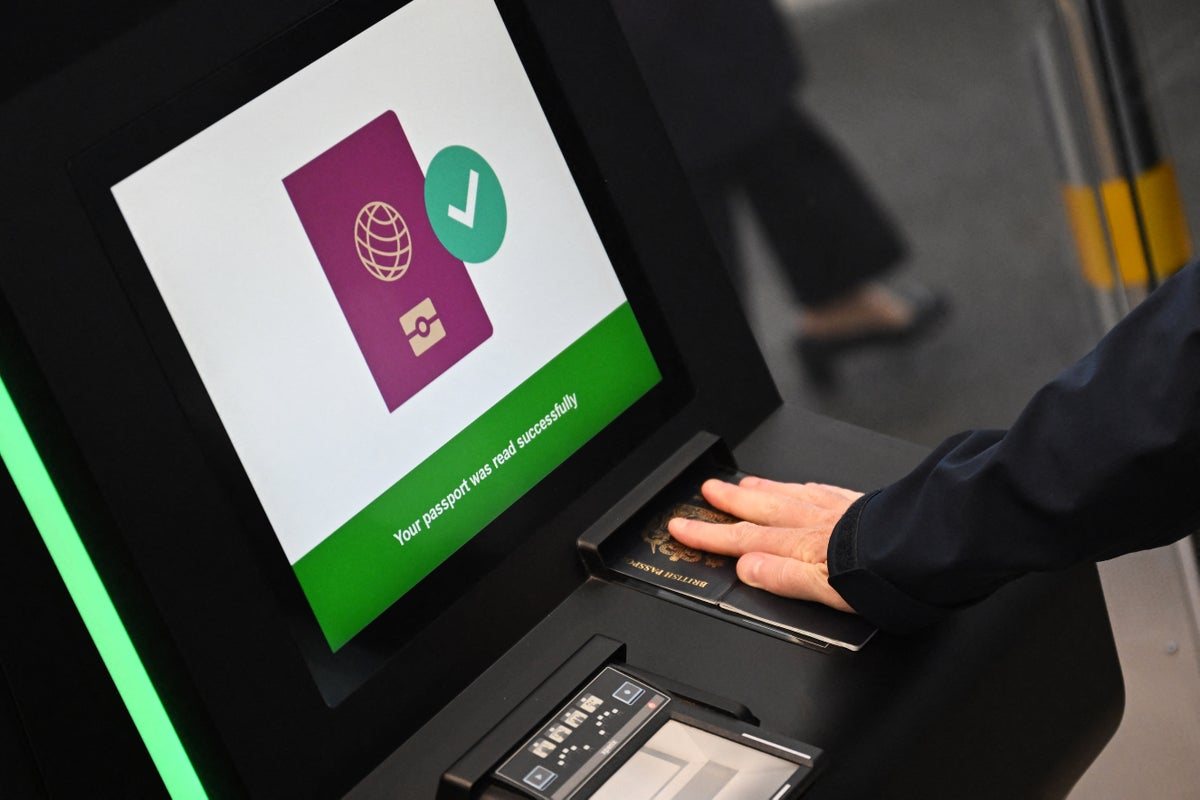
Nine European Union countries have agreed to delay the enforcement of new post-Brexit border checks on travellers arriving from the United Kingdom, following a wave of disruption at airports across the bloc. The decision means the fresh controls, which were due to apply to British citizens entering the Schengen area, will not be imposed until the relevant technology and systems are confirmed to be working correctly.
The delays mark a significant climbdown for Brussels, which had pressed ahead with the rollout of the Entry/Exit System despite warnings from airlines, airport operators and member states that the infrastructure was not ready. The new regime is designed to register the biometric data of non-EU travellers, including fingerprints and facial images, at the point of first entry into the Schengen zone. Its introduction has been repeatedly postponed since the UK formally left the European Union.
Airport chaos in recent weeks exposed the practical difficulties of implementing the system at scale. Long queues, technical failures and confusion among passengers were reported at several major hubs, prompting national authorities to reassess their readiness. The nine countries that have now stepped back from immediate enforcement said they would wait until the technology and operational procedures were functioning properly before applying the checks.
The move affects British holidaymakers, business travellers and other UK nationals who have faced uncertainty over what the new border regime would mean for their journeys to Europe. For the travel industry, the delay offers temporary relief after a period of intense pressure on staffing and infrastructure. Airlines and airports had argued that imposing the checks before systems were fully tested risked further disruption during peak travel periods.
The European Commission has not issued a single unified statement confirming a bloc-wide pause, leaving each member state to decide its own timetable. That patchwork approach has created a confusing picture for travellers, who may encounter different procedures depending on their point of entry. Some countries are expected to begin partial testing, while others will hold off entirely until a later date.
The delays also raise questions about the long-term coordination of the Schengen border strategy. The Entry/Exit System is intended to strengthen security and track overstays, but its implementation has been dogged by technical and logistical problems. Critics argue that the rollout was rushed and that insufficient attention was paid to the capacity of airports to process the additional data without causing delays.
For the UK government, the development is likely to be welcomed quietly, as it reduces the immediate risk of chaotic scenes at European gateways popular with British travellers. However, officials in London have consistently said that UK citizens should be prepared for the new requirements once they are fully in force. The delay does not change the underlying obligation for British travellers to comply with Schengen rules, including the 90-day limit on stays within any 180-day period.
The nine countries involved have not all been formally named in a single list, but the decision reflects a broader recognition that the original timetable was unrealistic. The focus now shifts to upgrading airport infrastructure, training border staff and ensuring that the biometric systems can handle high volumes of passengers without failure. Until those conditions are met, the checks will remain on hold.
The postponement is the latest chapter in the complex post-Brexit relationship between the UK and the EU. While trade and travel arrangements have largely settled into a new pattern, border management remains a sensitive issue on both sides. The delay is likely to be seen as a pragmatic response to operational reality rather than a political concession, but it underscores the difficulties of translating policy into practice at busy international gateways.