NATO Summit in Ankara Opens with Major Defense Investments and Calls for Burden-Sharing
The NATO summit in Ankara began with announcements of multibillion-dollar defense investments, including a $2.81 billion transatlantic industrial cooperation initiative and a $40 billion drone program. Secretary General Mark Rutte urged Europe to rebalance the U.S. burden, while President Trump arrived for bilateral talks with Turkish, Ukrainian, and Syrian leaders.
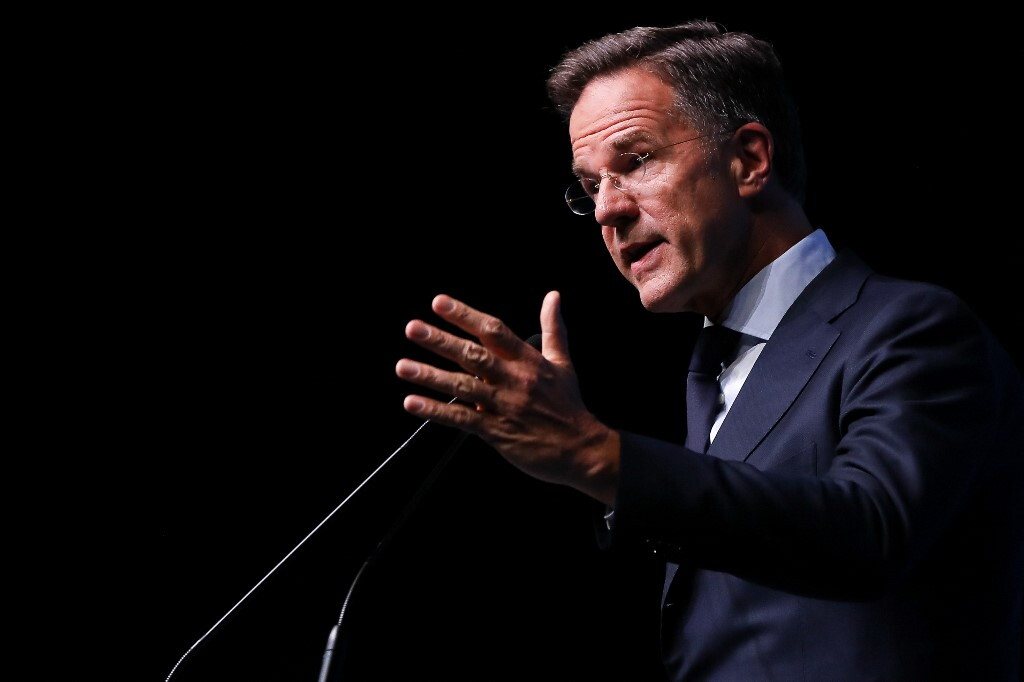
The NATO summit opened in Ankara on Tuesday with a strong focus on strengthening the alliance's defense industry, as Secretary General Mark Rutte announced new multinational programs and investments worth tens of billions of dollars. Speaking at the Defense Industry Forum, Rutte declared that allies and companies from both sides of the Atlantic would present new projects and sign contracts worth «literally billions of dollars» aimed at boosting security, stimulating economies, and supporting hundreds of thousands of new jobs.
Rutte emphasized the need for Europe to rebalance the weight of the United States within the alliance, a message that resonated as U.S. President Donald Trump arrived in Ankara for the summit. Trump is scheduled to hold a series of bilateral meetings, including talks with Turkish President Recep Tayyip Erdogan, Ukrainian President Volodymyr Zelensky, and Syrian President Ahmed al-Sharaa. Zelensky has identified new air defense systems, missiles, production licenses, and drone agreements as priorities for Kyiv.
Among the key announcements was a $2.81 billion transatlantic industrial cooperation initiative involving 17 NATO allies, including Italy. Rutte also unveiled the NATO Drone Edge Initiative, a program that will invest over $40 billion over the next five years to enhance the alliance's counter-drone capabilities. The plan includes acquiring new systems, creating a common market for counter-drone equipment, signing new contracts for surveillance drones, and quintupling the number of trained drone operators by the end of 2027.
Rutte highlighted that last year alone, $37 billion was invested in expanding the defense industrial base, leading to larger factories, new production lines, and greater manufacturing capacity. According to NATO projections, the alliance will be capable of producing approximately 4 million artillery shells per year by next year, nearly double the output of the previous year.
Using a football analogy, Rutte stressed the importance of unity, noting that no team wins because of a single exceptional player. «We need a goalkeeper, defenders, midfielders, and yes, everyone notices the player who scores the winning goal, but behind every winning player and team on the field, there are many others on the bench and behind the scenes: coaches, athletic trainers, analysts, people who make sure everything works. Everyone counts, no one wins alone,» he said.
Other announcements included the upcoming delivery of the tenth Airbus A330 MRTT to NATO's multinational tanker fleet, which will gradually increase to twelve aircraft. A new multinational project dedicated to the Airbus A400M will also begin, aimed at strengthening the alliance's strategic transport capabilities. Rutte described both initiatives as examples of industrial cooperation between Europe, NATO, the European Union, and U.S. partners, helping to maintain the alliance's air power superiority for decades to come.
NATO is also strengthening its intelligence, surveillance, and reconnaissance capabilities with the acquisition of up to five high-altitude, long-endurance Triton drones produced by Northrop Grumman. These aircraft will be used for maritime surveillance missions, monitoring vast areas, protecting sea lines of communication, and reinforcing the alliance's presence in the High North.
Zelensky noted that the war between Russia and Ukraine has moved to the skies, with cross-attacks intensifying. The Ukrainian leader is expected to press for more advanced air defense systems and long-range strike capabilities during his bilateral meetings on the sidelines of the summit.
The summit is taking place against the backdrop of ongoing tensions between Russia and NATO, as well as internal debates over defense spending. Rutte called on allies to present clear, concrete, and credible plans to reach the 5% defense investment goal set last year, underscoring the need for sustained commitment to collective security.