
Millions of Iranians Gather in Tehran for Funeral of Ali Khamenei After US-Israeli Strikes
Millions of Iranians flooded central Tehran for the first day of national funeral ceremonies for Ali Khamenei, who was killed in US-Israeli strikes, with chants of revenge and displays of national unity.
Millions of Iranians have poured into the streets of central Tehran for the first day of national funeral ceremonies for Ali Khamenei, the country's supreme leader, who was killed in a series of coordinated airstrikes attributed to the United States and Israel. The massive turnout, described by state media as a demonstration of national unity, has transformed the capital into a sea of mourners waving flags and chanting slogans of vengeance.
According to official Iranian media reports, several million people participated in the funeral procession on Monday, filling major thoroughfares and squares around the city center. The state-run news agency IRNA described the gathering as one of the largest in Iran's modern history, with crowds stretching for kilometers along the route from Tehran University to Azadi Square. Many mourners carried portraits of Khamenei, while others held placards reading « Nous nous vengerons » — French for « We will take revenge » — a phrase that has become a rallying cry among the demonstrators.
The funeral marks the beginning of a multi-day period of national mourning, during which Khamenei's body will be transported to the holy city of Qom and later to his hometown of Mashhad for burial. The ceremonies are being broadcast live on state television, with religious leaders and senior military officials delivering eulogies that emphasize resistance against foreign aggression. The Iranian government has declared three days of public mourning and called for a united front in the face of what it terms « Zionist-American terrorism ».
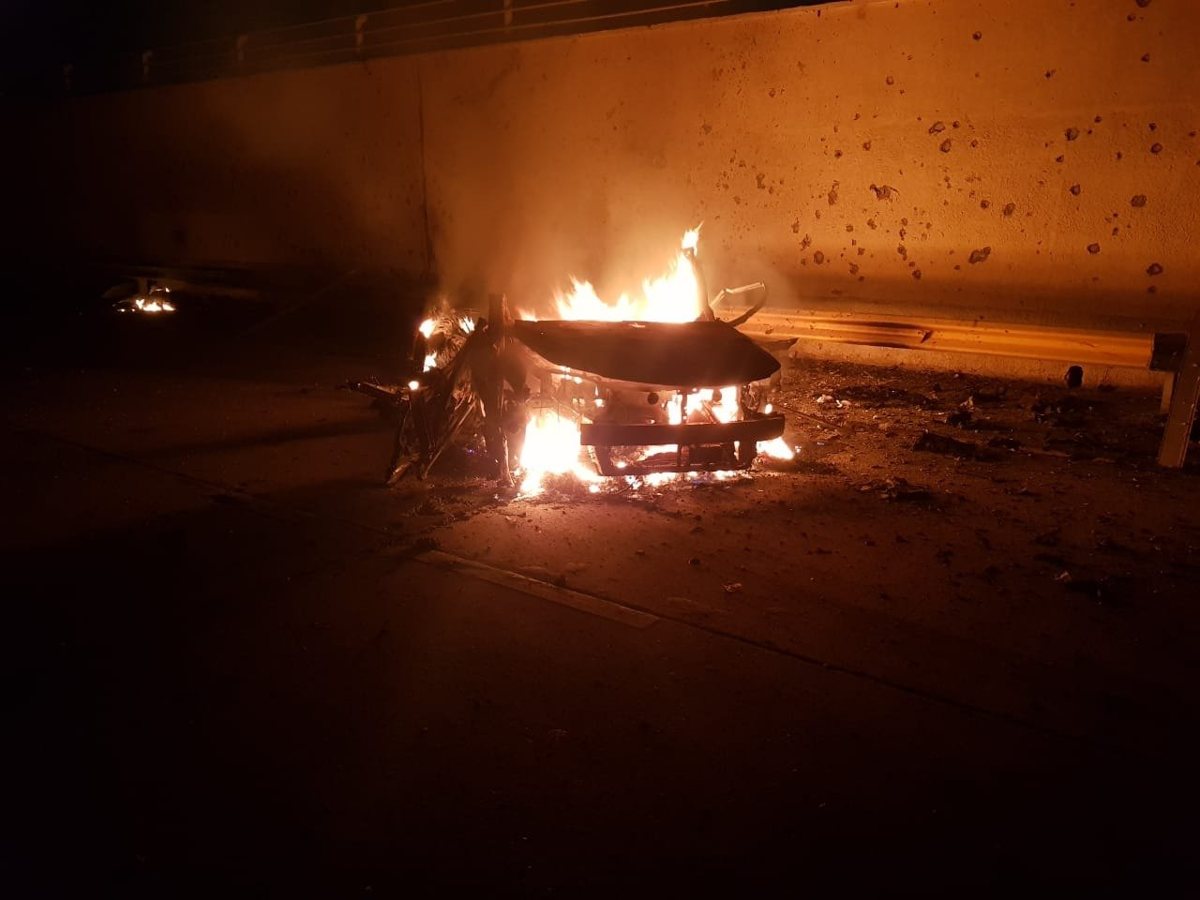
Khamenei, who had led Iran since 1989, was killed late last week when a series of precision airstrikes targeted a secure underground military facility near the city of Isfahan. The strikes, which also destroyed several nuclear research sites, were quickly claimed by both the Israeli Defense Forces and the United States Central Command. Washington and Tel Aviv have stated that the operation was aimed at crippling Iran's nuclear weapons program and dismantling its network of proxy militias across the Middle East. The attack has drawn widespread condemnation from Russia, China, and several other nations, while European Union leaders have called for restraint and de-escalation.
The death of Khamenei has plunged Iran into a period of profound uncertainty. As the country's highest political and religious authority for more than three decades, he wielded ultimate control over the armed forces, the judiciary, and key economic sectors. His successor has not yet been formally announced, though the Assembly of Experts — the body responsible for selecting the next supreme leader — has convened an emergency session. Analysts suggest that the transition could take weeks or even months, as competing factions within the regime jockey for influence.
In the immediate aftermath of the strikes, Iran's military has been placed on high alert, and the Islamic Revolutionary Guard Corps has launched retaliatory missile attacks against Israeli positions in the Golan Heights and US bases in Iraq. The exchanges have raised fears of a broader regional conflict, with the United Nations Security Council scheduled to hold an emergency meeting later this week. Meanwhile, oil prices have surged by more than 8 percent on international markets, reflecting concerns about potential disruptions to supply from the Strait of Hormuz.
For ordinary Iranians, the funeral has become a moment of both grief and defiance. Many of those attending the procession in Tehran expressed anger at the United States and Israel, but also a determination to preserve the legacy of Khamenei's rule. « He was our leader, our father, and we will not let his blood be shed in vain, » said one mourner, a 45-year-old teacher who traveled from the city of Shiraz. Others, however, voiced anxiety about what comes next. « We are afraid of war, but we are also afraid of losing our country, » said a 32-year-old shopkeeper who asked not to be named.
The international community is watching the situation closely. The United States has urged its citizens to leave Iran immediately and has deployed additional naval assets to the Persian Gulf. Israel has activated its missile defense systems and called up reserve units. Diplomatic efforts are underway, with Qatar and Oman reportedly mediating back-channel talks between Iranian and American officials. Yet the chants of « Death to America » and « Death to Israel » echoing through Tehran's streets suggest that any path to de-escalation will be fraught with difficulty.
As the funeral ceremonies continue, the world waits to see whether Iran's leadership will pursue a strategy of retaliation or seek to stabilize the country through a swift succession. For now, the millions of mourners in Tehran have sent a clear message: they are united in grief, and they are demanding revenge.