Netanyahu claims election win as Likud leads early Israeli count
Israeli Prime Minister Benjamin Netanyahu has claimed victory and called for a strong right-wing government, as early counts and revised polls point to his Likud party winning the most seats in parliament.
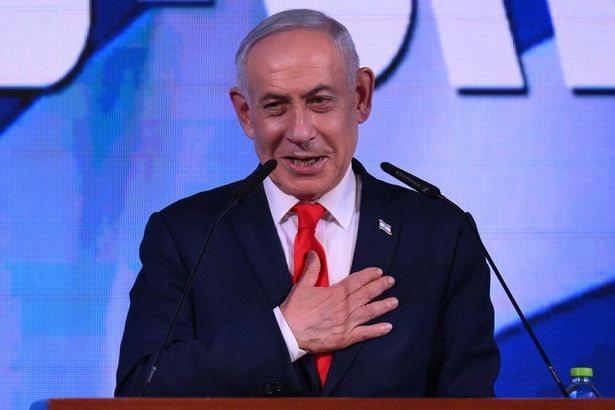
Israeli Prime Minister Benjamin Netanyahu has claimed election victory and called for a «strong, right-wing» government in a defiant speech delivered after the vote. Revised polls suggest his Likud party will emerge as the largest in parliament, with around 27 seats.
The claim came while the count was still underway. Exit polls had pointed to a tie between Netanyahu's bloc and the opposing bloc led by Gadi Eisenkot. Neither side was on track for the 61 seats needed to form a government in initial forecasts, and Netanyahu and Eisenkot were both short of a majority. The outcome will therefore depend on coalition negotiations rather than on a clear result at the ballot box, and talks are expected to dominate the coming weeks as parties on each side try to assemble a workable majority.
The early figures also showed a sharp rise in support for Palestinian parties, a shift that analysts expect to reshape the Knesset and redraw Israel's political landscape. The strength of these parties has become one of the most closely watched features of the count, because it changes the arithmetic facing both main blocs.
One apparent loser from the vote was far-right national security minister Itamar Ben-Gvir. His party, Otzma Yehudit (Jewish Power), had been expected to improve on its result of six seats from the 2022 elections. Instead, the watch party in central Israel fell silent as exit polls flashed across the screen, with most channels suggesting the party would remain on six seats. The reaction in the room underlined how far the party's expectations had diverged from the early numbers.
Netanyahu's speech was delivered against a wider backdrop of tension over the war with Iran. Commentary published around the vote argues that the conflict, which began in June of last year and was widened in February, has continued to weigh on fuel and consumer prices. That pressure is expected to shape the United States midterm elections, which fall next week. Commentators also suggest that Netanyahu pressed Washington to strike Iran this month, a push that Donald Trump reportedly declined, fearing it would damage Republican prospects at the polls.
Trump has also been drawn into the post-election narrative, with reports that he has sought to take credit for the outcome. The material supplied for this report does not include the exact wording of his remarks, so no direct quotation from him can be attributed here.
6