
Iran denies Trump claim that US-Iran talks were set for Monday
Tehran says it has no plans to receive or send a delegation after President Trump claimed talks were due on Monday, while state media reports the execution of two men on espionage charges linked to Israel.
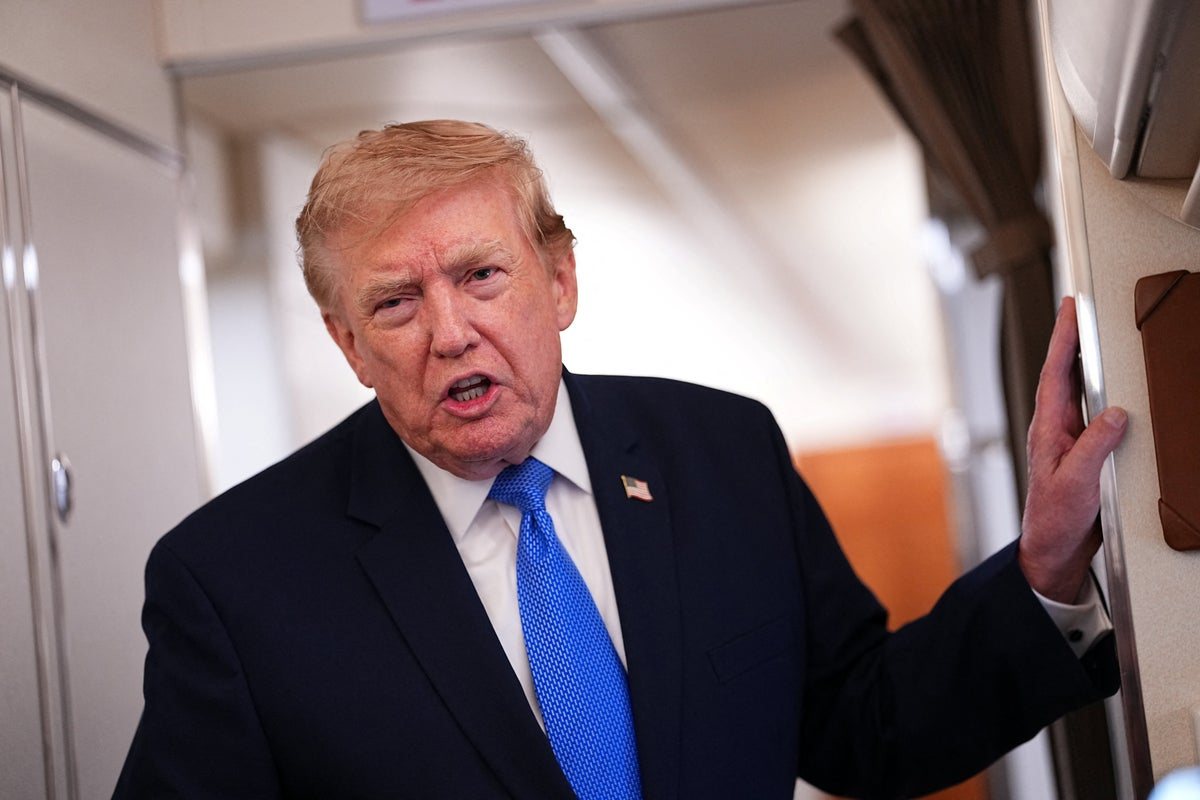
Iran has denied President Donald Trump’s claim that talks between Washington and Tehran were due to take place, with a government spokesperson saying there were no plans to receive or send a delegation. The denial came after Trump said negotiations were scheduled for Monday and described a potential deal as «imminent», leaving the state of diplomacy between the two countries deeply uncertain.
Trump said an agreement would include the reopening of the Strait of Hormuz and would address Iran’s nuclear programme. He also said he was «not looking to kill people» and described an American strike on Iran that had been halted as the «biggest attack since World War Two». His comments were intended to show both military resolve and openness to a negotiated settlement, but they were immediately contradicted by Tehran’s refusal to confirm any such meeting.
The Iranian spokesperson’s statement was firm: there are no plans for talks. That directly contradicts the US president’s assertion that talks were due to take place and raises fresh questions about whether the two governments have any reliable channel of communication. Trump has presented a potential meeting as part of an effort to avoid another war, but the denial from Tehran left the two sides publicly at odds over the most basic element of diplomacy.
The standoff has centred on the Strait of Hormuz, a strategically important waterway carrying a significant share of the world’s oil. The latest conflict began on 28 February, after a brief war last summer. Trump has argued that any settlement must guarantee free navigation through the strait and place limits on Iran’s nuclear activities.
In a separate development, Iranian state media reported on Monday that two men had been executed on charges of espionage and cooperation with Israel. The men, identified as Omid Behzad and Pouria Safvat, were accused of passing to Israel the coordinates of military and security sites, as well as images and other information. The judiciary’s Mizan news outlet said the alleged spying had taken place during the conflict that began on 28 February and during the brief war last summer.
The reported executions add a further dimension to a period already dominated by diplomatic confusion and military tension. Iran has treated espionage cases as matters of national security, and the announcement is likely to deepen the confrontation with Israel, which has been a central element of the wider regional crisis. The timing of the executions, on the same day as the dispute over talks, underscored the volatile environment in which any potential negotiations could take place.
Trump has presented a possible agreement as a way to avoid another conflict. He acknowledged that a US strike on Iran had been halted and insisted that a negotiated outcome was still within reach. Whether Tehran shares that view was unclear after its denial of any planned meetings.