
British aid worker says Nepal authorities mistook him for floods survivor
Former councillor Alastair Chambers was mistaken for a flood survivor by Nepali authorities after returning to Kathmandu on a humanitarian aid flight, prompting him to clarify he had not been rescued.
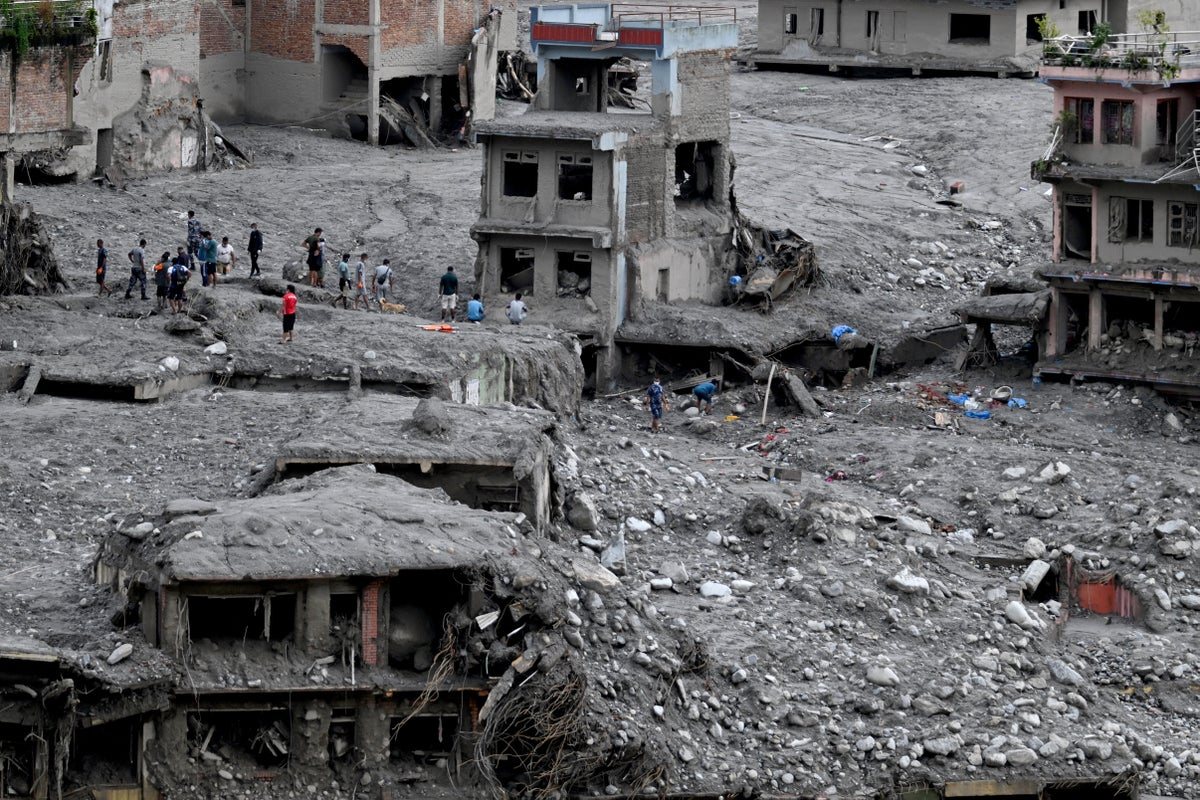
A British aid worker has described how Nepali authorities mistakenly treated him as a survivor of the recent flash floods when he returned to Kathmandu on a humanitarian flight. Alastair Chambers, 45, a former councillor, said the mix-up occurred after he had been volunteering in a remote village and flew back to the capital on an aid plane.
Chambers, who had been helping with relief efforts in areas affected by the flooding, said officials appeared to assume he was among those being evacuated from the disaster zone. He recalled having to correct them, telling the authorities: «Sorry, I haven’t been rescued.» The misunderstanding highlights the chaotic conditions surrounding the emergency response in Nepal, where severe flooding has displaced thousands of people and strained local resources.
The flash floods, triggered by heavy monsoon rains, have caused widespread destruction across parts of Nepal, with villages cut off and rescue teams struggling to reach isolated communities. Aid flights have been ferrying both supplies and evacuated residents, creating confusion at landing points as officials work to identify those in need of assistance.
Chambers, who previously served as a local councillor in Britain, had travelled to Nepal independently to support volunteer efforts in a remote area. His experience underscores the challenges faced by international volunteers operating in disaster zones, where communication between local authorities and foreign workers can break down under pressure.
The incident comes as Nepal continues to grapple with the aftermath of the floods, which have prompted appeals for international assistance. Humanitarian organisations have been coordinating with government agencies to deliver food, clean water, and medical supplies to affected regions, while also managing the movement of displaced families.
For Chambers, the mistaken identification was an awkward but ultimately minor episode in a larger relief operation. He has not commented further on his volunteering work, but his account offers a glimpse into the logistical complexities of disaster response in South Asia, where foreign aid workers often operate alongside local teams in demanding conditions.
The Nepali authorities have not publicly addressed the specific mix-up involving Chambers. However, officials have acknowledged the immense pressure on emergency services during the flooding, which has been described as one of the worst in recent years in terms of its impact on rural communities.
49