
At least 10 Cuban migrants killed in truck crash in southern Mexico
At least 10 Cuban migrants died and 17 others were injured when the truck they were traveling in overturned in southern Mexico on Sunday, according to Mexican authorities.
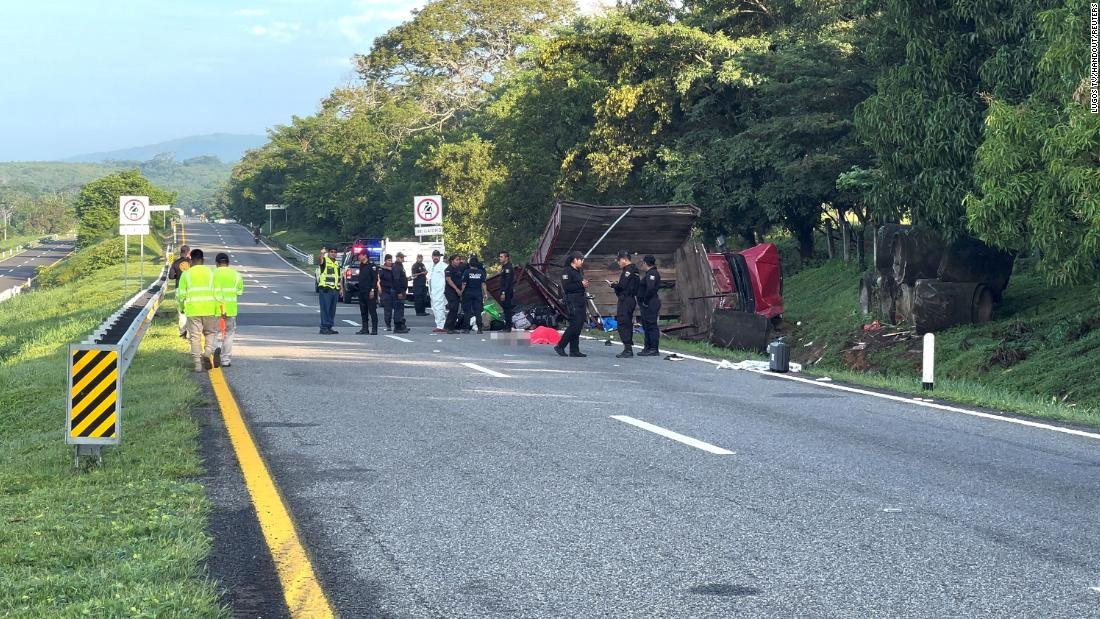
At least 10 Cuban migrants were killed and 17 others injured on Sunday when the truck they were traveling in overturned in southern Mexico, according to local authorities. The accident occurred on a highway in the state of Chiapas, a region that has become a key transit point for migrants heading north toward the United States.
Mexican officials reported that the vehicle, a cargo truck carrying a large group of migrants, lost control and flipped over, causing the fatalities and injuries. Emergency services responded to the scene, and the injured were transported to nearby hospitals for treatment. The exact circumstances leading to the crash remain under investigation, but preliminary reports suggest that the truck was overcrowded and traveling at high speed.
The incident highlights the perilous journeys undertaken by migrants from Cuba and other countries as they attempt to reach the U.S. border. Many migrants travel through Mexico in unsafe conditions, often hidden in trucks or buses, to avoid detection by immigration authorities. This tragedy adds to a growing list of accidents involving migrants in the region, underscoring the risks associated with irregular migration.
Chiapas, located in southern Mexico, is a common entry point for migrants from Central America and the Caribbean. The state has seen a surge in migration flows in recent years, driven by economic hardship, political instability, and violence in home countries. Cuban migrants, in particular, have been leaving the island in increasing numbers due to a severe economic crisis and limited opportunities.
The Cuban government has not yet issued an official statement regarding the accident, but the incident is likely to draw attention to the challenges faced by its citizens abroad. In recent years, Cuba has experienced a mass exodus, with hundreds of thousands of people leaving the country, many through irregular routes. The U.S. has also seen a rise in Cuban arrivals at its southern border, prompting policy changes and increased enforcement.
Mexican authorities have pledged to investigate the crash and hold those responsible accountable. Human trafficking networks often exploit migrants by offering unsafe transportation for a fee, and this accident may lead to renewed calls for stricter measures against such operations. The Mexican government has faced criticism for its handling of migration, with advocates arguing that more needs to be done to protect vulnerable individuals.
The injured migrants are receiving medical care, and their nationalities have been confirmed as Cuban by officials. The death toll could rise as some of the injured are in serious condition. This event is a stark reminder of the human cost of migration and the urgent need for comprehensive policies to address the root causes and ensure safe passage.
In the broader context, the accident occurs amid ongoing debates in the U.S. and Mexico about immigration reform and border security. The Biden administration has implemented various measures to manage migration flows, but the number of crossings remains high. Meanwhile, Mexico has stepped up enforcement in some areas, but the demand for smuggling services persists.
This tragedy is not an isolated incident. In recent years, similar accidents have claimed the lives of migrants from Central America, Africa, and Asia. For example, in December 2021, a truck carrying migrants crashed in Chiapas, killing 55 people and injuring dozens more. Such events have prompted international calls for action, but progress has been slow.
As the investigation continues, the focus remains on the victims and their families. The Cuban community in Mexico and abroad is mourning the loss, and support networks are mobilizing to assist the survivors. The incident serves as a somber reminder of the dangers that migrants face and the urgent need for humanitarian solutions.