Argentine footballers sparked a diplomatic and sporting controversy after displaying a banner proclaiming «Las Malvinas son argentinas» (The Falklands are Argentine) on the pitch following their World Cup semifinal victory over England on Wednesday. The gesture, led by players Nicolás Otamendi and Giovani Lo Celso, has drawn scrutiny from FIFA, which prohibits political demonstrations in tournament venues.
The banner was unfurled on the field at Atlanta’s stadium after the final whistle and placed on the turf by Lo Celso. The act immediately reignited tensions around the long-standing sovereignty dispute between Argentina and the United Kingdom over the Falkland Islands, known in Spanish as Las Malvinas. The islands, located in the South Atlantic, have been under British control since 1833, a claim Argentina has never recognized.
FIFA’s regulations explicitly ban any political, religious, or commercial messaging inside stadiums during its competitions. The world football governing body is now expected to review the incident and could impose sanctions on the Argentine Football Association (AFA), including fines or even a points deduction, though the latter is considered unlikely given the context of a World Cup semifinal.
Argentine President Javier Milei, known for his often provocative style, sought to temper the fallout. In a statement, he described the banner as a spontaneous expression of national sentiment by the players, not a coordinated political act. «It was a moment of joy and pride, not a political manifesto,» Milei said, urging calm and emphasizing that the government had no role in the gesture. His remarks appeared aimed at defusing potential diplomatic friction with the United Kingdom, a key trade partner and ally in various international forums.
The Falklands dispute has deep historical roots. Argentina claims sovereignty based on proximity and early 19th-century administration, while the United Kingdom bases its claim on continuous habitation and self-determination of the islanders. The conflict escalated into a brief but bloody war in 1982, when Argentina invaded the islands, leading to a British military campaign that reclaimed them after 74 days and resulted in the deaths of 649 Argentine and 255 British servicemen. Since then, relations have remained strained, though both sides have pursued economic cooperation, particularly in oil exploration and fishing rights.
The timing of the banner display—immediately after a high-stakes match against England—amplified its symbolic weight. Football has long been a vehicle for national identity in Argentina, and the Falklands issue resonates deeply with many citizens. However, the act has also drawn criticism from some quarters, including within Argentina, where commentators warned that mixing sport with politics could harm the country’s international standing and invite unnecessary sanctions.
FIFA has not yet issued a formal statement on the matter, but sources indicate that the organization’s disciplinary committee will likely open an investigation. Previous cases of political messaging in World Cup matches have resulted in fines for national federations. For example, in 2014, the Mexican federation was fined for fans chanting a homophobic slur, and in 2018, the Swiss federation was penalized for players making political gestures. The AFA could face a similar penalty, though the severity will depend on FIFA’s interpretation of the incident.
The Argentine squad, meanwhile, has remained focused on the tournament. The team advanced to the final after a hard-fought victory over England, and players have expressed pride in their performance. Coach Lionel Scaloni declined to comment directly on the banner, instead redirecting attention to the upcoming final. «We are here to play football and represent our country with honor,» he said. «The rest is secondary.»
President Milei’s measured response stands in contrast to his earlier rhetoric on the Falklands. During his 2023 election campaign, he called for renewed diplomatic efforts to assert Argentine sovereignty but stopped short of advocating military action. His administration has pursued a pragmatic approach, seeking to balance nationalist sentiment with economic and diplomatic realities. The banner incident now tests that balance, as Argentina navigates potential backlash from FIFA and the British government.
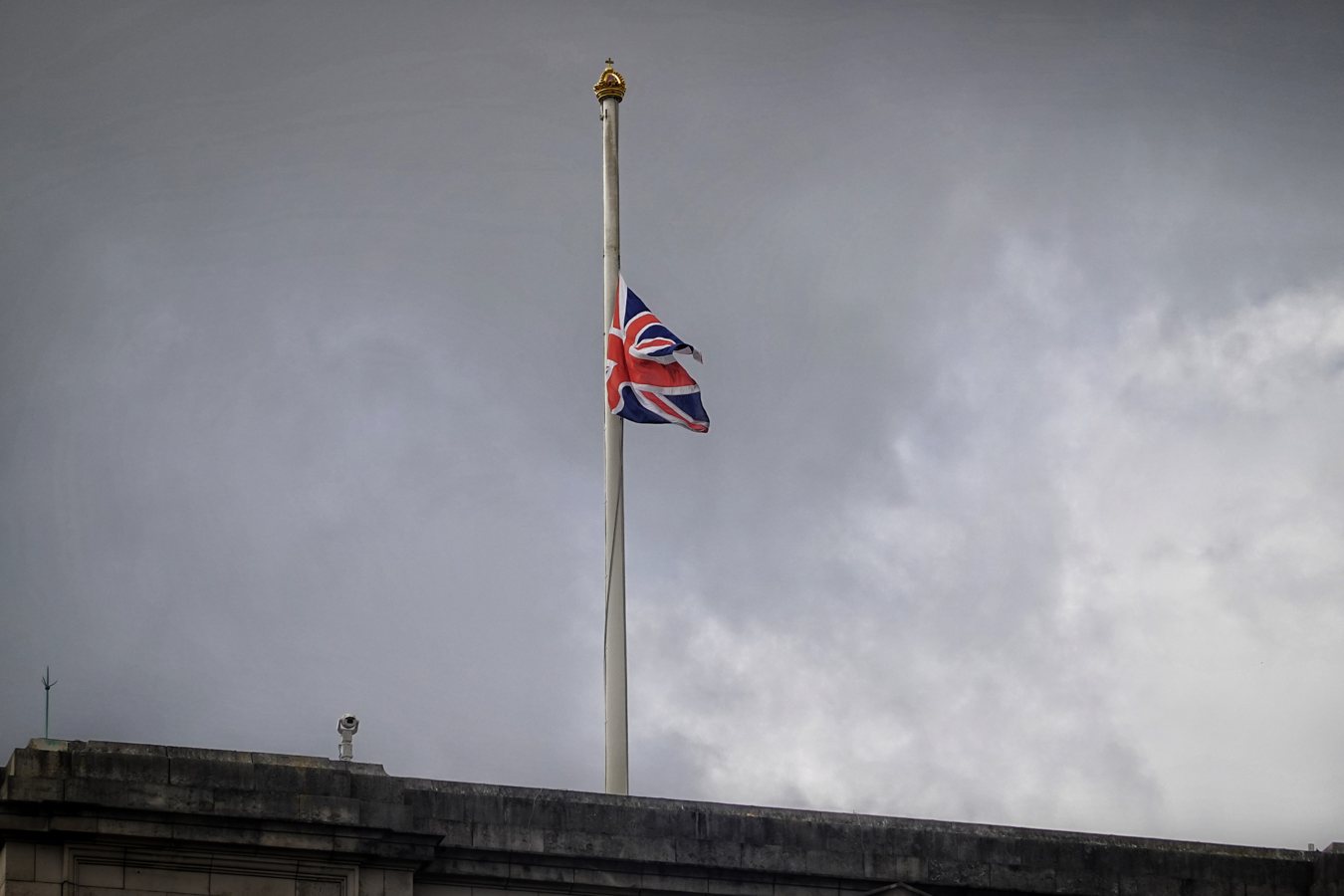
The United Kingdom has not officially responded to the banner display, but British media have highlighted the incident, framing it as a provocation. The Falkland Islands government, which enjoys significant autonomy, reiterated its position that the islanders’ right to self-determination must be respected. «The people of the Falklands have chosen to remain British, and that decision is not negotiable,» a spokesperson said.
As the World Cup continues, the football world watches to see how FIFA will handle the case. For Argentina, the immediate priority is the final, but the banner has ensured that the Falklands issue remains in the spotlight, blending sport, history, and geopolitics in a way that few other events can.