
Afghan man says Taliban officials are abusing boys dressed as girls in worsening practice
A man in Afghanistan says he was first raped at 14 and has since endured about 80 assaults, describing how boys are dressed as girls and abused by Taliban officials, with the situation reportedly worsening.
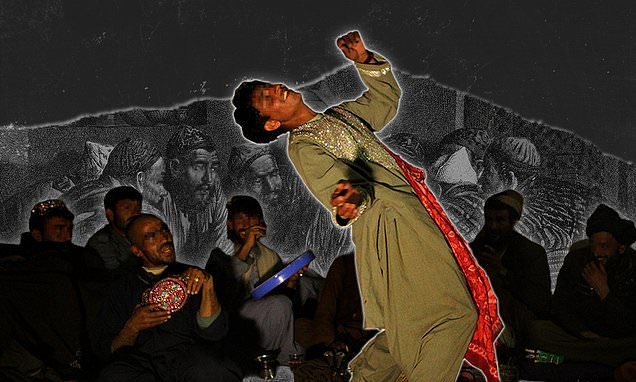
A man in Afghanistan has described enduring repeated sexual abuse at the hands of Taliban officials, saying the practice of dressing boys as girls to conceal abuse is becoming more widespread. Mustafa, whose name has been changed for his safety, said he was 14 when he was first raped by a group of men and has since suffered approximately 80 assaults. He told reporters that the abuse will only end when he dies, reflecting the grim reality faced by many boys in the country.
The practice, sometimes referred to as "dancing boys," involves young males being forced to dress in female clothing and perform for men in positions of power. Mustafa said Taliban officials are among those responsible for the abuse, and he warned that the situation is deteriorating. His account highlights the vulnerability of boys in Afghanistan, where poverty and instability leave many families unable to protect their children from exploitation.
Mustafa explained that the abuse is not isolated but part of a broader pattern that has continued and intensified under the current authorities. He described how boys are targeted, groomed, and subjected to violence, often with little recourse for justice. The perpetrators, he said, operate with impunity, and victims are frequently silenced by fear of retaliation or shame.
The account comes amid growing international concern about human rights in Afghanistan, particularly regarding the treatment of women and children. Since the Taliban returned to power, reports of abuses have multiplied, with many families struggling to survive and children increasingly at risk. Mustafa's story is one of many that human rights groups say illustrate the urgent need for global attention and action.
He said the abuse has left lasting scars, both physical and psychological, and that he has little hope of seeing justice in his lifetime. Despite the dangers, he chose to speak out in the hope that his testimony might draw attention to the suffering of others like him. "It will end when I die," he said, underscoring the despair felt by those who have endured such violence.
The situation in Afghanistan remains dire, with economic collapse and humanitarian crises compounding the risks faced by vulnerable populations. Boys like Mustafa are often caught between poverty at home and predatory individuals in positions of authority. Aid organisations have called for increased protection measures and for the international community to hold perpetrators accountable, but progress has been slow.
Mustafa's testimony adds to a growing body of evidence that the abuse of boys in Afghanistan is not a relic of the past but a present and worsening crisis. He urged the international community not to look away, saying that the victims deserve support and that the perpetrators must face consequences. His words serve as a stark reminder of the human cost of inaction.
65