Zelenskyy Rejects Trump Claim of Ukraine-Russia Energy Ceasefire
Ukraine's president says an energy ceasefire announced by Donald Trump was 'news to me', but Kyiv would support the deal if Moscow does, as London urges the UK to bring Washington and Kyiv back together.
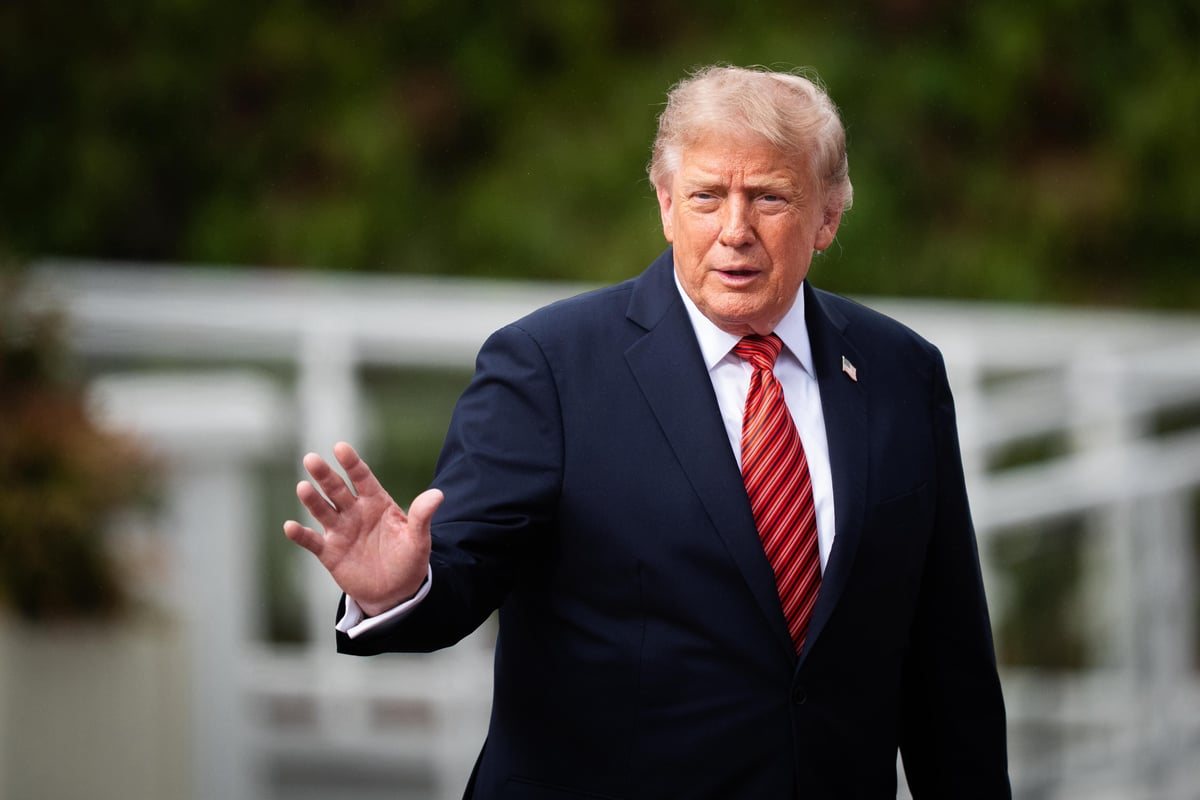
Volodymyr Zelenskyy has rejected Donald Trump's claim that Ukraine and Russia have agreed to an energy ceasefire, saying the announcement came as «news to me» and that he is still waiting for details from Washington. The Ukrainian president said Kyiv would accept such a deal only if Moscow did the same, leaving the US president's social media declaration without confirmation from either of the two parties it named.
Writing on X shortly after his initial reaction, Zelenskyy said he had discussed an energy ceasefire with the leaders of Canada, Finland and Nato. «Ukraine supports the ceasefire, and it's important for Russia to support it as well,» he said. «We are awaiting details from the American side. From our Ukrainian side, there is always FULL support for de-escalation steps, protection of lives, and the necessary decisions to end the war and ensure lasting peace.»
The exchange marks an unusually public divergence between Kyiv and Washington at a moment when the US president has been pressing for a rapid end to the war. Trump posted the ceasefire announcement without providing any detail on its scope, timing or verification, and no Russian confirmation has been reported. The absence of specifics left the proposal closer to a statement of intent than a functioning arrangement, with Ukrainian officials making clear they would not treat it as settled until the terms are formally communicated.
The dispute has quickly widened into a broader diplomatic row. Trump has called for Zelenskyy to be replaced as president of Ukraine, saying it was «time for Ukraine to get a new president» after Zelenskyy criticised the United States for continuing to buy Russian fuel. That criticism touched on a sensitive point: Western purchases of Russian energy have long been cited by Kyiv as a source of revenue for Moscow's war effort, and the US president's response shifted the argument from energy policy to the question of Ukraine's leadership.
In London, the row has prompted calls for Britain to step in as a mediator. UK defence secretary Wes Streeting said the UK must bring the United States and Ukraine «back together» amid the diesel deal dispute, positioning Britain as a bridge between two allies whose public positions have diverged sharply. The intervention reflects concern in European capitals that a breakdown in US-Ukrainian communication would complicate any future negotiation and weaken the coordination that has underpinned Western support for Kyiv.
The energy ceasefire proposal, as described by Trump, would in principle halt strikes on energy infrastructure — a category that has been central to the war's impact on civilians. Repeated attacks on power generation and grid facilities have caused widespread outages across Ukraine and raised the cost of keeping homes heated through winter. A credible halt to such strikes would be among the most consequential de-escalation steps available, which is why Zelenskyy's response combined conditional support with a demand for clarity rather than outright rejection.
For now, the initiative remains unresolved. Ukraine has said it will back a ceasefire if Russia does, while awaiting the American details that would give the announcement operational meaning. Russia has not confirmed any agreement. The immediate effect of the episode has been to expose the fragility of the diplomatic channel between Washington and Kyiv, and to draw European allies into an effort to prevent the dispute from hardening into a lasting rupture.
2