
Green Leader Polanski Defends Party Democracy After Tough Week
Zack Polanski, leader of the Green Party of England and Wales, has called for unity and an internal debate on party democracy after a difficult week marked by a London by-election loss and a row over a 'Zionism is racism' motion. Senior London Greens have distanced themselves from the motion, while Polanski insists he will never tolerate antisemitism.
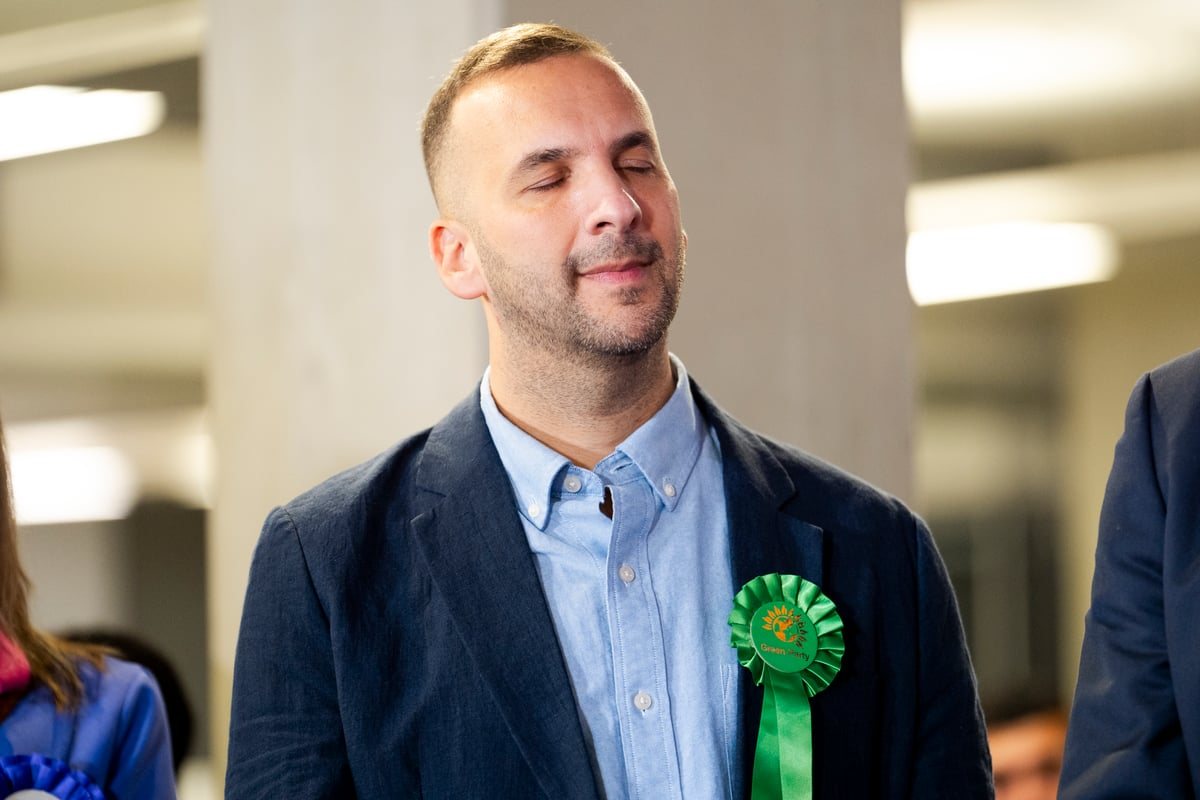
Zack Polanski, leader of the Green Party of England and Wales, has urged his party to unite and engage in a discussion about internal democracy following a week of setbacks that has exposed divisions within the Greens. In a statement, Polanski acknowledged the difficulties but insisted the party remains on a transformative path in British politics.
The troubles come after a disappointing by-election result in London and a continuing controversy over a motion passed by the party that declares «Zionism is racism». Senior Green figures in the capital have publicly distanced themselves from the motion, with some expressing anger at the leadership. The row has intensified scrutiny on Polanski, whose personal approval ratings have reportedly fallen to a new low.
Polanski, who became leader in 2025 after the tenure of Carla Denyer and Adrian Ramsay, said he would never tolerate antisemitism and called for a frank conversation about how the party makes decisions. He pointed to a series of electoral successes this year, including the party's first parliamentary by-election win and landslide victories in council and mayoral contests in areas that were once Labour strongholds, as evidence that the Greens are reshaping British politics.
Yet the by-election loss in London and the internal backlash over the Zionism motion have raised questions about the party's direction. According to reports, the policy could remain in place for up to two years, complicating efforts to present a unified front. The dispute has also highlighted tensions between the party's national leadership and its London representatives, some of whom have chosen to publicly separate themselves from the motion.
Polanski's allies argue that the party's recent electoral gains demonstrate that its bold policy platform resonates with voters frustrated by the political establishment. They say the internal debate should be seen as a sign of a healthy, democratic party rather than a crisis. Critics, however, warn that the controversy risks alienating moderate supporters and distracting from the Greens' core messages on climate, social justice and economic reform.
The Green Party has long positioned itself as a grassroots, member-led organisation, and the current row tests that model. Polanski's call for unity and a discussion on party democracy suggests he is seeking to contain the fallout while preserving the momentum from this year's victories. How the party resolves the dispute over the Zionism motion and addresses the concerns of its London wing will be closely watched as a measure of its maturity as a growing political force.
For now, Polanski remains defiant, framing the difficult week as a temporary hurdle in a broader project to transform British politics. Whether his party can move past the internal divisions and maintain its recent electoral surge will depend on its ability to balance ideological conviction with the practical demands of a national political movement.
1