Trump Announces Energy Ceasefire as Zelenskyy Says Deal Is 'News to Me'
US President Donald Trump announced an immediate energy ceasefire between Russia and Ukraine without consulting Kyiv, prompting Volodymyr Zelenskyy to say the deal was 'news to me' and to set conditions for any halt to long-range strikes.
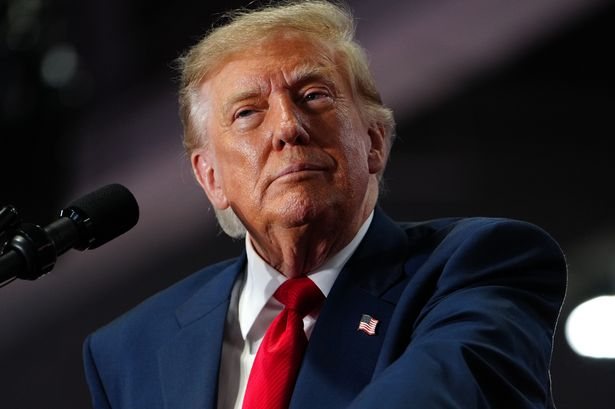
US President Donald Trump has announced an immediate energy ceasefire between Russia and Ukraine, claiming both sides had agreed to halt long-range strikes on energy infrastructure. The announcement, made in a social media post, appeared to take Kyiv by surprise, with Ukrainian President Volodymyr Zelenskyy saying the deal was «news to me».
In the post, Trump wrote: «Effective immediately, there is an ENERGY CEASEFIRE in the War between Russia and Ukraine. Both parties have agreed. Do not break it!» The statement gave no details on how the arrangement would be monitored or enforced, and there was no immediate confirmation from Moscow.
Zelenskyy responded by setting a clear condition: Ukraine would be willing to stop striking Russian oil refineries, but only if Russia first ends its attacks on Ukrainian energy infrastructure. His position reflects a long-standing Ukrainian demand for reciprocity in any partial truce, and it underscored the gap between Trump's announcement and the reality on the ground.
The Ukrainian president later described the US announcement as «good news for everyone», suggesting a cautious openness to the idea provided it is mutual. His earlier rejection of a US call for Kyiv to halt strikes on Russian oil refineries had been explicit: Moscow must stop hitting Ukrainian power facilities first.
The UK prime minister said Britain backs an energy ceasefire following the claims that Ukraine and Russia had agreed one. The endorsement from London adds diplomatic weight to the proposal, though it remains unclear whether Moscow has signed up to the terms as described by Washington.
Any optimism was quickly tested. A power plant in Kharkiv was struck at least twice and burst into flames just hours after Trump said Russia and Ukraine had agreed to the energy ceasefire. The attack, which caused significant damage, appeared to contradict the US president's assertion that both parties had committed to stopping such strikes.
The episode highlights the fragility of partial ceasefire efforts in a war where energy infrastructure has become a central battleground. Russia has repeatedly targeted Ukraine's power grid, while Kyiv has struck Russian oil refineries in an effort to disrupt Moscow's export revenues and military logistics. A halt to those long-range attacks would mark a significant shift, but only if both sides observe it.
Trump's announcement, made without prior consultation with Zelenskyy, also raises questions about the coordination between Washington and Kyiv. The Ukrainian leader's public surprise suggests that any deal will require direct engagement with Ukraine's leadership and clear verification mechanisms. Without those, the risk of a unilateral declaration unravelling remains high.
For now, the energy ceasefire exists primarily as a statement from the US president. Whether it holds will depend on actions taken by Russia and Ukraine in the coming hours and days. The strike on Kharkiv's power plant so soon after the announcement has already cast doubt on the durability of the arrangement, and Zelenskyy's conditional support means the deal is far from settled.
The development comes amid ongoing international efforts to reduce the war's impact on civilians and global energy markets. A genuine halt to attacks on energy infrastructure could lower risks to electricity supply and ease pressure on prices, but only if it is respected by both sides. As of now, that remains an open question.
8