
Police make more arrests on second day of Notting Hill Carnival
Police arrested more revellers on the second day of Notting Hill Carnival after detaining 243 people on Sunday, including 61 suspects identified through facial recognition cameras. Officers described the event as overwhelmingly positive despite the arrests.
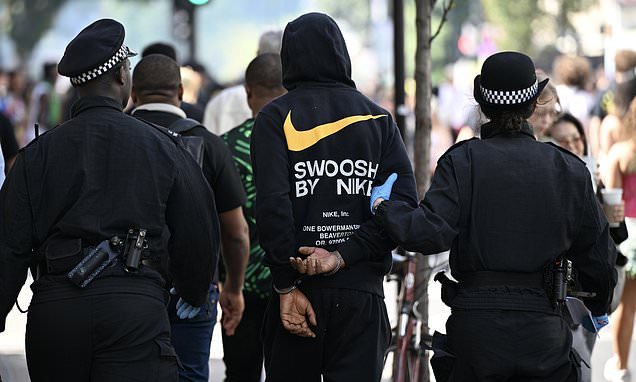
Police made further arrests on the second day of Notting Hill Carnival after detaining 243 people on Sunday, with 61 suspects identified through facial recognition cameras. The Metropolitan Police said the event remained overwhelmingly positive for the vast majority of revellers, despite the significant number of arrests made over the bank holiday weekend.
The second day of the carnival, traditionally known as family day, saw continued police activity as officers worked to maintain order among the large crowds gathered in west London. Sunday's arrests included a substantial number of individuals flagged by live facial recognition technology deployed at the event, a tactic that has drawn attention from civil liberties campaigners in previous years.
Police praised the overall atmosphere of the carnival, describing it as positive and celebratory for most attendees. The force acknowledged that while the arrest figures were high, they represented a small fraction of the hundreds of thousands of people who attended the two-day cultural event, which celebrates Caribbean heritage and has been a staple of London's summer calendar since the 1960s.
The carnival, which traces its roots to the Windrush generation and the Caribbean communities that settled in the capital, is one of the largest street festivals in Europe. Organisers and participants have long defended the event against criticism, pointing to its cultural significance and the economic boost it provides to local businesses and traders.
Commentators and community figures have pushed back against what they describe as exaggerated safety fears surrounding the carnival. Some have argued that social media narratives exaggerate the dangers of attending, while the event itself remains a vibrant celebration of music, food, and community identity. Vendors who have worked at the carnival for years describe it as a vital part of London's cultural fabric, offering a space where diverse communities come together.
The use of facial recognition technology at the event is likely to remain a point of debate. Privacy advocates have repeatedly raised concerns about the technology's accuracy and its implications for civil liberties, while police maintain that it is a valuable tool for identifying wanted individuals and preventing crime in crowded spaces.
Sunday's arrest figures included a range of offences, though police have not yet released a full breakdown of the charges. The force confirmed that additional arrests were made on Monday as the carnival drew to a close, though final numbers for the second day have not been published in full.
The Metropolitan Police has yet to issue a comprehensive statement on the total number of arrests across both days, but the early figures suggest that the carnival passed without any major public order incidents. Officers on the ground reported a generally cooperative crowd, with most attendees enjoying the music, parades, and food stalls that define the event.
As the carnival winds down, attention will now turn to the aftermath, including the processing of those arrested and the ongoing debate over the role of surveillance technology at large public gatherings. For now, organisers and police alike are describing the 2025 edition as a successful celebration of London's Caribbean communities, even as the arrest statistics invite closer scrutiny.
57