
Animal rights campaigners sue Met Police over wrongful Coronation arrests
Animal Rising is suing the Metropolitan Police over the arrest of its supporters before the King's Coronation, claiming they were unlawfully held and subjected to full-body searches.
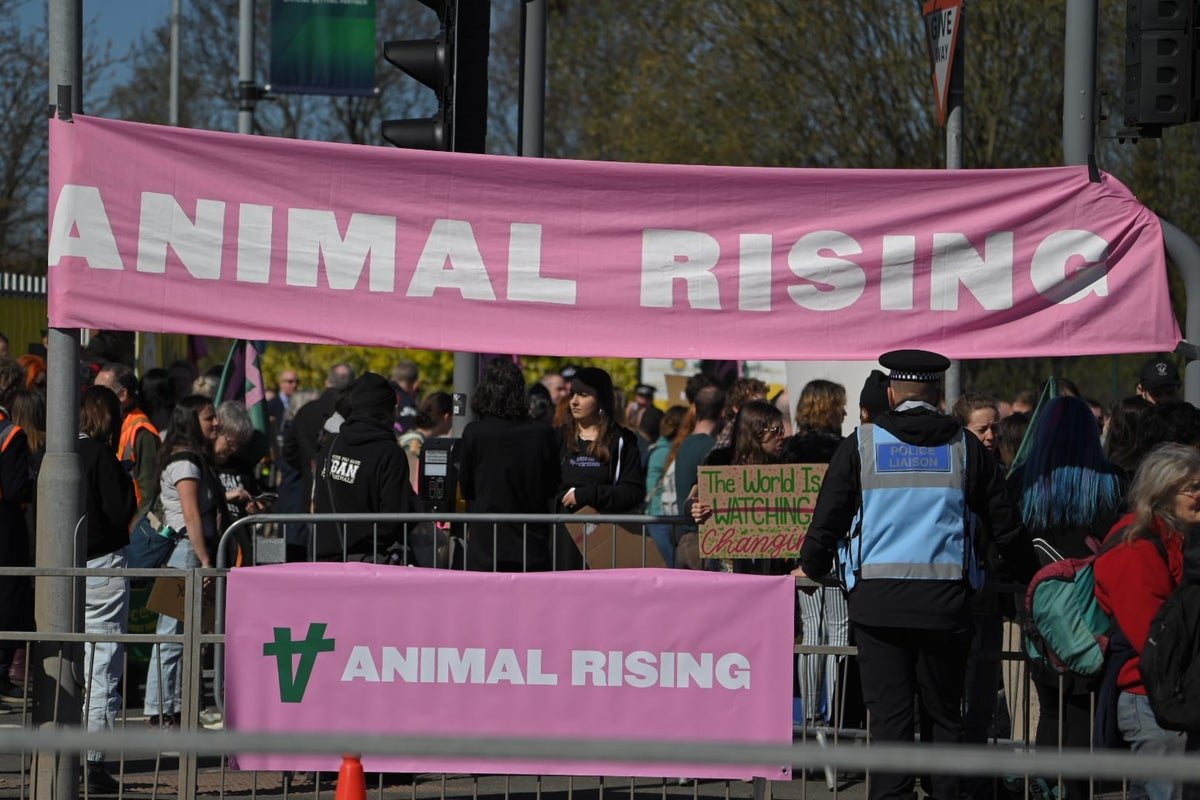
Animal rights campaigners have launched legal action against the Metropolitan Police over arrests made before the King's Coronation, claiming that their supporters were wrongfully detained. The group Animal Rising says the arrests, which were made on suspicion of conspiracy to cause a public nuisance, were unlawful and that those held were subjected to full-body searches and detention for up to 14 hours.
King Charles III was crowned at Westminster Abbey on 6 May 2023, in a ceremony that drew worldwide attention. In the days before the Coronation, police arrested a number of people as part of their efforts to prevent disruption to the event. Animal Rising said its supporters were among those detained and that they had not been involved in any unlawful activity.
The Coronation was a historic state occasion, combining traditional pageantry with a significant security operation. Central London saw a much larger police presence than usual, with officers positioned along the ceremonial route and around key landmarks. Policing extended well beyond the day itself, with arrests made in advance as officers sought to identify and prevent any threats to public order.
The group's legal claim challenges the use of pre-emptive arrests during the Coronation period. Being arrested on suspicion of conspiracy to cause a public nuisance allows the police to detain individuals before an incident has occurred, on the strength of an alleged plan to disrupt public order. Animal Rising maintains that the arrests went beyond what was necessary and that the treatment of its supporters was disproportionate.
According to the group, those arrested were searched and held for long periods in police custody. The campaigners say this amounted to wrongful arrest and a violation of their rights. The lawsuit will examine whether the police had sufficient grounds to detain the activists and whether the methods used were lawful.
The case has renewed debate about the policing of protest at major national events. While the police have a duty to ensure that large-scale ceremonies take place safely, campaigners argue that this must not come at the expense of civil liberties. The use of public nuisance conspiracy charges has already attracted criticism from legal observers and civil liberties organisations, who say the offence is drawn too broadly and can be used against peaceful protesters.
Animal Rising is known for its campaigns on animal welfare and environmental issues. The group has said that the legal action is intended to secure accountability for the treatment of its members and to clarify the limits of police powers in the run-up to such events. The outcome of the case could have implications for how the police handle protest activity during future state occasions.