
UN Finds US Strike on Iranian School That Killed 120 Children May Be a War Crime
A United Nations investigation has concluded that a US attack on an Iranian school which killed 120 children may constitute a war crime, while also accusing Iran of crimes against humanity during its crackdown on anti-government protests.
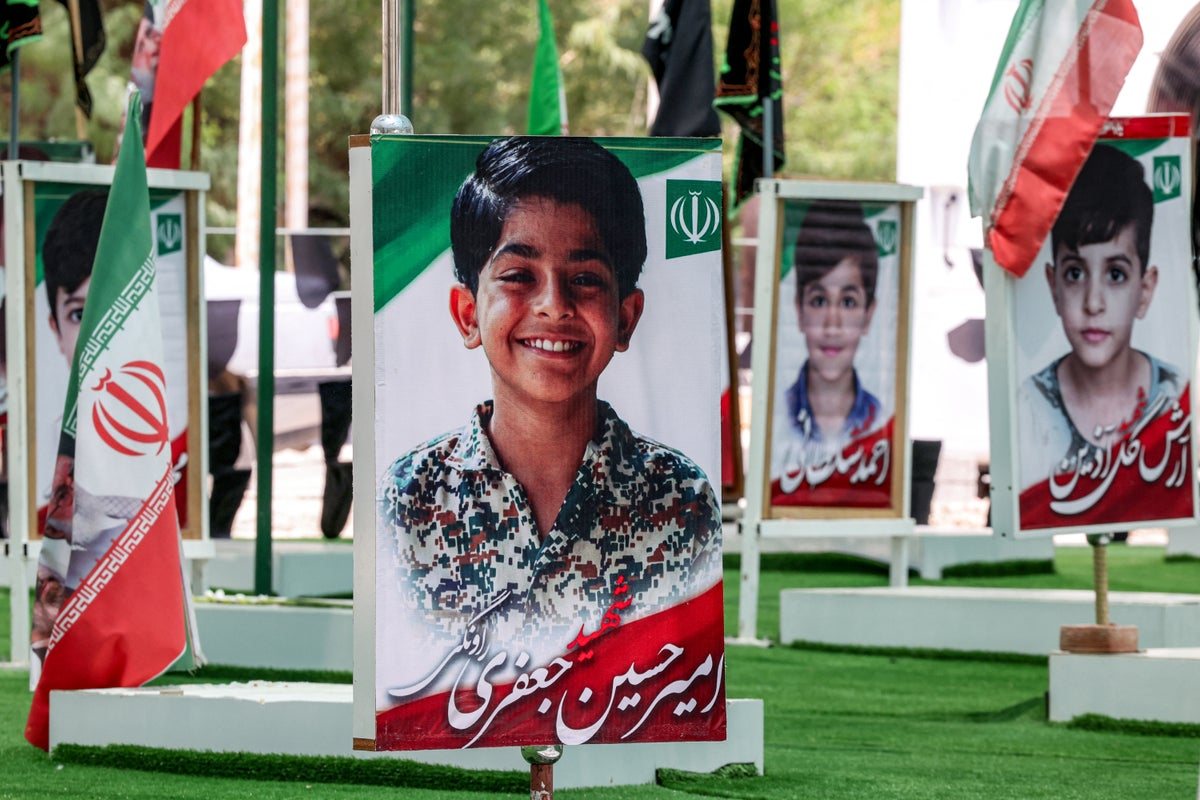
A United Nations investigation has found that a United States strike on an Iranian school that killed 120 children may amount to a war crime, according to a UN mission report that also accuses Iran of crimes against humanity during its crackdown on anti-government protests.
The findings place both Washington and Tehran under simultaneous scrutiny for alleged violations of international humanitarian law, in a conflict that has already drawn in regional actors and disrupted global energy routes through the Strait of Hormuz.
The UN mission's conclusion that the school attack may constitute a war crime represents one of the most serious legal assessments to emerge from the Iran-US war. Under international humanitarian law, deliberate attacks on educational facilities and civilian infrastructure can be prosecuted as war crimes, and the finding adds weight to calls for an independent accountability process.
The strike killed 120 children, a death toll that has become a focal point of international condemnation. The UN mission did not limit its findings to US actions: it also accused Iran of crimes against humanity in connection with its suppression of anti-government protests, a crackdown that has drawn repeated criticism from human rights organisations and Western governments.
The dual findings are significant because they signal that the UN investigation has not confined itself to one side of the conflict. By documenting alleged abuses by both the US and Iran, the mission has positioned itself as an impartial fact-finding body at a moment when diplomatic channels between the two countries remain largely frozen.
The war has also had direct consequences for global shipping and energy markets. The Strait of Hormuz, through which a substantial share of the world's oil and gas supplies passes, has been at the centre of military and strategic tensions, with strikes and counter-strikes raising fears about the security of commercial navigation in the region.
Legal experts note that UN findings of this kind do not automatically trigger prosecution, but they can be used by international courts, human rights bodies and national judicial authorities as a basis for further investigation. The assessment that the school attack may be a war crime is likely to intensify debate over accountability for civilian deaths in the conflict.
The report's conclusions about Iran's protest crackdown add a further dimension. The accusation of crimes against humanity is among the most severe categories in international law, typically applied to widespread or systematic attacks against a civilian population. The UN mission's language suggests it found evidence that met that threshold during the Iranian government's response to demonstrations.
For the UK and other European governments, the findings create a difficult diplomatic balancing act. London and its allies have criticised Iran's domestic repression while also maintaining that military action in the conflict must comply with international law. The UN assessment may increase pressure on British ministers to clarify their position on accountability for the school strike.
The wider regional picture remains volatile. The conflict has involved strikes across multiple fronts, and the humanitarian impact continues to be measured in civilian casualties and displacement. Aid agencies have warned that access to affected areas remains constrained, complicating efforts to verify casualty figures independently.
The UN mission's report is expected to feed into broader international discussions about how to document and pursue accountability for violations committed during the war. Whether it leads to formal legal proceedings will depend on the willingness of states and international institutions to act on its conclusions.
For now, the findings stand as a stark reminder that the human cost of the Iran-US war extends far beyond the battlefield, touching schools, streets and communities caught between two governments whose confrontation shows little sign of easing.