Pacific Islanders urge world to act on climate before COP31 in Antalya
Residents of Pacific islands, already on the front line of climate change, are calling on world leaders to take urgent action at the upcoming COP31 summit in Antalya, warning that inaction will bring catastrophic consequences.
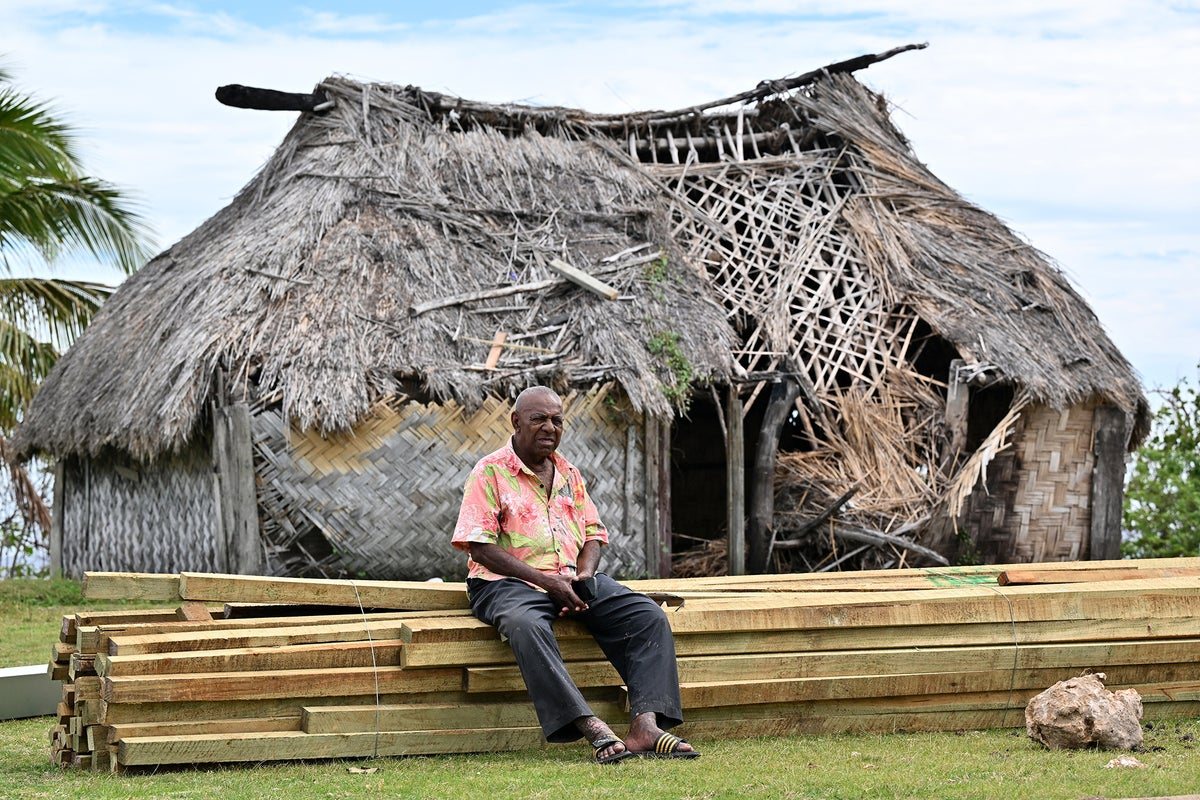
Pacific Islanders living on the front line of climate change are urging the world to take urgent action at the upcoming COP31 summit in Antalya, warning that failure to act will have catastrophic consequences for their homes and communities.
In Fiji, residents describe a reality in which rising seas, shifting weather patterns and extreme events are already reshaping daily life. For many islanders, the threat is no longer a distant forecast but a present danger that affects their land, their food security and their ability to remain where they were born.
The appeal comes ahead of the COP31 climate conference in Antalya, Turkey, where governments are expected to discuss emissions cuts and support for the countries most exposed to global warming. Local voices in the Pacific say the stakes for those nations are far higher than for many larger economies, which have contributed far more to the greenhouse gases driving the crisis.
Pacific island nations have historically emitted only a small share of global carbon pollution, yet they face some of the most severe impacts. Low-lying atolls are vulnerable to sea-level rise and saltwater intrusion into freshwater supplies, while cyclones and flooding have grown more damaging. Communities that have lived in the region for generations now face the prospect of relocation or the loss of culture tied to particular land and coastlines.
The concern in Fiji reflects a wider anxiety across the Pacific, where many communities depend closely on the ocean for fishing, transport and livelihoods. When seawater reaches gardens and wells, families lose the ability to grow food or drink safely, and the pressure to move inland or abroad grows. Islanders often stress that these losses are not only economic but also cultural, since ancestral burial grounds, village sites and traditional knowledge are tied to specific stretches of coastline.
Pacific voices have repeatedly argued that the region bears a disproportionate burden for a crisis it did little to create. Their demands centre on deeper cuts to emissions by major polluting nations, along with predictable and accessible finance for adaptation, disaster recovery and, where necessary, planned relocation. Many argue that promises made in earlier climate talks have not been matched by money reaching the communities that need it most.
Their message to negotiators is that time is running short. Islanders want the decisions taken in Antalya to be measured by concrete outcomes rather than statements of intent, because those decisions will shape whether Pacific communities can survive in their current form.
6