
Lambeth Palace Withdraws Award to Muslim Cleric Over Osama bin Laden Remarks
Lambeth Palace has withdrawn an award to a Muslim cleric after remarks he made about Osama bin Laden were reported without their proper context, according to his spokesperson.
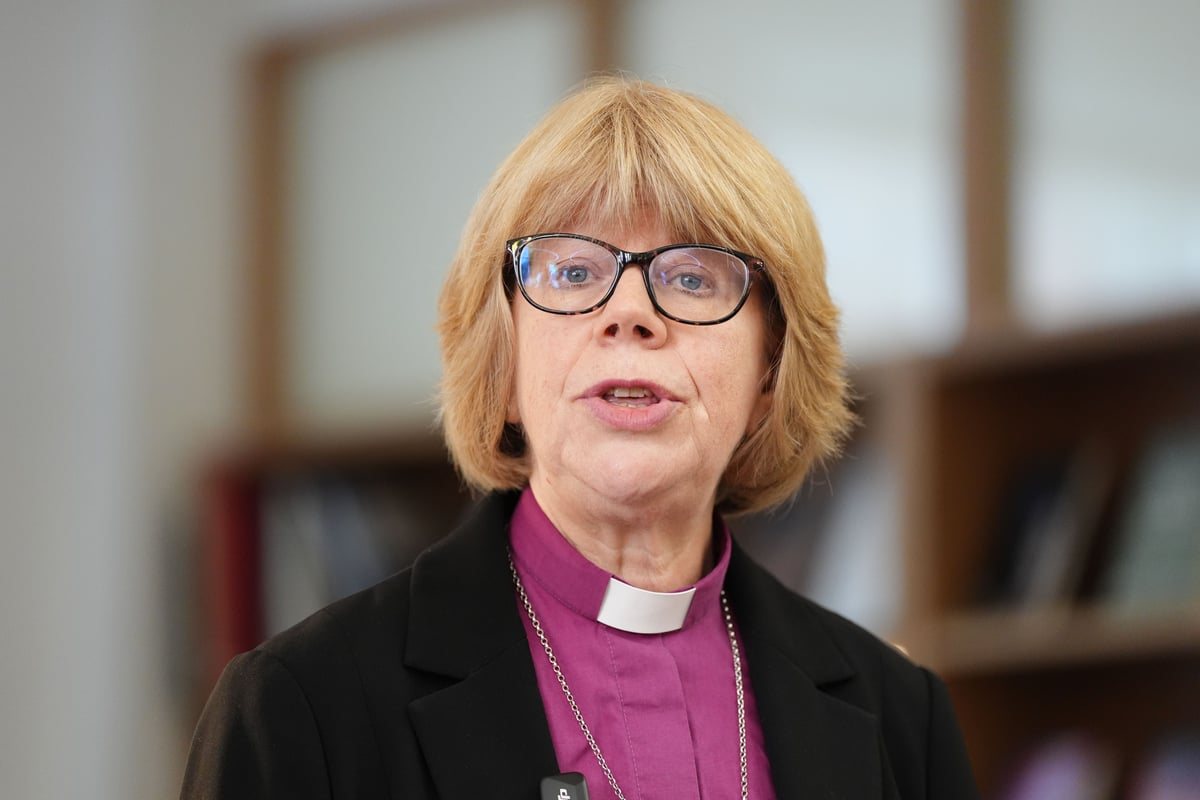
Lambeth Palace has withdrawn an award to a Muslim cleric following remarks he made about Osama bin Laden, in a decision that has drawn attention to the intersection of religious leadership, public statements and institutional accountability.
The cleric, identified as Mr Ashrafi, had been due to receive the award, but the palace reversed its decision after his comments about the former al-Qaeda leader were reported. A spokesperson for Mr Ashrafi said his remarks were being reported «without their proper context», suggesting that the full meaning of his words had been lost in the coverage that prompted the withdrawal.
The decision by Lambeth Palace, the London residence and administrative headquarters of the Archbishop of Canterbury, marks a significant moment for interfaith relations in the United Kingdom. The palace has historically played a role in recognising figures from different faith communities who contribute to public life and dialogue. Withdrawing an honour is an unusual step, and it signals the sensitivity of any association with figures who have commented on terrorism or extremist violence.
Osama bin Laden, the founder of al-Qaeda, was responsible for the September 11 attacks in the United States in 2001 and remained the subject of a global manhunt until he was killed in Pakistan in 2011. Any remarks that appear to reference him, even in a critical or analytical context, can quickly become politically charged, particularly when they are reported in isolation. The cleric’s spokesperson has argued that the reporting stripped the comments of the context needed to understand them properly.
The withdrawal of the award raises questions about how institutions respond to controversial statements by public figures, especially when those statements are amplified through media coverage. Lambeth Palace has not issued a detailed public explanation of its reasoning, but the move indicates that it judged the remarks to be incompatible with the values the award was intended to recognise. The palace has previously been involved in efforts to promote interfaith understanding and social cohesion, and its decision reflects the difficult balance between maintaining those relationships and responding to public concerns.
For Mr Ashrafi, the loss of the award is a reputational setback, but his spokesperson’s response suggests he intends to contest the way his words have been portrayed. The dispute highlights the broader challenge facing religious leaders who speak on sensitive geopolitical topics: their comments can be excerpted, shared and judged far beyond their original setting. In an era of rapid digital circulation, context is often the first casualty, and institutions may act on the basis of incomplete or decontextualised information.
The case also touches on the wider conversation about how Muslim clerics and community leaders in Britain are treated in public discourse. Concerns about Islamophobia and the fair representation of minority voices are frequently debated, and incidents such as this can feed into those discussions. At the same time, institutions like Lambeth Palace face pressure to distance themselves from any figure whose statements are seen as beyond the pale, particularly when those statements relate to terrorism.
It remains unclear whether Mr Ashrafi will seek to challenge the decision or whether Lambeth Palace will offer further clarification. The spokesperson’s statement indicates that the cleric’s team believes the reporting was incomplete, but no additional details about the remarks or the award have been released. The withdrawal stands as a reminder of how quickly a single reported comment can alter the relationship between a religious figure and a major institution.
The episode is likely to be watched closely by those involved in interfaith work, as well as by observers of how religious institutions navigate public controversy. It underscores the importance of context in public debate and the high stakes attached to any reference to figures associated with global terrorism. For now, the award has been withdrawn, and the cleric’s representatives are left to argue that the full story has yet to be told.