Ukraine launches massive overnight drone strikes on Russian oil facilities
Ukrainian long-range drones targeted oil production sites near Moscow and a missile manufacturer, resuming attacks on Russian energy infrastructure despite pressure from Washington.
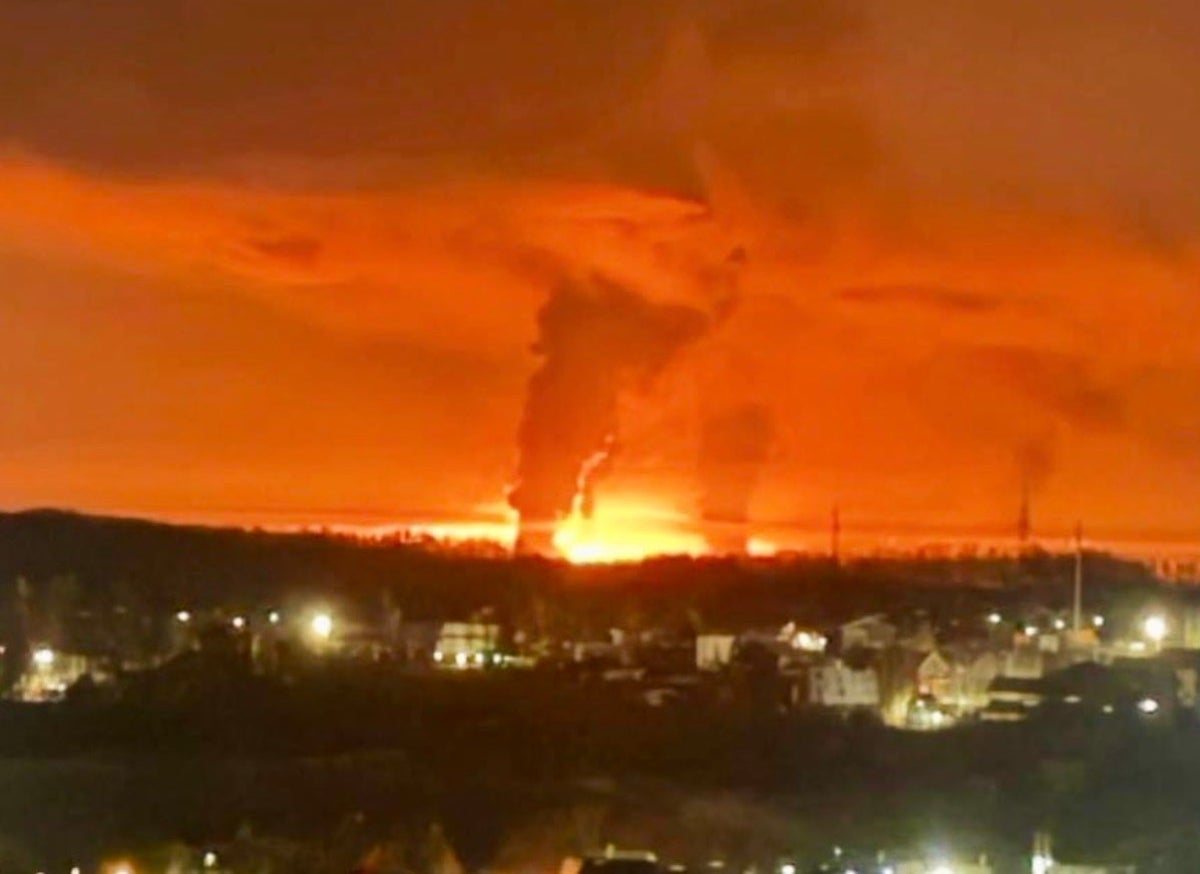
Ukraine has launched what Kyiv described as a massive overnight drone attack on Russian facilities, targeting oil production sites near Moscow and a missile manufacturer. The strikes mark a resumption of Ukrainian attacks on Russian energy infrastructure, carried out in defiance of pressure from US President Donald Trump ahead of the American midterm elections.
Russian state media said on Sunday that Ukrainian long-range drones had set fire to the Kstovo refinery in Nizhny Novgorod oblast overnight. The attack came soon after a major strike against another large refinery in Samara oblast, owned by the Russian state energy giant Rosneft. The Kremlin has said Kyiv is simply ignoring US wishes in continuing the campaign, a reading that places the Kremlin and Washington on the same side of a dispute over how far the strikes should go.
The Ukrainian side framed the operation as a campaign against the infrastructure that sustains the Russian war effort, naming the oil facilities and the missile plant among its targets. The Kstovo refinery sits in the Nizhny Novgorod region, a considerable distance from the front line, which underlines the reach of the long-range drones now being deployed. The Samara strike, carried out shortly before, suggests the operation was not a single isolated raid but part of a sequence of attacks on refining capacity.
The renewed campaign comes at a sensitive moment. A ceasefire in the occupied town of Oleshky was due to expire late on Sunday, and the resumption of refinery attacks has been read as a signal that Kyiv is not prepared to scale back its long-range campaign under external pressure. Washington has sought to limit strikes on energy targets, and Ukraine's decision to press ahead has placed additional strain on that diplomatic effort, just days before American voters go to the polls in the midterm elections.
Refinery strikes of this kind have a direct economic dimension. Damage to refining capacity can reduce the volume of fuel Russia is able to process and distribute, a consideration that matters both to the Russian domestic market and to the revenue Moscow earns from energy exports. The Samara refinery's ownership by Rosneft, a company central to the Russian state's energy operations, gives the strike additional weight in that wider picture.
Neither the scale of damage at the facilities nor the full extent of casualties has been independently confirmed in the reporting available so far. The primary account relies on Ukrainian claims of targeting, while the Russian reports focus on fires at the refineries. Further official statements from Moscow and Kyiv, along with any assessment from Washington of the effect on the wider ceasefire arrangements, are expected as the situation develops.
6